

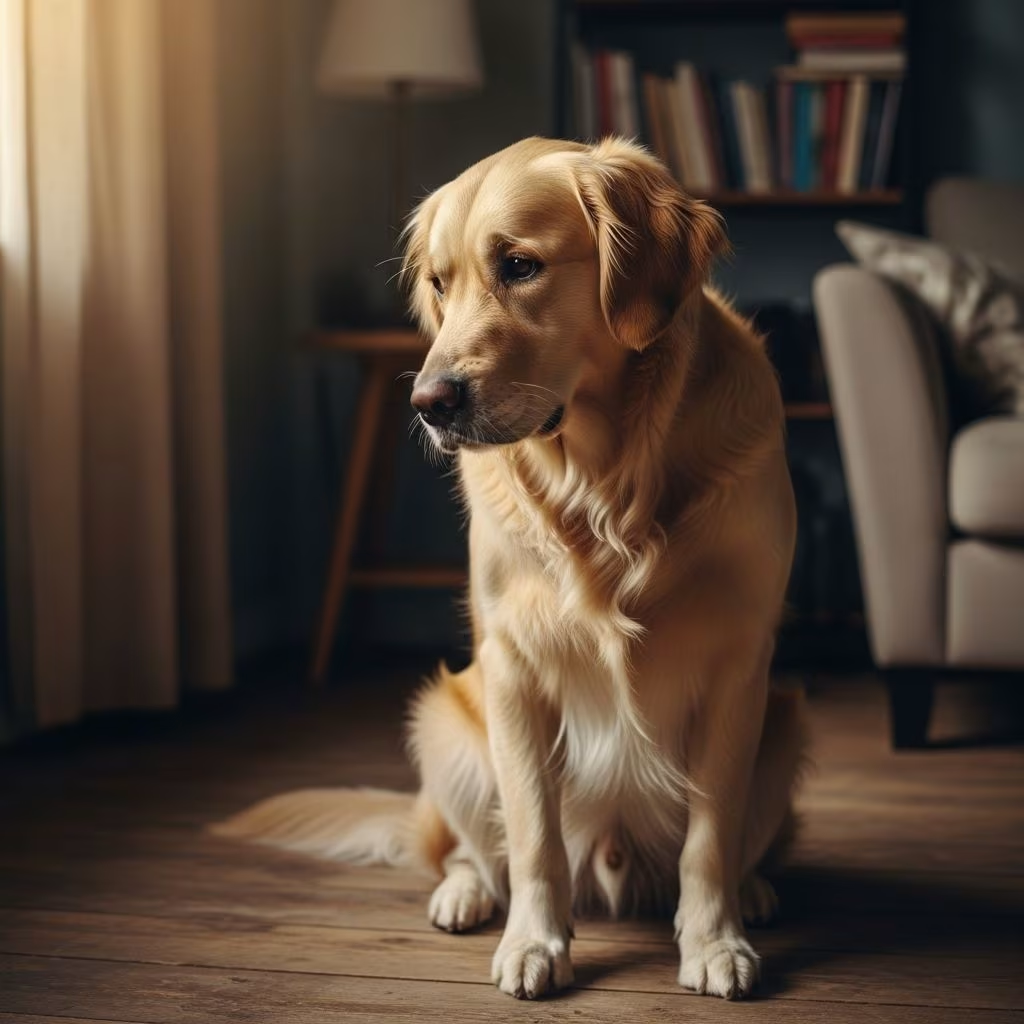
Dogs avoiding eye contact is a common behavior that often puzzles pet owners, but it stems from their instinctual communication rooted in canine social dynamics. Unlike humans, where eye contact signifies connection, dogs interpret prolonged staring as a potential threat or challenge, leading them to look away as a polite appeasement gesture.
Understanding Canine Body Language and Eye Contact
In the world of dogs, communication is primarily non-verbal, relying on body posture, tail position, ear placement, and gaze direction rather than spoken words. Direct eye contact in canine interactions is rare outside playful contexts and is frequently perceived as confrontational. Wolves, dogs’ ancestors, use averted gazes to signal deference to pack leaders, a trait inherited by domestic dogs who view their owners as pack alphas.
Averting eyes serves as a calming signal, diffusing tension and preventing escalation into aggression. This appeasement gesture indicates ‘I respect you and mean no harm,’ fostering peaceful coexistence within the pack. Pet owners mistaking this for shyness or disobedience overlook its role in maintaining harmony.
Instinctual Reasons: Submission and Respect
At the core of eye avoidance lies instinct. Dogs naturally submit to higher-ranking pack members by looking away, acknowledging authority without challenge. For your dog, avoiding your gaze affirms your leadership role, a compliment rather than rejection.
- Pack Hierarchy: Inherited from wolves, dogs defer to perceived leaders via gaze aversion.
- Appeasement Gesture: Head turning prevents conflict, signaling non-threat.
- Respect Indicator: Consistent avoidance toward owners shows trust in your dominance.
This behavior is especially evident in rescued or shy dogs acclimating to new environments, where initial distrust manifests as gaze avoidance until bonds form.
Stress, Anxiety, and Discomfort Signals
Not all eye avoidance signifies respect; it can indicate emotional distress. Anxious dogs look away when overwhelmed, using it as a self-soothing mechanism amid fear or stress. Environmental triggers like loud noises, unfamiliar people, or past trauma amplify this response.
Observe accompanying cues: tucked tail, flattened ears, lip licking, or yawning reinforce discomfort interpretations. Persistent avoidance with these signs warrants addressing underlying anxiety through environmental adjustments or professional help.
- Anxiety Response: Gaze aversion accompanies stress hormones release, avoiding perceived threats.
- Trauma Influence: Rescued dogs with abuse history view eye contact as aggressive prelude.
- Overstimulation: High-energy settings prompt looking away to de-escalate arousal.
Distraction and Independence
Dogs are curious explorers; a glance away often chases environmental stimuli like scents, sounds, or movements, not personal slight. Independent personalities may signal ‘leave me be’ via gaze diversion, requesting space during rest or focus.
This natural curiosity drives sniffing or scanning, prioritizing survival instincts over human interaction. Respecting these moments prevents frustration, strengthening voluntary engagement later.
Should You Train Eye Contact? Pros and Cons
While instinctual avoidance is normal, training optional eye contact enhances safety and bonding. Paradoxically, teaching ‘watch me’ reframes staring as rewarding via positive reinforcement, without forcing unnatural prolonged gazes.
| Pros of Training Eye Contact | Cons/Risks |
|---|---|
| Improves focus during walks/training | Forcing can increase fear/aggression |
| Strengthens human-dog bond | Not all dogs comfortable long-term |
| Enhances recall in distractions | Rescues may need gradual approach |
Balance training with respect for natural behaviors; never stare down unfamiliar dogs, as it provokes defensive reactions.
How to Encourage Positive Eye Contact Safely
Build comfort gradually using treats and praise. Start at a distance, rewarding voluntary glances toward your face.
- Hold treat near eyes; mark glance with ‘yes!’ or clicker, then reward.
- Add ‘look’ cue as glances increase.
- Practice varied positions/situations for generalization.
- Use positive reinforcement only; avoid punishment.
For reluctant dogs, prioritize trust-building via play, consistent routines, and stress reduction before eye training.
When to Seek Professional Help
Occasional avoidance is benign, but escalating with aggression, extreme fear, or isolation signals issues like trauma or health problems. Consult veterinarians or certified behaviorists if:
- Avoidance accompanies growling/snapping.
- Behavior worsens post-adoption.
- No improvement after weeks of positive efforts.
Professionals assess via observation, tailoring interventions like desensitization.
Frequently Asked Questions (FAQs)
Is it bad if my dog never makes eye contact?
No, it’s often a sign of respect or instinct. Only concern if paired with fear signals; otherwise, normal canine etiquette.
Why does my rescue dog avoid my eyes?
Rescues may associate eye contact with past threats. Patience, positive experiences rebuild trust.
Can I teach my dog to make eye contact?
Yes, via reward-based training like ‘watch me.’ Keep sessions short, fun, pressure-free.
What if a strange dog stares at me?
Staring signals discomfort/challenge; avert gaze, give space to avoid escalation.
Does eye avoidance mean my dog doesn’t love me?
Absolutely not—it’s communication, not affection lack. Tail wags, leaning show love.
Building a Stronger Bond Beyond Eye Contact
True connection transcends gazes: engage via play, walks, grooming. Read full body language for holistic understanding. Consistent, empathetic responses to signals deepen mutual trust, creating harmonious companionship.
Recognizing eye avoidance’s nuances empowers owners to respond appropriately, whether granting space or rewarding glances. This insight transforms perceived slights into appreciation of canine wisdom.
References
- Why Does My Dog AVOID Eye Contact? — YouTube (Top Rated Dog Training). Accessed 2026. https://www.youtube.com/watch?v=jcs3ocFxh2k
- Why Does my Dog Look Away from me? — CRT K9. Accessed 2026. https://crtk9.com/why-does-my-dog-look-away-from-me/
- Why Won’t My Dog Make Eye Contact With Me? — Vetstreet. Accessed 2026. https://www.vetstreet.com/our-pet-experts/why-wont-my-dog-look-me-in-the-eye
- Why You Shouldn’t Stare Down a Dog — American Kennel Club (AKC). 2023-10-12. https://www.akc.org/expert-advice/training/why-you-shouldnt-stare-down-a-dog/



