

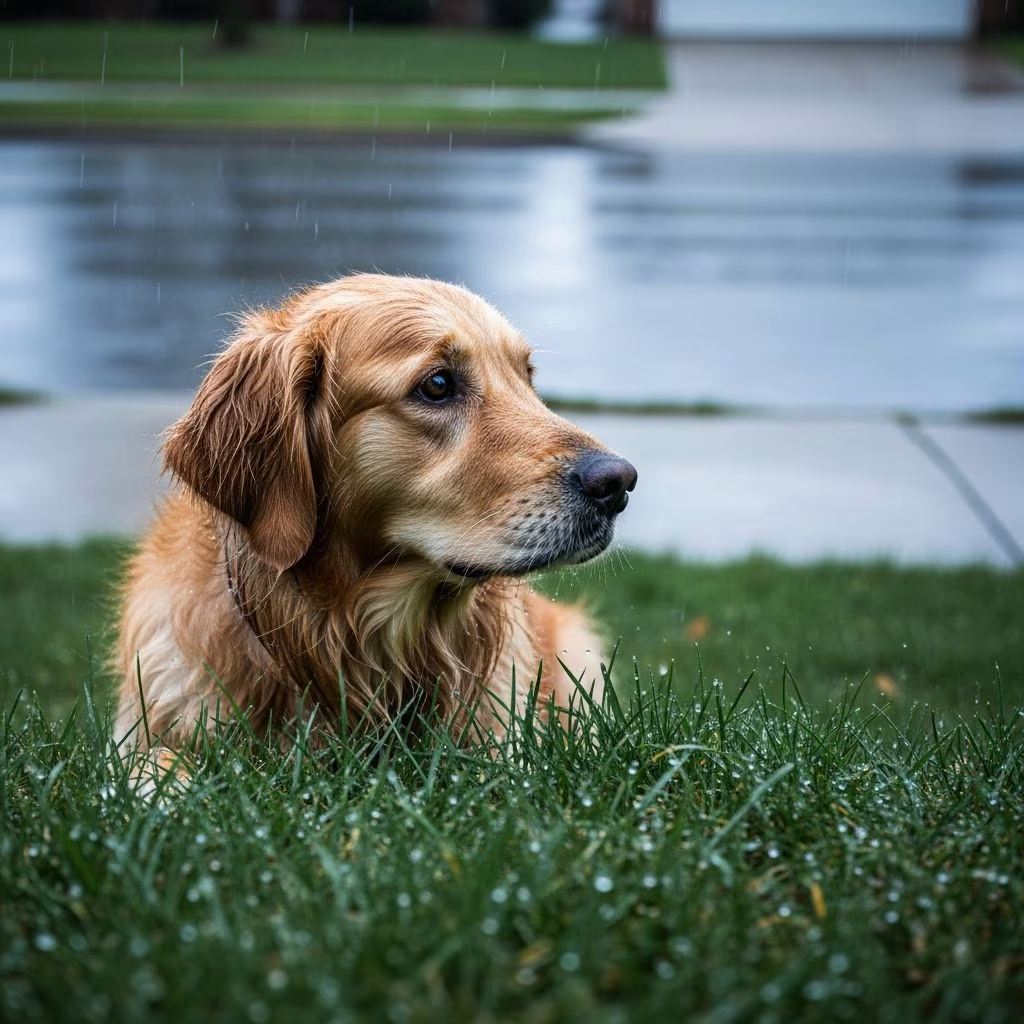
One of the most frustrating challenges dog owners face is convincing their pets to use the bathroom during rainy weather. While it might seem like a minor inconvenience, this behavior can lead to indoor accidents, missed exercise opportunities, and unnecessary stress for both pet and owner. Understanding the root causes of rain avoidance and implementing targeted solutions can significantly improve your dog’s comfort and your household’s hygiene.
The Primary Reasons Dogs Resist Rain-Time Potty Breaks
Dogs refuse to pee in the rain for several interconnected reasons that go beyond simple stubbornness. The sensory experience of rain presents multiple challenges that dogs find genuinely unpleasant. According to veterinary experts, dogs naturally dislike the feeling of water hitting their bodies, particularly their heads and faces. Unlike humans, dogs cannot use umbrellas or adjust their positioning to minimize water exposure, leaving them vulnerable to the full impact of precipitation.
The texture of wet ground plays another crucial role in this behavior. Walking on soggy, muddy earth feels uncomfortable underfoot, and the sensation of mud between their paw pads can be distressing for many canines. Some dogs have heightened sensitivity to these tactile experiences, making rainy conditions feel especially unpleasant. Additionally, younger dogs who lack exposure to various weather conditions during their critical socialization period may develop a lasting aversion to rain-based outdoor activities.
Age and developmental stage significantly influence a dog’s willingness to venture out in precipitation. Puppies raised in controlled indoor environments without regular exposure to wet conditions are more likely to develop negative associations with rain. Similarly, dogs that haven’t received consistent potty training may struggle even more when weather variables complicate the process.
Physical Discomfort and Environmental Factors
Beyond behavioral preferences, physical discomfort can substantially impact a dog’s bathroom habits during wet weather. Certain medical conditions make outdoor elimination particularly painful or urgent. Dogs suffering from urinary tract infections experience both discomfort and increased urgency that makes the journey outside feel daunting, especially in harsh weather. Gastrointestinal issues including diarrhea or constipation can transform bathroom breaks into anxiety-inducing events, particularly when combined with environmental stressors like rain.
Joint pain from arthritis or other mobility concerns makes navigating wet, slippery surfaces genuinely difficult for senior dogs. The prospect of losing their footing on muddy or rain-soaked ground can trigger anxiety and reluctance. Medical conditions such as diabetes or kidney disease that increase urination frequency may also heighten a dog’s stress about finding appropriate outdoor opportunities during inclement weather.
Environmental variables beyond rain itself can compound potty reluctance. Cold temperatures accompanying rainstorms add another layer of discomfort, while unfamiliar sounds associated with storms may trigger anxiety responses that override bathroom needs. Changes in yard layout, new landscaping, or the presence of neighborhood animals can create additional distractions that discourage dogs from focusing on elimination during already-challenging rainy conditions.
Immediate Strategies for Rainy Day Success
When rain arrives and your dog stubbornly refuses to cooperate, immediate intervention becomes essential. Never simply place your dog outside alone and expect them to handle the situation independently—this approach typically backfires by reinforcing negative associations with rain and outdoor bathroom breaks. Instead, actively participate in the process by accompanying your dog outside with an umbrella positioned to shield both of you.
Leashed walks prove significantly more effective than simply opening the back door and hoping for the best. Using a leash provides you with control while preventing your dog from retreating to the door after a few seconds. Many dogs will plant themselves firmly by the entrance with no intention of moving farther into wet conditions. A structured walk, even to nearby grass or designated potty spots, helps redirect their focus toward the task at hand.
Positive reinforcement during rainy potty breaks cannot be overstated. When your dog successfully eliminates during rain, deliver enthusiastic praise and high-value treats immediately. This reinforcement helps your dog understand that rainy conditions don’t prevent rewards for good behavior. Consistency matters tremendously—every successful rainy-day potty break should receive recognition and appreciation.
If your dog refuses to go after 20 to 30 minutes outside, maintain control by keeping them on leash or in a secure crate rather than allowing free house access. Return outside every 20 to 60 minutes for another attempt. This approach prevents your dog from learning that refusal to eliminate leads to comfortable indoor time, while also ensuring their bathroom needs eventually get met.
Protective Gear Solutions
Introducing weather-protective gear can substantially reduce your dog’s rain aversion. Properly fitted raincoats specifically designed for dogs offer significant advantages, particularly models that include hoods to protect the head and face—the areas dogs dislike getting wet most. A quality raincoat maintains your dog’s body temperature while reducing the unpleasant sensation of water penetrating their coat.
Dog booties present another option, though they require gradual acclimation. Many dogs initially resist wearing booties, so introductory training should begin during dry weather. Once your dog accepts wearing booties, the protection from mud between their paws can substantially increase comfort during rainy outings. Start with short indoor sessions to build acceptance before attempting to use them during actual bathroom breaks.
A simple umbrella held over your dog during outdoor bathroom breaks provides psychological comfort even if it offers limited actual weather protection. Some dogs respond positively to this visual barrier between themselves and the rain, perceiving it as shelter that makes the experience more manageable. Additionally, ensuring your dog’s coat dries thoroughly after rain exposure—whether through towel drying or a pet-safe blow dryer—contributes to overall comfort and can encourage future cooperation.
Environmental Modifications and Texture Preferences
Understanding your individual dog’s surface texture preferences opens new possibilities for rainy-day success. Some dogs strongly prefer grass or astroturf to cement, dirt, or gravel. If you know your dog’s preferred elimination surface, you can strategically modify your yard or plan walks to prioritize these surfaces during inclement weather. Consider installing a portable astroturf patch or grass pad in your yard that can be deployed when rain arrives.
Creating designated shelter areas transforms your dog’s perception of outdoor bathroom breaks during rain. A covered porch, gazebo, or pop-up canopy provides protection from direct rainfall while maintaining the outdoor elimination experience your dog needs. The ground may remain wet, but overhead protection alone sometimes proves sufficient for dogs sensitive to having water drip on their heads. Spending dry-weather time in these covered areas helps your dog become comfortable with this space before rain arrives.
If you lack natural yard coverage, inexpensive pop-up shelters or EZ-up canopies create effective solutions. Set these up proactively before rainy weather arrives, and practice taking your dog underneath them during dry conditions. When storms hit, your dog will already have positive associations with the space, making rainy bathroom breaks feel more manageable.
Desensitization and Positive Association Building
Long-term solutions require gradually acclimating your dog to wet conditions through structured desensitization training. Begin with minimally wet scenarios—perhaps after you’ve watered your lawn rather than during active rain. Take your dog to these damp (but not soaking) areas and immediately provide high-value treats and enthusiastic praise for any elimination activity. This approach links wet ground with positive outcomes rather than discomfort and stress.
Feeding your dog meals or special treats on wet grass represents another powerful desensitization strategy. The motivation to eat can override reluctance about wet paws, and repeated positive experiences with wet grass gradually reshape your dog’s associations. Start by placing your dog’s regular meal bowl on wet grass during calm conditions. Combine this with play activities—like running through a sprinkler or playing with a hose—to further establish positive connections with wet terrain.
Gradually expose your dog to increasingly challenging conditions. Progress from wet grass to light rain, then moderate rain, always maintaining positive reinforcement throughout. This slow, consistent approach builds your dog’s confidence and resilience far more effectively than forcing them into uncomfortable situations or using punishment-based methods.
Training Considerations and Long-Term Success
Inconsistent potty training compounds rain avoidance significantly. Dogs who haven’t learned reliable elimination on command struggle even more when environmental factors complicate the process. Reinforcing basic potty training commands during calm weather creates the foundation necessary for rainy-day success. Practice your potty cue regularly in dry conditions so your dog understands the expectation and responds consistently.
Professional trainer support proves invaluable for persistent cases. A trainer specializing in positive reinforcement techniques can develop customized desensitization protocols tailored to your specific dog’s fears and preferences. They can also identify whether underlying anxiety or behavioral issues contribute to rain avoidance, addressing root causes rather than merely managing symptoms.
Patience and persistence form the cornerstone of successful rain-weather management. Every dog progresses at their own pace, and rushing the process often reinforces negative associations. Celebrate small victories—a few steps farther into the rain than yesterday, willingness to spend 30 seconds on wet grass, or any successful elimination during precipitation—as meaningful progress.
Common Mistakes to Avoid
Leaving your dog outside unsupervised during rain represents perhaps the most counterproductive approach. Dogs left alone typically retreat to shelter immediately without attempting to eliminate, reinforcing the belief that rain makes outdoor bathroom breaks impossible. This approach also creates unnecessary suffering and potential anxiety that worsens future rain-related behavior.
Punishment or negative reinforcement inevitably backfires when addressing rain avoidance. Scolding your dog for indoor accidents caused by rain reluctance only increases anxiety and damages your relationship without solving the underlying issue. Your dog cannot simply overcome their discomfort through punishment—they need gradual, positive support to build confidence.
Inconsistency in approach undermines even well-intentioned strategies. If you sometimes force your dog out in rain, sometimes allow them inside without eliminating, and sometimes provide outdoor shelter, your dog receives confusing messages that prevent learning. Establish a consistent protocol and stick with it across all household members for maximum effectiveness.
Quick Reference Solutions Table
| Solution Type | Implementation | Timeline to Results |
|---|---|---|
| Leashed walks | Accompany dog on structured walks to preferred surfaces | Immediate to 1 week |
| Protective gear | Introduce raincoat or booties during dry weather first | 2-4 weeks acclimation |
| Covered shelter | Create or utilize covered outdoor areas | Immediate with setup |
| Desensitization | Gradually expose to wet conditions with rewards | 4-8 weeks |
| Surface modification | Install preferred texture in accessible location | 1-2 weeks |
Frequently Asked Questions
Q: How long can I safely leave my dog without a bathroom break during rainy weather?
A: Most adult dogs can hold their bladder for 6-8 hours maximum, though 4-6 hours is more realistic for comfort. Never intentionally extend this period as punishment or to force rain acceptance. Instead, work on solution strategies while maintaining your dog’s health and wellbeing.
Q: Will my dog eventually overcome rain avoidance on their own?
A: Without intervention, many dogs maintain rain aversion throughout their lives. However, with consistent positive exposure and support, most dogs can substantially improve their rain tolerance over weeks to months.
Q: Should I be concerned if my dog’s rain avoidance suddenly develops in an older dog?
A: Yes. Sudden behavioral changes warrant veterinary evaluation to rule out medical issues like UTIs, arthritis, or other pain-related conditions before attributing the change solely to weather preferences.
Q: Can medication help with rain-related anxiety?
A: In cases where severe anxiety accompanies rain aversion, your veterinarian might recommend anxiety-reducing medications as part of a comprehensive treatment plan that includes behavioral modification.
References
- Why Won’t My Dog Go Out in the Rain? — Hill’s Pet Nutrition. https://www.hillspet.com/dog-care/training/dog-wont-go-outside-in-rain
- What To Do When Your Dog Hates Going Out in the Rain — Rover.com. https://www.rover.com/blog/what-to-do-dog-hates-rain-in/
- When Your Dog Refuses to Potty Outside — Richell USA Inc. https://www.richellusa.com/when-your-dog-refuses-to-potty-outside/
- 10 Tips for Dogs That Refuse to Potty in the Rain — PetHelpful. https://pethelpful.com/dogs/dog-refusing-to-go-potty-in-the-rain
- My Dog Won’t Go Pee in the Rain — Good Buddy Dog Training. https://goodbuddydogtraining.com/my-dog-wont-go-pee-in-the-rain/



