

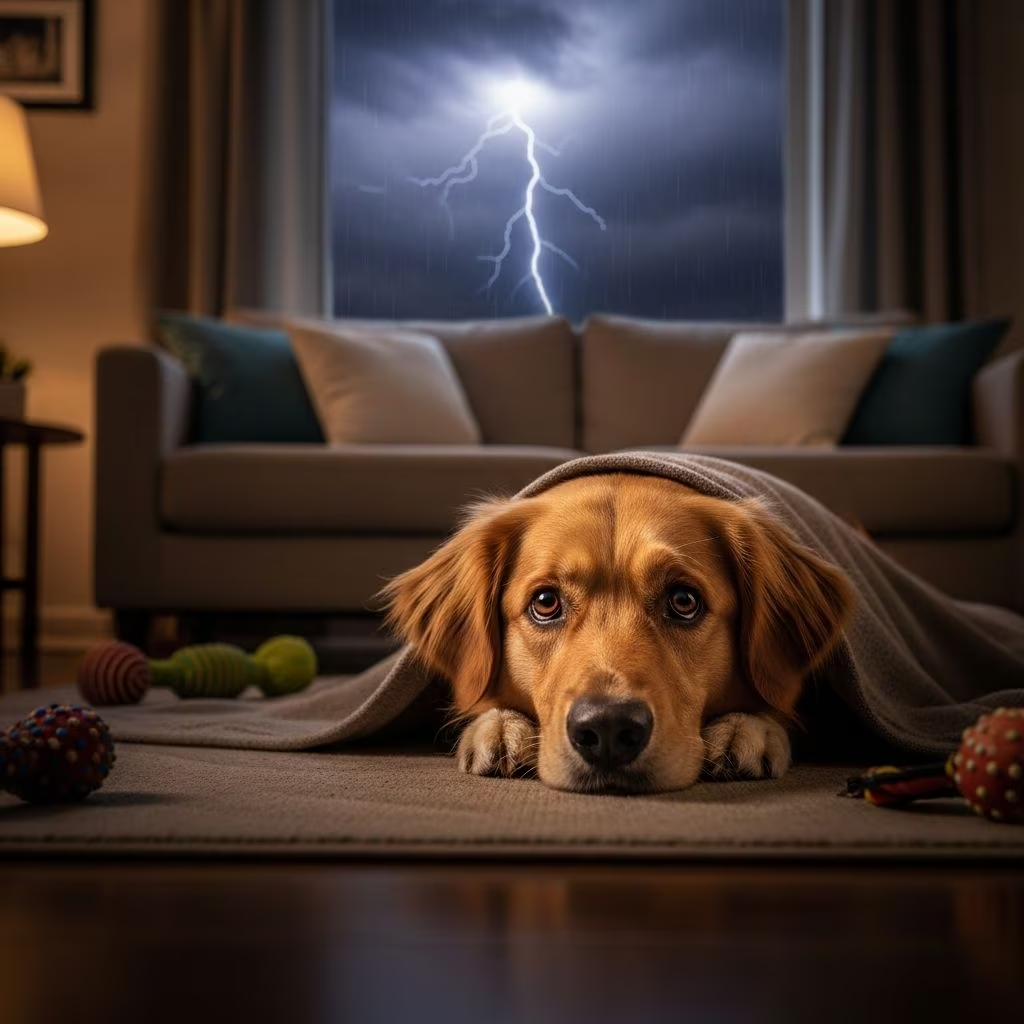
Many dogs become frightened, restless, or even panic-stricken when a thunderstorm rolls in. If your dog shakes, hides, or clings to you during storms, you are not alone. Thunderstorm fear and anxiety are extremely common in dogs, and for some, it can become a serious phobia that affects their health and quality of life.
This guide explains why dogs are scared of thunder, how to tell if your dog has simple storm anxiety or a more severe thunderstorm phobia, and what you can do to keep them safer and calmer when the sky turns dark.
Why Are Dogs Scared of Thunder?
Dogs experience the world differently from humans. Their hearing, sense of smell, and sensitivity to subtle environmental changes are much stronger than ours, which means a thunderstorm can feel like a full-body sensory assault.
Thunderstorms usually include several elements that can trigger fear or anxiety in dogs:
- Loud, unpredictable noise from thunder
- Flashes of lightning and sudden changes in light
- Shifts in barometric pressure as the storm approaches
- High winds and heavy rain or hail
- Static electricity building up in the air and in the dog’s coat
- Low-frequency rumbles that dogs can hear long before we do
Veterinary behavior researchers note that many dogs begin reacting to storms well before the thunder is audible to us, likely because they sense pressure changes or hear distant low-frequency sounds first, which can start the anxiety before the storm even arrives.
What Is Thunderstorm Phobia in Dogs?
Some dogs are simply uneasy or mildly anxious during storms, while others develop a true thunderstorm phobia. Phobia is an intense, abnormal, and persistent fear response to a specific trigger. In this case, the trigger is the storm itself or components of it, such as thunder or lightning.
Dogs with thunderstorm phobia may show:
- Extreme panic or attempts to escape
- Self-injury while trying to flee or hide
- Destructive behavior around doors, windows, or crates
- Severe shaking, drooling, or inability to settle
In these dogs, thunderstorms activate the body\’s “fight-or-flight” stress response via the sympathetic nervous system, releasing stress hormones like adrenaline and triggering intense fear behaviors.
Anxiety vs Fear vs Phobia
Understanding the difference between anxiety, fear, and phobia can help you describe your dog’s behavior accurately to your veterinarian or trainer.
| Term | What It Means | Typical Dog Behavior During Storms |
|---|---|---|
| Anxiety | Ongoing, anticipatory worry about possible danger or bad events. | Restlessness, pacing, panting before storms, hypervigilance when the sky darkens. |
| Fear | Immediate emotional and physical response to a real, present threat. | Startling at thunder claps, brief trembling or hiding, then gradual recovery when the noise stops. |
| Phobia | Intense, persistent, and exaggerated fear response to a specific trigger. | Severe panic, desperate escape attempts, destruction, or shutdown behavior throughout the storm. |
Common Triggers of Thunderstorm Anxiety
Thunderstorm sensitivity can be caused by one or more storm-related elements. Over time, dogs may “generalize” their fear so that many aspects of bad weather become frightening, not just thunder itself.
- Loud thunder – Sudden, booming sounds can startle dogs, especially if they lack positive exposure to noise.
- Lightning and flashes of light – Bright, unpredictable flashes through windows or under doors can be unsettling.
- Barometric pressure changes – Dogs can likely sense drops in pressure as storms approach, which may trigger early anxiety.
- Wind and driving rain – Whistling wind, rattling windows, and heavy rain against the house add to the sensory overload.
- Static electricity – Storms charge the air, and static can build up in a dog’s coat. Some dogs may even experience tiny shocks when they touch metal, worsening their fear.
- Low-frequency sounds – Dogs can hear rumbles long before people, meaning they may be distressed well ahead of visible signs of a storm.
Which Dogs Are Most at Risk?
Any dog can become scared of thunder, but some factors may increase risk:
- Genetics and breed – Highly sensitive herding or working breeds may be more reactive to environmental changes and sound.
- Past negative experiences – Dogs that have been frightened, alone, or trapped during previous storms may learn to fear all future storms.
- Other noise sensitivities – Dogs with existing noise aversion (e.g., to fireworks) or separation anxiety are more likely to struggle with thunderstorms.
- Age – Some dogs develop noise sensitivities as they age, possibly related to changes in hearing or cognition.
Signs Your Dog Is Scared of Thunder
Thunderstorm fear can range from mild uneasiness to intense panic. Typical signs described by veterinarians and animal welfare organizations include:
- Shaking or trembling
- Pacing or restlessness
- Hiding in small or enclosed spaces (bathrooms, closets, under furniture)
- Staying very close to you or “velcro” behavior during the storm
- Excessive panting, even though it is not hot or after no exercise
- Whining, barking, or howling
- Drooling more than usual
- Tail tucked, ears pinned back, wide eyes
- House soiling (urinating or defecating indoors, even if house-trained)
- Destructive behavior, such as chewing doors, scratching at windows, or trying to dig through walls
In severe cases, dogs may injure themselves while trying to escape a room, crate, or yard during storms, leading to cuts, broken teeth, or muscle injuries.
Subtle Signs You Might Miss
Some dogs do not show dramatic panic but still experience significant stress. Watch for:
- Excessive yawning or lip-licking
- Sudden clinginess when the sky darkens
- Refusing food during or just before storms
- Staring, hypervigilance, or scanning windows and doors
Health and Welfare Impact of Storm Anxiety
Thunderstorm phobia is more than an inconvenience; for some dogs it can be a serious welfare issue. Chronic or repeated intense fear can contribute to:
- Physical injuries from escape attempts (cuts, bruises, damaged teeth, muscle strain).
- Respiratory issues such as rapid breathing from sustained stress.
- Gastrointestinal signs like vomiting or diarrhea in highly stressed dogs.
- Immune system effects when severe fear happens frequently, potentially reducing overall resilience to disease.
- Decreased quality of life for both the dog and their family when storms are common.
Because of these possible effects, veterinarians emphasize that thunderstorm phobia should be taken seriously and managed proactively, not dismissed as “just a quirk.”
How to Help a Dog That’s Scared of Thunder
There is no single solution that works for every dog, but a combination of environmental changes, behavioral training, and sometimes medical support can significantly reduce fear and panic.
Create a Safe, Calming Space
Many dogs cope better when they have a dedicated “storm sanctuary.”
- Choose a quiet, interior room away from windows (bathroom, closet, interior hallway).
- Add soft bedding, blankets, and favorite toys to make it feel secure and familiar.
- Use background sound like white noise, a fan, or calming music to help mask thunder.
- Consider covering crates with a blanket (leaving airflow space) to create a den-like environment for crate-trained dogs.
- Let your dog choose where to hide as long as it is safe; avoid dragging them out of their hiding spot.
Stay Calm and Offer Comfort
Contrary to a common myth, offering comfort does not “reward” fear. You cannot reinforce an involuntary emotion like fear in the same way you reinforce a behavior. You can, however, help your dog feel safer by staying calm and predictable.
- Use a soothing voice, slow movements, and gentle petting if your dog seeks contact.
- Avoid punishment or scolding; this only adds stress and confusion.
- If your dog prefers to be left alone, respect that and simply stay nearby and available.
Desensitization and Counterconditioning
Behavior modification techniques are often recommended by veterinary behaviorists for dogs with moderate to severe storm anxiety.
- Desensitization involves gradually exposing your dog to recorded storm sounds at very low volumes, increasing only as they remain relaxed.
- Counterconditioning pairs those sounds with something your dog loves (high-value treats, games, or affection) so that the storm cues start to predict positive outcomes instead of fear.
This process should be done under the guidance of a veterinarian or qualified behavior professional, especially for dogs with intense phobia, and is most effective when practiced outside of actual storm events.
Calming Aids and Tools
Some non-prescription tools may help reduce mild to moderate anxiety:
- Pressure garments (e.g., snug wraps or vests) that apply gentle, constant pressure, which may have a calming effect for some dogs.
- Pheromone products that mimic natural calming scents can be used as sprays, diffusers, or collars.
- Calming music specifically designed for animals, or consistent low-level background noise.
- Environmental changes such as closing blinds and curtains to block lightning flashes.
Effectiveness varies, so they are best used as part of a broader plan rather than as a sole solution.
When to Talk to Your Veterinarian
If your dog’s storm fear is intense, frequent, or causing injury or major disruption, it is important to involve your veterinarian.
- Discuss behavioral signs (videos of your dog during storms can be very helpful).
- Rule out or treat any underlying medical issues that could worsen anxiety.
- Ask about anti-anxiety medications or supplements, which can be used during storms or as part of a longer-term plan.
- Request a referral to a board-certified veterinary behaviorist for severe or complex cases.
Medication is not a “last resort”; for some dogs, it is a key part of reducing suffering and making training possible and effective.
Preventing Storm Anxiety in Puppies and Young Dogs
Early, gentle exposure to sounds and weather events can sometimes reduce the risk of severe storm phobia later in life.
- Include sound socialization in puppy training—use controlled recordings of thunder at low volume paired with treats and play.
- Make early storms as positive as possible by offering chews, games, or cuddle time when mild storms occur.
- Avoid forcing a young dog to “face their fear” through overwhelming exposure; this can backfire and increase sensitivity.
Even with great early experiences, some dogs will still develop storm anxiety due to genetics or other factors. For these dogs, early recognition and intervention are especially important.
Frequently Asked Questions (FAQs)
Q: Why is my dog scared of thunder all of a sudden?
A: New storm fear can appear in adulthood or later life. Possible reasons include a particularly frightening storm, changes in hearing, worsening general anxiety, or pain and medical conditions that lower your dog’s tolerance for stress. A veterinary exam can help rule out health issues and guide next steps.
Q: Can I comfort my dog during a thunderstorm, or will that make it worse?
A: You will not “spoil” or reinforce true fear by calmly comforting your dog. Fear is an emotional state, not a deliberate behavior. Speaking softly, staying relaxed, and offering gentle contact if your dog seeks it can help them feel safer.
Q: Do dogs grow out of being scared of thunder?
A: Most dogs do not simply outgrow true thunderstorm phobia. In some cases, the fear can worsen over time if storms continue to be frightening and no support or training is provided. Proactive management and training are usually needed to prevent escalation.
Q: Are certain breeds more likely to fear thunderstorms?
A: Any breed can develop storm anxiety, but highly sensitive or active breeds—such as many herding and working dogs—may be more prone to intense reactions to environmental changes and loud sounds. Individual temperament and past experiences are just as important as breed.
Q: When should I consider medication for my dog’s storm anxiety?
A: Consider talking to your veterinarian about medication if your dog cannot settle at all during storms, injures themselves trying to escape, shows severe panic signs, or lives in an area with frequent thunderstorms. Medication is often combined with behavior modification for best results and should always be used under veterinary supervision.
References
- Overall KL, Dunham AE, Frank D. “Fear of thunderstorms and fireworks in dogs.” — University of Pennsylvania School of Veterinary Medicine Behavior Medicine Service. 2024-12-01. https://www.vet.upenn.edu/wp-content/uploads/2024/12/fear-of-thunderstorms-amp-fireworks-pdf.pdf
- Becker M. “Thunderstorm Phobia in Dogs.” — PetMD. 2023-06-15. https://www.petmd.com/dog/conditions/behavioral/c_dg_thunderstorm_phobias
- “Why are Dogs Scared of Thunder?” — Purina. 2022-08-10. https://www.purina.com/articles/dog/behavior/understanding-dogs/why-are-dogs-scared-of-thunder
- “Dogs and Thunderstorms.” — Blue Cross (UK). 2023-04-01. https://www.bluecross.org.uk/advice/dog/behaviour-and-training/dogs-and-thunderstorms
- “Why Are Dogs Scared of Thunder? Dog Thunderstorm Anxiety and Phobia Explained.” — Advanced Animal Care. 2024-03-20. https://www.advancedanimalcaremp.com/services/dogs/blog/why-are-dogs-scared-thunder-dog-thunderstorm-anxiety-and-phobia-explained
- “Why Are Dogs Afraid of Thunderstorms?” — Vets of the Rockies. 2022-05-12. https://vetsoftherockies.com/education/why-are-dogs-afraid-of-thunderstorms/



