

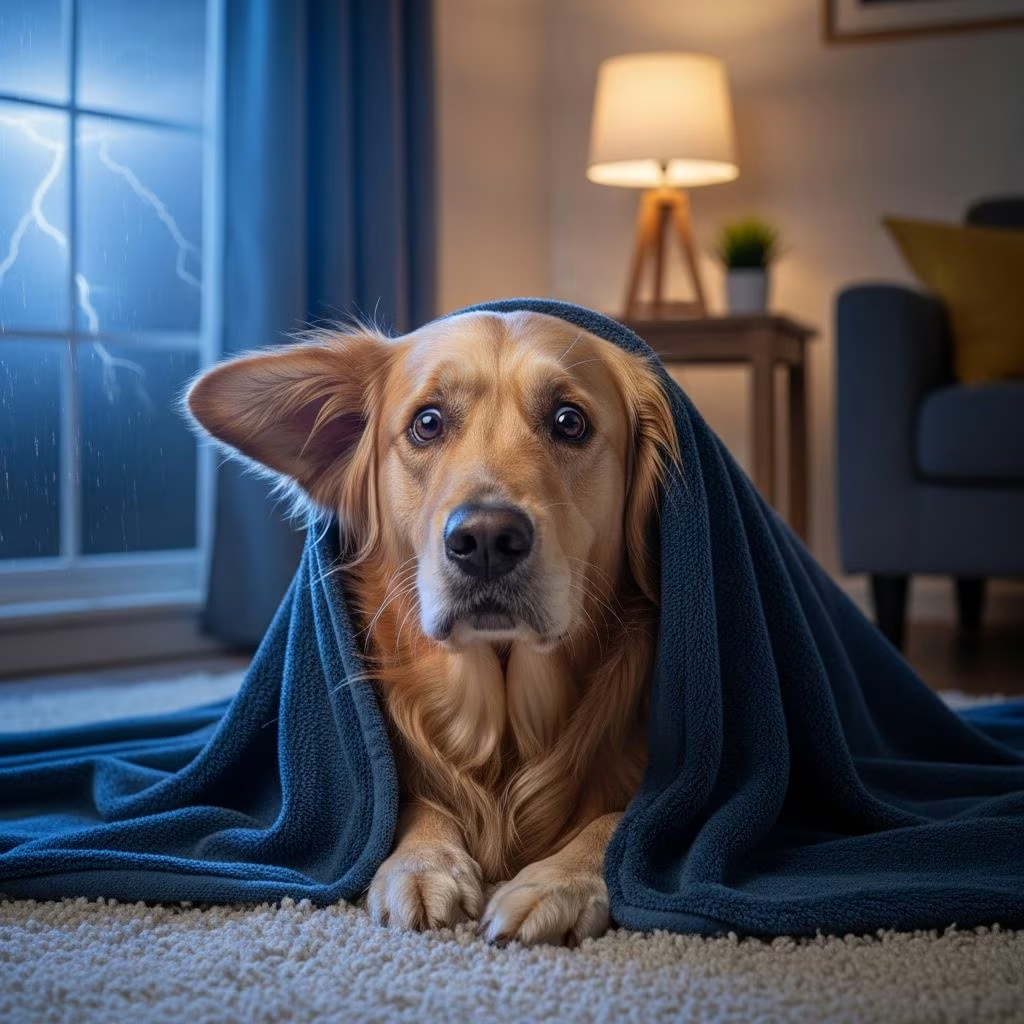
Many otherwise confident dogs become deeply distressed when the sky rumbles. Thunderstorms can trigger shaking, hiding, pacing, or even destructive attempts to escape. Understanding why dogs are scared of thunder and how to support them can dramatically improve their comfort and safety during bad weather.
Why Are Dogs Afraid of Thunderstorms?
Veterinary behaviorists describe thunderstorm fear as a combination of noise sensitivity, environmental changes, and sometimes an underlying phobia that develops over time.
Thunderstorms are multi-sensory events. A dog is not only reacting to the loud clap of thunder, but also to a cluster of changes that arrive before, during, and after the storm.
Common Triggers During Storms
Typical storm-related triggers that can frighten dogs include:
- Loud thunder and low-frequency rumbles that dogs can hear long before humans
- Sudden bright lightning flashes that startle and disrupt a dog’s sense of safety
- Strong winds and rattling objects (windows, doors, trees, roof noises)
- Barometric pressure changes that dogs can sense physically
- Darkening skies and rapid shifts in light levels
- Heavy rain or hail striking roofs, windows, or outdoor structures
- Static electricity building in the dog’s coat, sometimes causing small shocks when they touch metal objects
Over time, some dogs begin to react not only to thunder itself, but to all the early warning signals of a storm—such as wind, light changes, or far-off rumbles.
Noise Anxiety vs. True Thunder Phobia
Veterinary behavior medicine typically distinguishes between fear, anxiety, and phobia:
- Fear: A normal, immediate response to a perceived threat, such as a loud clap of thunder.
- Anxiety: Anticipation of a future threat, like a dog becoming restless when skies darken or the wind picks up before the storm arrives.
- Phobia: An extreme, persistent, and often worsening reaction that may occur even with weak or distant storm cues.
A dog with a thunderstorm phobia may panic as soon as they sense an approaching storm, even if the thunder is faint or has not yet started.
Why Thunder Bothers Dogs More Than People
Dogs experience storms differently than humans for several reasons:
- More sensitive hearing allows them to hear low-frequency thunder and wind noises long before humans, giving them a longer period of anticipation and anxiety.
- Heightened sensitivity to environmental changes, including barometric pressure and humidity shifts.
- Potential static shocks from charged air, especially in larger or long-haired dogs, may make them associate storms with physical discomfort.
- Lack of context: Dogs cannot understand weather reports or the concept of a storm being temporary and generally safe, so the event may feel unpredictable and threatening.
Risk Factors: Which Dogs Are More Likely to Fear Thunder?
Any dog can develop storm anxiety, but certain factors make it more likely.
| Risk Factor | How It Increases Thunder Fear |
|---|---|
| Genetic predisposition | Some lines or breeds appear more reactive to sound or changes in the environment. |
| Breed tendencies | Herding and working breeds are often highly alert and sensitive to stimuli, which can include storms. |
| Early life experiences | Distressing exposure to storms between about 4–7 months of age can set the stage for later phobias, especially if the dog was confined or unable to escape. |
| Existing noise sensitivities | Dogs who already fear fireworks, gunshots, or other loud noises are at higher risk. |
| Separation anxiety or generalized anxiety | Underlying anxiety disorders can amplify reactions to storms. |
| Age-related changes | Older dogs may develop new fears due to sensory changes, pain, or cognitive decline. |
Signs Your Dog Is Scared of Thunder
Signs of storm-related fear can range from very subtle to dramatically obvious. Some dogs simply stay close to their caregiver; others may panic and injure themselves attempting to escape.
Common Behavioral Signs
- Hiding in bathrooms, closets, under beds, or in small spaces
- Clinging to a favorite person, following them constantly
- Pacing or restlessness, repeatedly changing positions
- Shaking or trembling, sometimes with a low posture or crouch
- Barking, whining, howling, or growling during thunder
- Destructive behavior, such as scratching doors or chewing at barriers to escape
- Trying to escape yards, crates, or rooms, sometimes breaking windows or damaging walls
Physical and Emotional Indicators
- Panting when not hot or exercising, a clear sign of stress
- Drooling or increased salivation
- Wide eyes, dilated pupils, or a fixed stare
- Tail tucked, ears pinned back, body lowered
- Yawning and lip licking, which can be subtle stress signals
- Loss of appetite during or shortly after a storm
- Inappropriate urination or defecation indoors linked to fear
Potential Health Risks from Severe Thunderstorm Anxiety
In severe cases, repeated panic during storms can lead to secondary medical and welfare issues:
- Trauma or injury from desperate escape attempts (broken teeth, damaged nails, lacerations, or falls)
- Respiratory distress from intense, prolonged panting
- Gastrointestinal upset such as vomiting or diarrhea
- Chronic stress, which may contribute to reduced immunity and lower quality of life over time
Any dog that is injuring itself, seems disoriented, or is unable to settle at all during storms should be evaluated by a veterinarian or veterinary behaviorist.
How to Help a Dog That’s Scared of Thunder
Managing thunder fear usually requires a combination of environmental changes, behavioral strategies, and in some cases medication. An individualized plan developed with your veterinarian offers the best chance of success.
Create a Safe, Calming Space
Before storm season, prepare a place where your dog can retreat and feel protected:
- Choose an interior, quiet room (bathroom, walk-in closet, basement) away from windows.
- Add soft bedding, their favorite toys, and familiar scents.
- Use white noise or calming music to help mask thunder and wind.
- Close curtains or blinds to minimize lightning flashes.
- Keep the space accessible so your dog can choose to go in and out.
Some dogs prefer crates during storms; others feel trapped. Observe your dog’s behavior and never force confinement if it makes them more agitated.
Provide Comfort Without Reinforcing Panic
Contrary to older advice, current behavior science does not support the idea that you will “spoil” your dog by offering calm reassurance during fear. You cannot reward the emotion of fear, but you can help your dog feel safer.
- Stay calm yourself; speak in a low, confident voice.
- Allow contact: let your dog sit near or on you if that appears to comfort them.
- Avoid scolding fear-based behavior, even if it is inconvenient.
- Use gentle touch or massage if your dog seeks it; back off if they pull away.
Sound Masking and Distraction
Reducing the contrast between thunder and the background environment can blunt the impact of each boom.
- Play steady, soothing music or white noise.
- Turn on a fan, air purifier, or TV at a moderate volume.
- Offer interactive toys, food puzzles, or long-lasting chews if your dog is relaxed enough to eat.
Addressing Static Electricity
Because thunderstorms charge the air and can contribute to static buildup in dogs’ coats, some dogs may benefit from strategies that lessen static.
- Keep your dog in rooms with less carpeting and fewer synthetic fabrics when storms are forecast.
- Use a humidifier indoors to reduce static-prone dry air.
- In consultation with your vet, consider safe grooming tools or anti-static options designed for pets.
Behavior Modification: Desensitization and Counterconditioning
For long-term improvement, behaviorists often recommend structured training approaches:
- Desensitization: Gradually expose your dog to recordings of thunder at a very low volume while they are relaxed, then increase intensity slowly over many sessions.
- Counterconditioning: Pair the thunder sounds with something your dog loves (e.g., special treats, play, or massage) so the association shifts from “threat” to “good things happen.”
These techniques should start outside of storm season and be guided by a veterinarian or credentialed behavior professional, especially for severe cases.
When to Consider Medication or Professional Help
If your dog’s fear is intense or worsening, professional intervention is important. Veterinary behavior guidelines emphasize that untreated phobias tend to escalate over time.
- Consult your primary veterinarian first to rule out medical problems and discuss options.
- Ask for a referral to a veterinary behaviorist for complex or severe phobias.
- Discuss the potential use of behavioral medications or fast-acting anti-anxiety drugs to be given before or at the onset of storms, as appropriate.
Medication is usually most effective when combined with environmental management and behavior modification, rather than used alone.
Preventing and Managing Thunder Fear Over Time
Although not all cases can be fully prevented, early attention can lessen the risk of a severe phobia.
Early, Gentle Exposure
- During puppyhood, pair mild storm noises with treats and play when possible.
- Avoid forcing a young dog to remain in frightening situations without an escape option.
- Ensure general positive socialization to various sounds and environments, following modern, reward-based guidelines.
Monitoring Changes with Age
- Senior dogs may start to show new storm-related fears due to pain, sensory loss, or cognitive changes.
- Report new or intensifying signs to your vet; early treatment is often more successful.
Frequently Asked Questions (FAQs)
Q: Why is my dog suddenly scared of thunder?
A: New thunder fear can appear after a particularly intense storm, a painful or frightening experience that happened during a storm, age-related changes like hearing or cognitive decline, or the gradual buildup of anxiety after repeated exposures. A veterinary exam can help rule out medical contributors and guide treatment.
Q: Should I comfort my dog during a thunderstorm, or will that make it worse?
A: There is no evidence that calmly comforting a fearful dog worsens a true phobia. Current veterinary behavior guidance supports offering safety and reassurance, as long as you remain calm and do not inadvertently push the dog into more frightening situations.
Q: What can I give my dog to calm them during storms?
A: Only a veterinarian can recommend safe medications or supplements that are appropriate for your dog’s health, size, and severity of fear. For dogs with significant thunderstorm anxiety, vets may prescribe short-acting anti-anxiety medication to be used at the onset of storms, often as part of a broader behavior plan.
Q: My dog hides in the bathroom or bathtub during storms. Is that okay?
A: Many dogs naturally choose small, enclosed spaces—often bathrooms—during storms, possibly because they are quieter and feel more secure. As long as the space is safe and your dog can get in and out freely, allowing this behavior is usually acceptable. You can make the area more comfortable with bedding and white noise.
Q: Can thunderstorm phobia be cured?
A: Some dogs improve dramatically with a combination of environment changes, behavior modification, and medication, while others may always need extra support during storms. The goal is usually to reduce intensity and duration of fear, improve safety, and enhance quality of life, rather than expecting fear to disappear entirely.
References
- Why Are Dogs Scared of Thunder? Dog Thunderstorm Anxiety and Phobia Explained — Advanced Animal Care Manhattan. 2024-06-01. https://www.advancedanimalcaremp.com/services/dogs/blog/why-are-dogs-scared-thunder-dog-thunderstorm-anxiety-and-phobia-explained
- Why Are Dogs Afraid of Thunderstorms? — Vets of the Rockies. 2023-05-10. https://vetsoftherockies.com/education/why-are-dogs-afraid-of-thunderstorms/
- Thunderstorm Phobias in Dogs: How to Manage Dog Storm Anxiety — PetMD (Chewy, Inc.). 2022-08-15. https://www.petmd.com/dog/conditions/behavioral/c_dg_thunderstorm_phobias
- Why are Dogs Scared of Thunder? — Purina. 2022-07-20. https://www.purina.com/articles/dog/behavior/understanding-dogs/why-are-dogs-scared-of-thunder
- Is Your Dog Afraid of Thunder? Here Are Some Ways to Help — Paw CBD. 2021-06-30. https://www.pawcbd.com/blogs/posts/is-your-dog-afraid-of-thunder-learn-how-you-can-help
- Fear of Thunderstorms and Fireworks — University of Pennsylvania School of Veterinary Medicine, Behavior Medicine Service (PDF). 2024-12-01. https://www.vet.upenn.edu/wp-content/uploads/2024/12/fear-of-thunderstorms-amp-fireworks-pdf.pdf



