

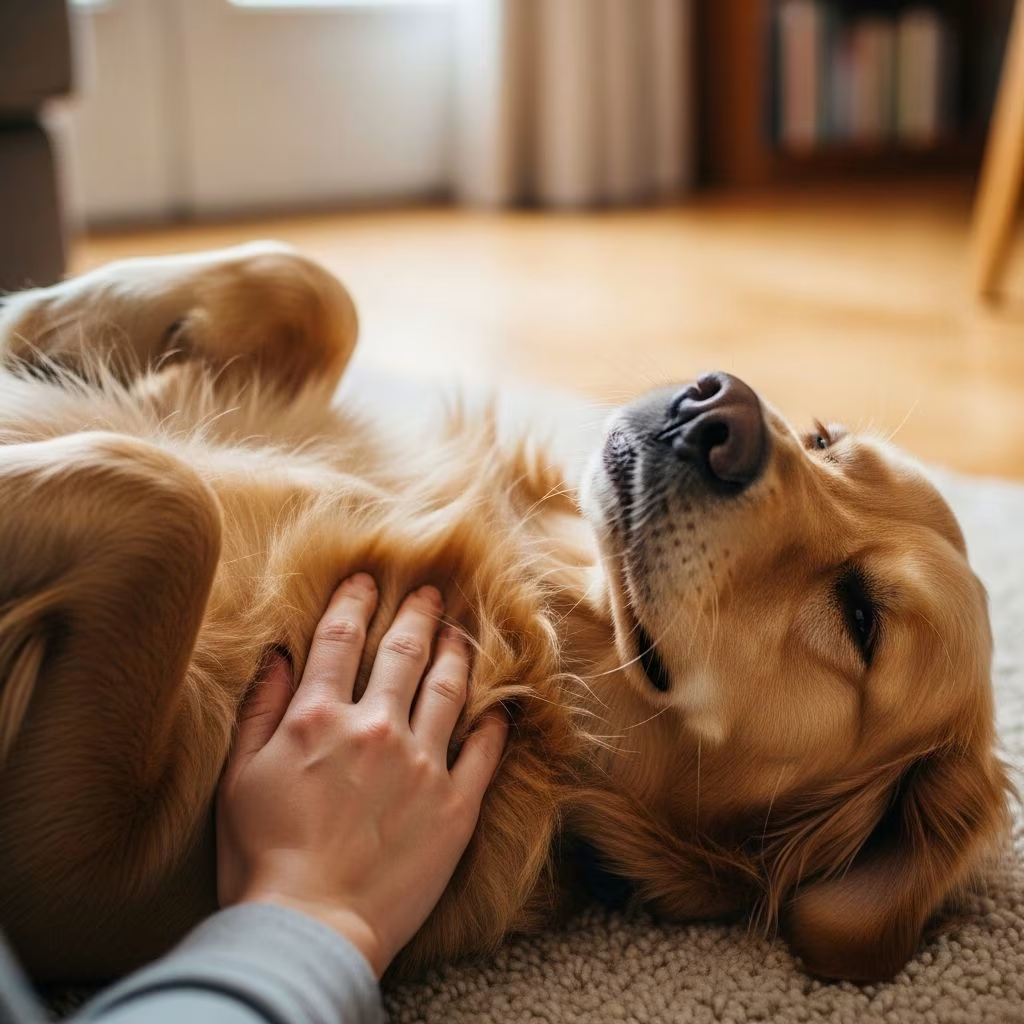
Many dog owners witness their pets rolling onto their backs, paws in the air, eagerly awaiting a belly rub. This behavior stems from a mix of physiological pleasure, deep trust, and evolutionary instincts that make the underside a hotspot for affection.
The Biological Bliss of Touch
Gentle stroking on a dog’s belly activates sensitive nerve endings, sending signals through the spinal cord to the brain’s reward centers. This triggers the release of **oxytocin**, known as the love hormone, and **endorphins**, which promote happiness and reduce pain.
Research shows that just minutes of petting lowers **cortisol** levels, the stress hormone, in dogs, creating a calming effect similar to what humans experience during affectionate touch. One study found shelter dogs calmed after 15 minutes of interaction, highlighting touch’s role in emotional well-being.
Exposing Vulnerability: A Sign of Ultimate Trust
When a dog flips over to reveal its belly, it’s not just seeking scratches—it’s displaying profound trust. The abdomen houses vital organs, making it a vulnerable spot. Wolves and wild canines rarely expose this area unless in a safe pack environment.
This gesture echoes puppyhood, where mothers groom the belly with licks, associating the sensation with comfort and care. Adult dogs extend this to trusted humans, reinforcing social bonds through mutual grooming-like touch.
The Scratch Reflex: Kicks of Joy or Instinct?
That hilarious leg paddling during a rub? It’s the **scratch reflex**, an involuntary response from nerve clusters under the skin, often on the belly or flanks. Evolved to fend off fleas and irritants, it activates spinal neurons, bypassing the brain for quick action.
Veterinarian Lore Haug notes this ‘sweet spot’ or ‘tickle spot’ provides satisfying itch relief dogs can’t reach themselves. While reflexive, it often pairs with enjoyment signs like relaxed posture.
Hormonal Harmony Between Pet and Owner
Belly rubs benefit both parties. Dogs release oxytocin, fostering attachment, while owners experience the same, deepening the human-canine connection. Studies using brain scans show many dogs value praise and touch over food rewards, with caudate nucleus activity (reward center) lighting up more for owner interaction.
In a Y-maze experiment, most dogs chose their owner for petting over treats, underscoring touch’s power in their preference hierarchy.
Reading Your Dog’s Body Language
Not all dogs universally love belly rubs—it’s a myth, per psychologist Stanley Coren. Preferences vary by individual, breed, and mood. Watch for these cues:
- Enjoyment: Loose, wiggly body; soft eyes; tail wagging; playful paw lifts.
- Discomfort: Tense muscles; lip licking; yawning; avoidance; pinned ears; whale eye (whites showing).
- Overstimulation: Sudden snaps or growls—stop immediately.
Always let the dog initiate by rolling over, respecting boundaries to maintain trust.
When Belly Rubs Signal Health Concerns
Persistent refusal or sensitivity might indicate pain from gastrointestinal issues, skin conditions, or injuries. If your dog guards its belly, snaps, or shows aggression, consult a vet promptly.
| Sign | Possible Meaning | Action |
|---|---|---|
| Consistent avoidance | Pain or discomfort | Vet check-up |
| Localized flinching | Skin irritation or injury | Inspect gently; seek pro advice |
| Sudden change in behavior | Underlying illness | Professional evaluation |
| Relaxed exposure | Trust and pleasure | Continue with care |
Techniques for Perfect Belly Rubs
To maximize enjoyment:
- Start slow: Pet head or back first, progressing to belly if invited.
- Use gentle pressure: Light circles or scratches; avoid nails if sensitive.
- Find the spot: Experiment for the reflex trigger—often mid-belly or sides.
- Combine with voice: Soft praise enhances oxytocin release.
- Know when to stop: End on a high note before overstimulation.
Breeds with thinner coats, like Greyhounds, may relish the cooling sensation, especially in warm weather.
Breed Differences in Belly Rub Preferences
While universal, enjoyment varies:
- **Protective breeds** (e.g., German Shepherds): May expose less due to guarding instincts.
- **Companion breeds** (e.g., Labs, Cavaliers): Often seek frequent rubs.
- **Short-haired breeds**: Heightened sensitivity from less fur insulation.
- **Seniors**: Gentler rubs soothe arthritis-related aches.
Observe your dog’s unique responses.
The Evolutionary Roots of Canine Affection
Domestication amplified touch sensitivity. Unlike wild ancestors, modern dogs crave human interaction, with petting mimicking pack grooming. This co-evolution makes belly rubs a cornerstone of companionship, boosting welfare in homes and shelters.
Enhancing Bonding Through Touch
Incorporate belly rubs into routines for stress relief, especially post-walks or during anxiety. Pair with training for positive associations. Research confirms touch outperforms food for many dogs, making it a powerful tool for emotional health.
FAQs
Do all dogs like belly rubs?
No, while many do, some find it uncomfortable. Dr. Stanley Coren calls it a myth that every dog loves them—read body language.
Why does my dog kick its leg during rubs?
It’s the scratch reflex, an innate response to dislodge irritants, hitting sensitive nerves.
Is the scratch reflex a sign of dislike?
Not necessarily—combine with other cues like relaxation. It can coexist with pleasure.
Can belly rubs help anxious dogs?
Yes, they lower cortisol and raise oxytocin, calming pups as shown in studies.
What if my dog avoids belly rubs suddenly?
Check for pain or illness; vet consultation recommended.
Prefer touch or treats?
Brain scans show many dogs favor praise and rubs over food.
References
- Why Dogs Love Belly Rubs in 2025 – Vet‑Reviewed Science & Tips — AskAVet. 2025. https://askavet.com/blogs/dog-behavior-training/why-dogs-love-belly-rubs-in-2025-vet-reviewed-science-tips-%F0%9F%90%B6%F0%9F%92%86
- Why Do Dogs Like Belly Rubs? — Schertz Animal Hospital. 2023-10-15. https://schertzanimalhospital.com/blog/why-do-dogs-like-belly-rubs/
- Why Do Dogs Like Belly Rubs? — Whole Dog Journal. 2024. https://www.whole-dog-journal.com/behavior/why-do-dogs-like-belly-rubs/
- Why Do Dogs Like Belly Rubs? — PetMD. 2024-05-20. https://www.petmd.com/dog/behavior/why-do-dogs-belly-rubs
- Why Do Dogs Like Belly Rubs? — American Kennel Club (AKC). 2023. https://www.akc.org/expert-advice/training/dogs-like-belly-rubs/
- Dogs would rather get a belly rub than a treat — Science.org (AAAS). 2016-08-30. https://www.science.org/content/article/dogs-would-rather-get-belly-rub-treat



