

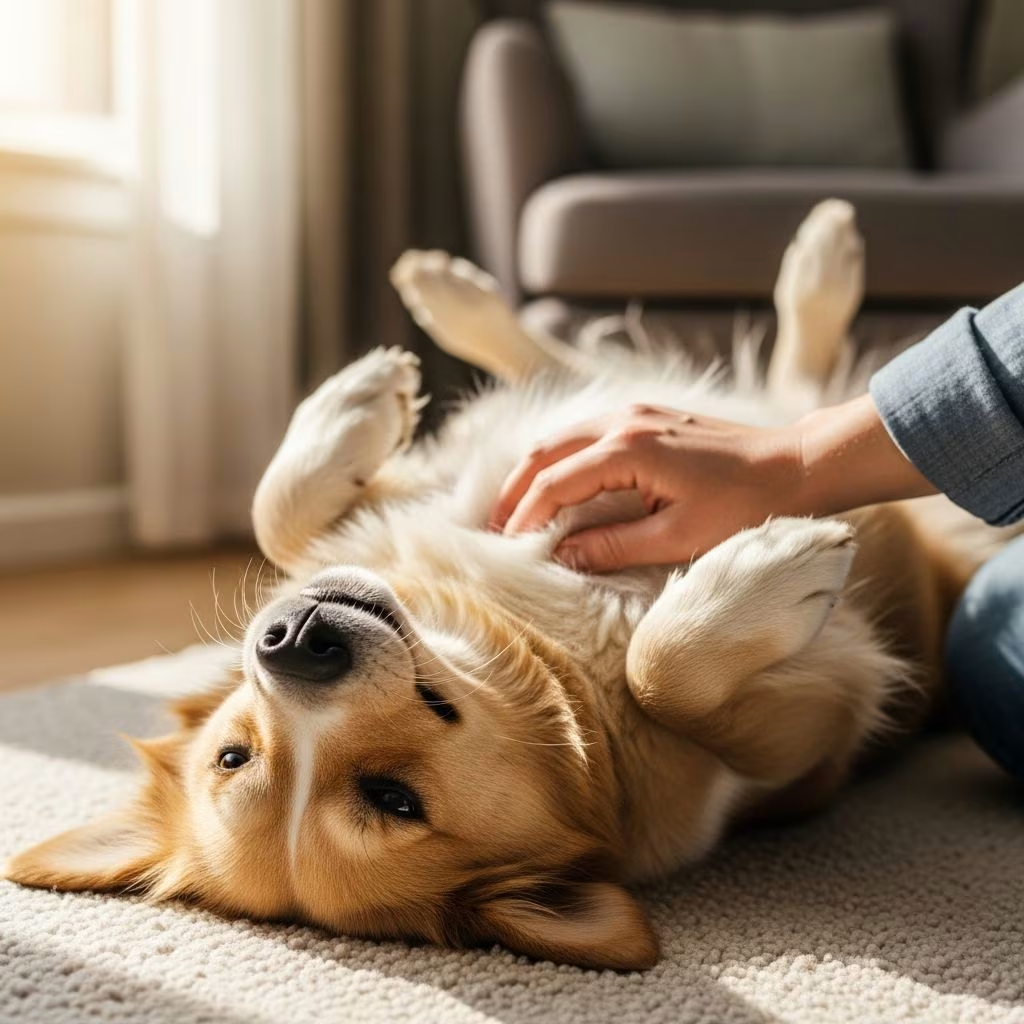
Dogs rolling onto their backs with paws in the air is a classic sight that melts hearts worldwide. This behavior stems from a mix of biological pleasure, deep-seated instincts, and profound trust in their human companions. Understanding these elements not only explains the appeal but also helps owners provide rubs that enhance well-being and strengthen relationships.
The Biological Bliss of Touch
At the core of a dog’s love for belly rubs lies simple physiology. The abdominal area boasts a high concentration of nerve endings, making it incredibly sensitive to touch. When rubbed, these nerves fire signals to the brain, releasing feel-good chemicals like endorphins and oxytocin. These hormones reduce stress and promote relaxation, much like a human massage.
Studies on human-animal interactions confirm this effect. In one experiment, just three minutes of petting elevated oxytocin levels in dogs while lowering cortisol, the stress hormone. Heart rates also stabilized, indicating a calming physiological response. Shelter dogs showed similar benefits from 15 minutes of gentle touch, appearing more adoptable afterward.
This pleasure isn’t uniform; some spots trigger the “scratch reflex,” causing involuntary leg kicking. This reflex, an evolutionary defense against parasites, activates specific nerve clusters but doesn’t always mean discomfort—watch for overall relaxed body language to confirm enjoyment.
Instincts Rooted in Puppyhood
From their earliest days, puppies experience belly contact during nursing and grooming by their mother and littermates. These gentle touches create positive associations, linking abdominal stimulation with safety and care. As adults, dogs carry this forward, viewing belly exposure from trusted humans as a comforting echo of pack nurturing.
Wild ancestors guarded their bellies fiercely, as the area houses vital organs. Domesticated dogs, however, flip over for humans as a sign of ultimate vulnerability and acceptance. This act positions owners as pack leaders, fostering hierarchy and security within the family unit.
Building Trust Through Vulnerability
Exposing the belly is a dog’s ultimate gesture of submission and trust. In canine social dynamics, it signals “I see you as safe and dominant.” Reciprocating with rubs reinforces this bond, releasing mutual oxytocin that deepens emotional connections. Far beyond casual petting, these moments affirm loyalty and affection.
Operant conditioning plays a role too. Dogs learn that rolling over leads to rewarding scratches, encouraging repetition. Happy sighs, wiggles, and eye contact form a feedback loop, solidifying the behavior as a communication tool for seeking pleasure.
Practical Ways Dogs Ask for Rubs
Dogs communicate desires clearly through body language. Recognizing these signs ensures interactions are consensual and enjoyable:
- Back-flopping exposure: Deliberately rolling to show the stomach, often with legs extended skyward.
- Playful scooting: Wiggling closer on their back to draw attention to the belly.
- Paw invitations: Gently pawing or nibbling while upside down, paired with expectant gazes.
- Relaxed sighs: Deep, contented exhalations as they settle into position.
- Tail wags and smiles: Loose body, wagging tail, and open-mouthed grins signaling delight.
These voluntary cues indicate active consent, distinguishing genuine requests from other behaviors.
Mastering the Art of the Perfect Rub
Not all dogs prefer the same technique. Tailor your approach based on size, preference, and feedback:
| Dog Type | Recommended Technique | Tips |
|---|---|---|
| Small breeds | Gentle stroking or light scratches | Use fingertips; avoid heavy pressure to prevent overwhelm. |
| Large breeds | Firmer rubs or pats | Cover broader areas; alternate with massages for deeper relief. |
| Sensitive pups | Soft patting | Start slow; build intensity only if they lean in. |
| Scratch reflex zones | Targeted circular scratches | Expect leg kicks—it’s pleasurable unless body tenses. |
Begin lightly and observe: leaning in means more; pulling away signals stop. Sessions of 1-3 minutes maximize benefits without overstimulation.
Physiological Perks Beyond Pleasure
Belly rubs aid thermoregulation too. Dogs lack sweat glands on most of their body, relying on bare abdominal skin to release heat. Rubbing ruffles fur and promotes air circulation, cooling them efficiently in warm conditions—a practical reason they seek it more in summer.
Additionally, regular touch supports overall health. It lowers blood pressure, eases anxiety, and even boosts immune function through stress reduction. For rescue dogs, consistent positive contact rebuilds confidence, aiding socialization.
Red Flags: When to Skip the Rub
Not every belly flash invites touch. Misreading signals can cause stress or injury. Watch for these warning signs:
- Avoidance: Moving away, tensing muscles, or lip-licking.
- Defensive posture: Ears pinned back, tail tucked, averted eyes, or stiff body.
- Context matters: Rolling during nail trims or vet visits often signals fear, not invitation.
Certain dogs may never enjoy rubs:
- Rescues with trauma histories, associating touch with past abuse.
- Pups post-surgery, pregnant, or nursing—protectiveness kicks in.
- Seniors with arthritis, incontinence, or skin issues; tenderness amplifies discomfort.
- Independent breeds less wired for physical affection.
Always prioritize consent. If unsure, consult a vet for underlying pain checks.
Enhancing Bonds with Mindful Touch
Belly rubs transcend fun—they’re a cornerstone of canine-human partnership. By honoring instincts and cues, owners provide enrichment that combats loneliness in modern pet life. Combine with praise; some dogs value verbal affirmation and touch over food rewards, per behavioral studies.
Incorporate variety: alternate rubs with play, walks, or training for holistic care. This multifaceted affection ensures dogs thrive emotionally and physically.
Frequently Asked Questions
Is the scratch reflex painful for dogs?
No, it’s typically pleasurable, mimicking itch relief. Distinguish by relaxed vs. tense reactions.
Why does my dog kick during belly rubs?
This activates nerves linked to parasite defense, sending automatic signals to the spine. It’s involuntary but enjoyable.
Can belly rubs help anxious dogs?
Yes, they boost oxytocin and cut cortisol, promoting calm. Short sessions work best.
What if my dog rolls over but seems scared?
Context is key—fear rolls show submission, not invitation. Back off and build trust gradually.
Are some breeds more belly rub fans?
Yes, social breeds like Labs love it; independents like hounds may prefer minimal contact.
References
- Why Do Dogs Like Belly Rub? 5 Key Reasons to Understand — Fitwarm. 2023. https://www.fitwarm.com/blogs/news/reasons-dogs-love-belly-rubs
- Why Do Dogs Like Belly Rubs? — PetMD (Dr. Samantha Stanley, DVM). 2024-02-15. https://www.petmd.com/dog/behavior/why-do-dogs-belly-rubs
- If a dog shows you their belly, it is not always an invitation to rub it — Silicon Canals. 2024. https://siliconcanals.com/r-bt-if-a-dog-shows-you-their-belly-it-is-not-always-an-invitation-to-rub-it-experts-explain/
- Some Dogs Prefer Praise and a Belly Rub Over Treats — Psychology Today. 2016-08-15. https://www.psychologytoday.com/us/blog/animal-emotions/201608/some-dogs-prefer-praise-and-belly-rub-over-treats



