
Why Does My Dog Vomit Yellow Foam: Causes and Solutions
Understanding yellow foam vomiting in dogs: causes, symptoms, and when to seek veterinary care.
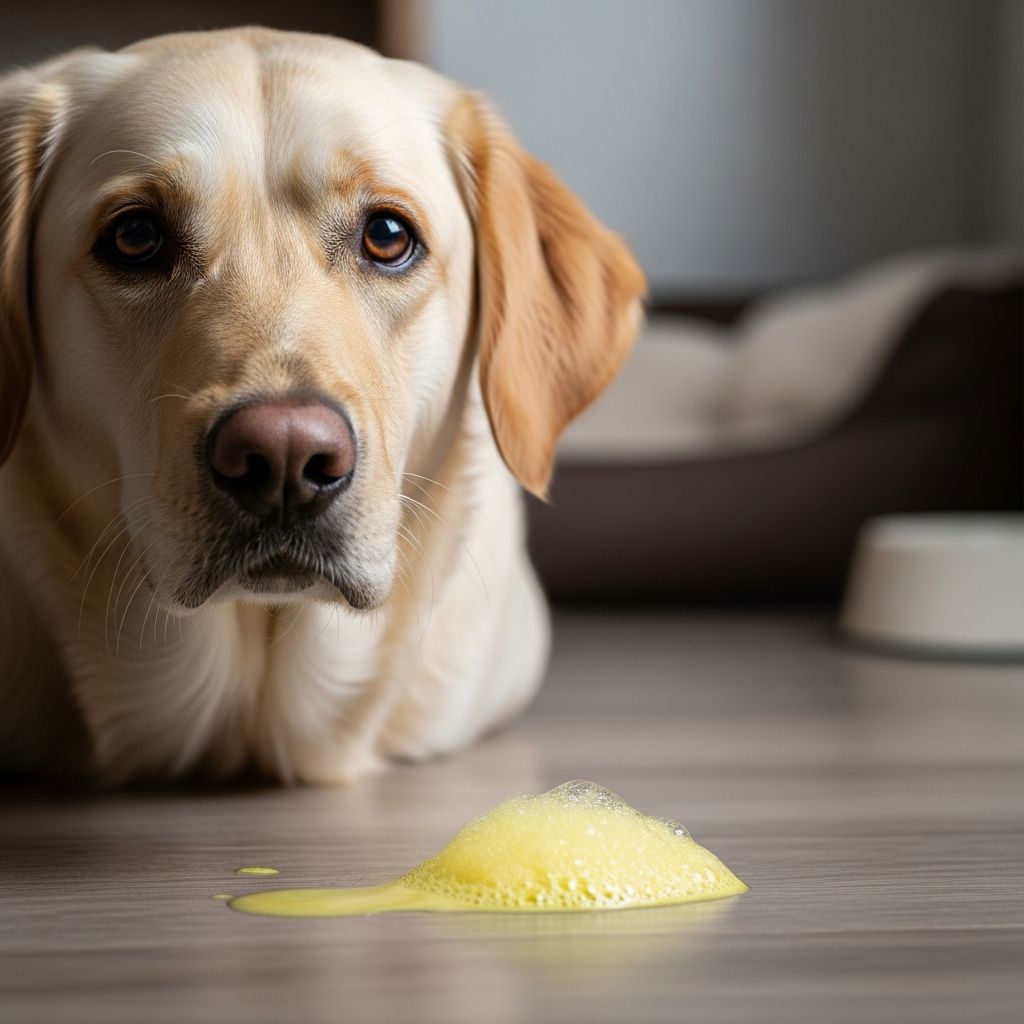
Why Does My Dog Vomit Yellow Foam?
If you’ve noticed your dog vomiting yellow foam, you’re not alone in your concern. This is a common issue that many pet owners encounter, and understanding the underlying causes can help you provide better care for your furry companion. Yellow foam vomiting in dogs is typically caused by bile leaking into the stomach and reacting with stomach acid, creating that distinctive foamy appearance. Bile is a digestive fluid produced by the liver and stored in the gallbladder, designed to help break down fats and improve nutrient absorption during the digestive process.
Understanding Bile and Its Role in Digestion
To understand why your dog vomits yellow foam, it’s important to first grasp the role bile plays in your dog’s digestive system. Bile is produced continuously by the liver and stored in the gallbladder until your dog eats. When food enters the small intestine, the gallbladder releases bile to help break down dietary fats and facilitate the absorption of essential nutrients. This bile is naturally yellow or greenish in color.
When your dog’s stomach is empty or bile backs up into the stomach, it can cause irritation. This irritation triggers the vomiting reflex, and when expelled, the bile mixes with stomach acid and mucus, creating that foamy, yellow appearance you may have observed. The foam develops because of the mixture of bile, stomach secretions, mucus, and air present in the vomitus.
Common Causes of Yellow Foam Vomiting
Bilious Vomiting Syndrome
One of the most common reasons dogs vomit yellow foam is a condition called bilious vomiting syndrome (BVS). This occurs when your dog’s stomach remains empty for too long, typically after periods of fasting. Dogs with BVS often vomit up yellow foam or liquid in the early morning or late at night, particularly if they go extended periods without food.
This syndrome happens because when the stomach is empty, bile from the small intestine backs up into the stomach and causes irritation. Dogs fed only once daily are particularly susceptible to this condition. If your dog regularly vomits yellow foam in the morning before breakfast or after fasting for a veterinary procedure, BVS may be the culprit.
Empty Stomach and Hunger Pukes
An empty stomach is one of the most straightforward causes of yellow foam vomiting. When your dog skips a meal or goes too long without eating, bile can accumulate in the stomach. This buildup irritates the stomach lining and triggers vomiting. Dogs that are particularly sensitive to an empty stomach may develop what veterinarians describe as “feeling sick on an empty stomach.” If your dog goes long periods between meals or eats something particularly fatty or difficult to digest, excess bile can linger once the stomach has emptied, leading to recognizable yellow vomit.
Fatty or Rich Foods
Fatty meals are a common trigger for yellow vomiting in dogs. Since bile is specifically used to break down fats, consuming treat or new food that’s richer in fat than usual can trigger yellow vomiting. In most cases, if your dog has eaten a fattier treat or new food, they may vomit up yellow material a few hours after eating. While an occasional episode or two after a rich snack is usually not cause for concern, repeated incidents or vomiting accompanied by diarrhea warrants veterinary attention. Pancreatitis, which commonly occurs after a dog has eaten a very fatty or oily meal, can cause vomiting, stomach pain, and diarrhea, typically occurring a day or two after the fatty meal.
Acid Reflux
Just like humans, dogs can experience acid reflux, a condition that occurs when stomach acid moves up into the esophagus. Dogs with reflux may burp, experience retching, and vomit. This condition causes irritation to the esophageal lining and can result in yellow foam vomiting. Overweight dogs are more prone to acid reflux, making weight management an important preventive measure.
Gastritis
Gastritis occurs when the stomach lining becomes inflamed, and dogs experiencing this condition will exhibit sudden vomiting and loss of appetite. Common causes of gastritis include consuming spoiled foods, eating kitty litter, swallowing foreign objects, or ingesting other foods and substances that are toxic to dogs. The inflammation irritates the stomach enough to trigger vomiting of bile and foam.
Serious Medical Conditions to Consider
While many cases of yellow foam vomiting are relatively benign and easy to manage, it’s crucial to recognize that this symptom can also indicate more serious underlying health conditions. If your dog’s vomiting is recurrent or accompanied by other symptoms like lethargy, loss of appetite, or abdominal pain, prompt veterinary evaluation is essential.
A range of more serious health conditions can trigger digestive issues and cause a dog to vomit yellow foam, including:
– Ulcers in the stomach or intestines- Bacterial infections- Viral infections- Parasitic infections- Certain cancers- Pancreatitis- Intestinal blockages- Food allergies or intolerances- Addison’s disease (hypoadrenocorticism)- Liver disease- Inflammatory bowel disease
Liver Disease
Vomiting is a common sign of liver disease in dogs. Dogs with liver disease may also display jaundice, have diarrhea, act lethargic, have a reduced appetite, and experience abdominal pain. If liver disease is suspected, immediate veterinary care is necessary.
Ulcers
Ulcers in the stomach or intestines can cause vomiting in dogs. These ulcers may be painful, cause inflammation in the gastrointestinal tract, and lead to nausea and vomiting of bile-tinged material.
Intestinal Blockages
A less common but serious cause of yellow vomiting is an intestinal blockage. Dogs sometimes swallow toys, large chunks of bone, or other foreign objects that literally block the intestine so nothing can pass through. This is extremely painful for your dog, and you’ll typically see them hunched over in pain, straining to defecate but producing nothing. This is a medical emergency requiring immediate veterinary intervention.
Toxin Ingestion
Ingestion of certain toxins, such as antifreeze or chocolate, can cause vomiting in dogs. Although the initial vomitus may be colored by whatever toxin the dog ingested, it can become yellow with bile as vomiting continues. Pet parents should familiarize themselves with common dog toxins and keep them securely out of reach.
When to Seek Veterinary Care
It’s important to distinguish between occasional yellow foam vomiting and a recurring pattern that may indicate a serious problem. While a single episode of yellow vomiting after your dog ate a fatty treat may not require immediate attention, several situations warrant prompt veterinary care:
– Vomiting that occurs repeatedly over several days- Vomiting accompanied by diarrhea- Signs of lethargy, depression, or loss of appetite- Abdominal pain or hunching over- Straining to defecate without producing stool- Jaundice or yellowing of gums and skin- Signs of dehydration- Blood in vomit or stool- Inability to keep food or water down
Bile is an acidic liquid that can eat away at your dog’s esophagus if left untreated. Your dog will need to be diagnosed and treated by a veterinarian as soon as symptoms are observed, particularly if the vomiting is recurrent or severe.
Diagnosis and Treatment
Veterinary Evaluation
Your veterinarian will perform a thorough physical examination and may recommend various diagnostic tests to determine the underlying cause of your dog’s yellow foam vomiting. These tests may include blood work, fecal examination, urinalysis, abdominal ultrasound, or X-rays. Your vet will ask detailed questions about when the vomiting occurs, what it looks like, whether your dog has eaten anything unusual, and if there are any other symptoms.
Management Strategies
The treatment approach depends entirely on the underlying cause of the vomiting. Some causes of yellow vomiting may be managed with simple dietary changes. For example, dogs who vomit due to food intolerances or allergies may see improvement with a hydrolyzed protein diet. However, it’s important to note that food allergies are more likely to cause skin issues than gastrointestinal issues, so don’t assume that a dog who frequently vomits has food allergies.
For dogs with bilious vomiting syndrome caused by an empty stomach, feeding smaller, more frequent meals throughout the day can help prevent bile buildup. Some veterinarians may recommend a light snack or treat before bedtime to help prevent early morning vomiting. Adding more fiber to your dog’s diet may also help manage BVS in some cases.
Dietary Modifications
Dietary management is often the first line of treatment for less serious causes of yellow foam vomiting. Your veterinarian may recommend:
– Feeding your dog smaller, more frequent meals instead of one or two large meals- Avoiding fatty foods and table scraps- Ensuring your dog has access to fresh water but avoiding excessive water consumption- Adding more fiber to the diet to aid digestion- Switching to a novel protein or hydrolyzed protein diet if food allergies are suspected- Gradually transitioning to new foods to avoid digestive upset
Prevention Tips for Pet Owners
While not all cases of yellow foam vomiting can be prevented, there are several steps you can take to reduce the likelihood of this issue occurring:
– Feed your dog regular meals at consistent times rather than leaving food out all day- Divide daily food portions into two or more meals to prevent long fasting periods- Avoid giving your dog fatty foods, table scraps, and rich treats- Keep toxic substances, foreign objects, and potential hazards out of reach- Maintain a healthy weight for your dog, as obesity can contribute to acid reflux and other digestive issues- Provide regular exercise and mental stimulation- Monitor for any changes in appetite, vomiting patterns, or other symptoms- Keep up with regular veterinary checkups and preventive care
Frequently Asked Questions
Q: Is yellow foam vomiting in dogs always a serious problem?
A: Not necessarily. While occasional yellow foam vomiting may be caused by an empty stomach or a fatty meal and is often not serious, recurrent vomiting or vomiting accompanied by other symptoms can indicate a more serious underlying condition. When in doubt, contact your veterinarian.
Q: How can I help my dog if they’re vomiting yellow foam at home?
A: If your dog vomits once or twice but otherwise seems normal, you can try feeding them smaller, more frequent meals and avoiding fatty foods. However, if vomiting is recurrent, accompanied by other symptoms, or if you’re concerned, contact your veterinarian immediately.
Q: Can I prevent my dog from vomiting yellow foam?
A: You can reduce the risk by feeding regular meals at consistent times, avoiding fatty foods, maintaining a healthy weight, and keeping potentially harmful substances out of reach. However, some causes require veterinary intervention to prevent.
Q: When should I take my dog to the emergency veterinarian for yellow foam vomiting?
A: Seek emergency veterinary care immediately if your dog shows signs of severe abdominal pain, inability to keep anything down, signs of dehydration, blood in vomit, or if you suspect a foreign body blockage or toxin ingestion.
Q: What’s the difference between yellow foam and yellow liquid vomit?
A: Yellow foam is a mixture of bile, stomach secretions, mucus, and air that creates a frothy appearance, while yellow liquid is primarily bile mixed with stomach acid. Both indicate similar underlying issues, though foam suggests more air in the stomach.
Q: Can diet changes alone cure my dog’s yellow foam vomiting?
A: Diet changes can help manage bilious vomiting syndrome and food-related vomiting, but more serious conditions like liver disease, infections, or intestinal blockages require specific medical treatment beyond dietary modification.
References
- Why Is My Dog Throwing Up Yellow Foam? — Cherry Creek Veterinary Hospital. 2024. https://www.cherrycreekvet.com/blog/why-is-my-dog-throwing-up-yellow-foam/
- Why Is My Dog Vomiting Yellow Foam? — Falls Village Vet Hospital. 2024. https://raleighncvet.com/dog-care/why-is-my-dog-vomiting-yellow-foam/
- Dog Is Throwing Up Yellow Bile & Foam: Here’s What to Do — The Pet Lab Co. 2024. https://thepetlabco.com/learn/dog/health-wellness/dog-throwing-up-yellow-bile-and-foam
- Is Your Dog Vomiting Yellow Foam? — Pet Education Video. 2024. https://www.youtube.com/watch?v=20ZXqUXKWD0
- Dog Vomiting 101: Why it Happens — Michelson Found Animals. 2024. https://www.foundanimals.org/dog-vomiting-101-why-dogs-vomit/
- My Dog Is Throwing Up Yellow: What Should I Do? — Vetnique. 2024. https://vetnique.com/blogs/vets-corner/my-dog-is-throwing-up-yellow-what-should-i-do-vetnique
- My Dog Throwing Up Yellow Bile? What do I do? — Fetch Vets. 2024. https://fetchvets.com/blog/dog-throwing-up-yellow-bile/
Similar Articles








Read full bio of medha deb


