

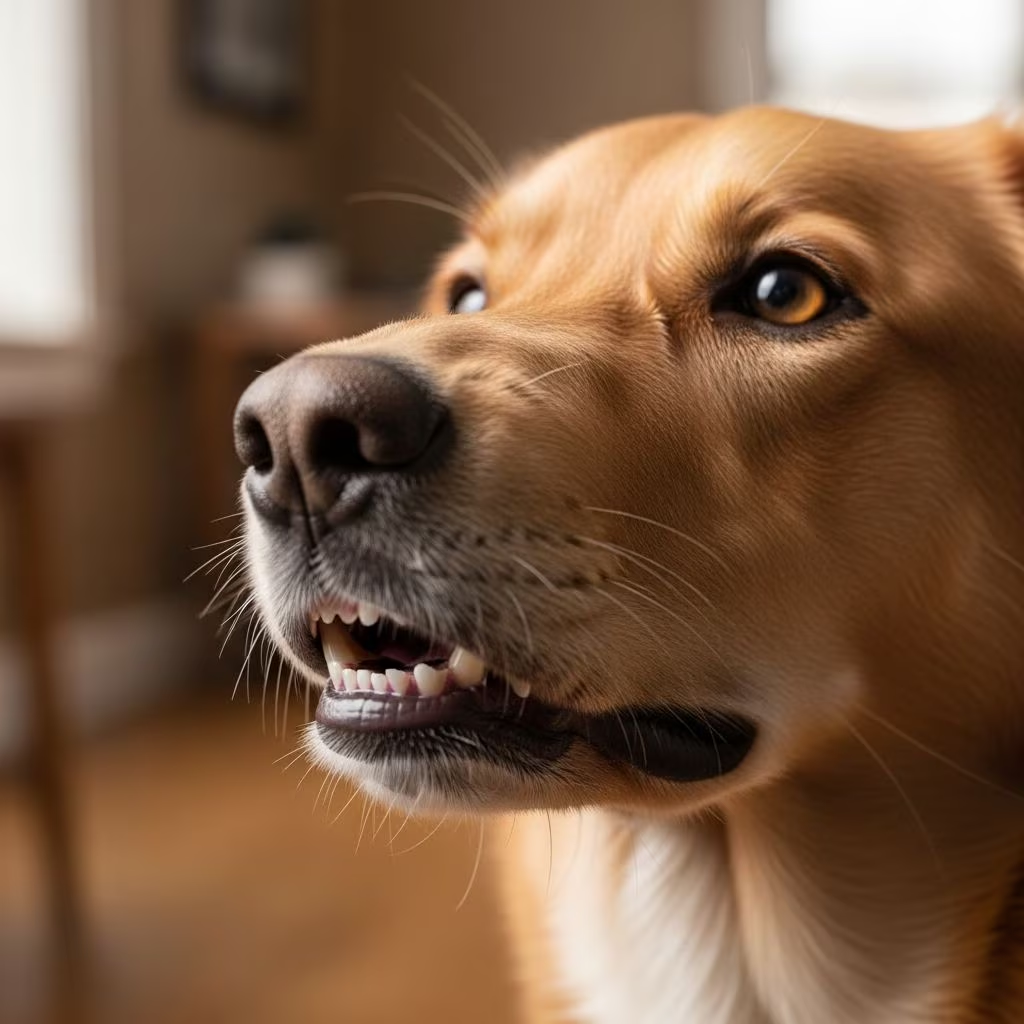
Dog teeth chattering, also known as jaw chattering or teeth rattling, is a peculiar behavior where a dog’s teeth rapidly click together. While it can seem amusing or odd, this action often serves as a communication signal or symptom of an underlying issue. Common triggers range from benign excitement to serious health concerns like dental pain or neurological disorders. Understanding the context—such as accompanying symptoms, frequency, and triggers—is key to determining if it’s normal or requires veterinary attention.
Observant pet owners notice this during play, after sniffing, or unexpectedly at rest. Unlike human chattering from cold, dogs rarely shiver teeth solely due to low temperatures unless severely hypothermic. Instead, it links to sensory processing, emotional states, or pain responses. Early recognition helps prevent escalation of potential problems.
What Does Dog Teeth Chattering Look Like?
Teeth chattering appears as quick, repetitive clacking of the upper and lower teeth, often with slight jaw tremors. It may involve lip curling, drooling, or head tilting. Episodes last seconds to minutes. Benign cases show relaxed body language; concerning ones pair with whining, pawing the mouth, or lethargy.
- Visual cues: Rapid tooth clicking, sometimes audible.
- Duration: Brief in excitement; prolonged in pain.
- Body language: Tail wagging (excitement) vs. tucked tail (anxiety).
Videos from veterinary sites depict it clearly: a dog ‘champing’ jaws post-sniffing or during stress.
7 Reasons Why Dogs Chatter Their Teeth
Several factors explain this behavior. Here’s a breakdown of the most common causes, supported by veterinary insights.
1. Excitement or Anticipation
Dogs often chatter teeth when thrilled, like seeing a favorite toy, anticipating walks, or mealtime. This physical outburst accompanies wagging tails, bouncing, and play bows. Breeds like retrievers or herders show it more due to high energy.
It’s a harmless overflow of joy, similar to human giggling. No treatment needed unless excessive, signaling over-stimulation.
2. The Flehmen Response (Scent Detection)
A classic non-medical cause: dogs chatter after strong scents, especially pheromones in urine or animal odors. This ‘Flehmen response’ draws scents to the vomeronasal organ via jaw movements, aiding chemical analysis.
Observe lip curling upward with fluttering nostrils—common in hounds or during walks. It’s instinctual, brief, and normal. No concern unless constant without scents.
3. Stress, Fear, or Anxiety
Emotional distress triggers chattering as a coping mechanism. Scenarios include thunderstorms, vet visits, separation, or new environments. Accompanying signs: pacing, whining, panting, hiding.
Anxiety amplifies in noise-sensitive or rescue dogs. Management involves desensitization, calming aids like pheromone diffusers, or behavioral training. Persistent cases warrant vet checks for underlying issues.
4. Feeling Cold
Though less common, severe cold causes full-body shivering, including jaw quaking. Short-haired breeds or wet dogs outdoors are prone. Indoor chattering rarely ties to temperature unless ill.
Warm them promptly; monitor for hypothermia signs like weakness or blue gums.
5. Dental or Oral Pain
The top medical cause: mouth discomfort from broken teeth, abscesses, gum disease, ulcers, or growths. Pain provokes reflexive chattering, especially when eating or yawning.
- Symptoms: Bad breath, drooling, blood, face swelling, one-sided chewing.
- Risk factors: Older dogs, poor dental hygiene.
Annual cleanings prevent this; immediate vet exam needed.
6. Temporomandibular Joint (TMJ) Disorders or Jaw Issues
TMJ pain from arthritis, fractures, or misalignment causes chattering. Vets assess by manipulating the jaw for grinding or resistance.
Imaging (X-rays, CT) confirms; treatments include pain meds, surgery.
7. Neurological Conditions and Seizures
Serious but rarer: focal seizures, tremors, or disorders like shaker syndrome manifest as isolated jaw chattering.
Watch for disorientation, full-body shakes, dilated pupils. Emergency vet care essential; diagnostics include bloodwork, MRI.
Other Causes of Dog Teeth Chattering
Gastrointestinal upset—nausea, reflux, ulcers—prompts grinding or chattering with drooling/vomiting. Lab tests, ultrasound diagnose.
Rarely, medications or toxins induce tremors mimicking chattering.
When Should I Worry About Dog Teeth Chattering?
Harmless if occasional, contextual (e.g., post-sniff), with happy demeanor. Worry if:
- Frequent/persistent (daily/multiple times).
- Paired with pain signs: drooling, appetite loss, swelling.
- Neurological hints: seizures, imbalance.
- Sudden onset in older dogs.
Table of red flags:
| Symptom | Potential Cause | Action |
|---|---|---|
| Drooling + bad breath | Dental pain | Vet dental exam |
| Body tremors | Neurological/seizure | Emergency vet |
| Refusal to eat | Oral/GI issues | Immediate check |
| Anxiety + pacing | Stress | Behavioral consult |
Video episodes for vets.
What Will the Vet Do?
History review: onset, triggers, symptoms. Physical exam focuses on mouth, jaw, neuro status.
Diagnostics:
- Oral inspection under sedation.
- Bloodwork for systemic illness.
- Imaging: X-rays, ultrasound, CT/MRI.
- GI endoscopy if nausea suspected.
How to Stop Dog Teeth Chattering
Treats underlying cause:
- Dental: Extractions, antibiotics, cleanings.
- TMJ: Anti-inflammatories, joint supplements.
- Anxiety: Meds (e.g., fluoxetine), CBD, training.
- Seizures: Anti-convulsants like phenobarbital.
- Prevention: Dental chews, routine checkups, stress reduction.
Frequently Asked Questions (FAQs)
Is teeth chattering in dogs dangerous?
Usually not, but persistent cases signal pain or illness needing vet evaluation.
Why do dogs chatter their teeth after smelling something?
Flehmen response processes pheromones via vomeronasal organ—normal behavior.
Can teeth chattering mean my dog is cold?
Possible in extreme cold, but rare indoors; check for shivering.
Does teeth chattering indicate seizures?
Yes, if with other neuro signs like twitching—seek urgent care.
How do I prevent dental-related chattering?
Daily brushing, dental diets, annual vet cleanings.
References
- Dog Teeth Chattering: Causes and What To Do — PetMD. 2023-10-15. https://www.petmd.com/dog/symptoms/dogs-and-teeth-chattering-what-you-need-know
- Why is My Dog Chattering Its Teeth? — Pewaukee Veterinary Service. 2024-05-20. https://pewaukeeveterinaryservice.com/blog/dog-chattering-teeth/
- Chattering Teeth in Dogs: Possible Causes — Your Pet Dentist. 2024-02-10. https://yourpetdentist.com/why-do-my-dogs-teeth-chatter/
- Dog Teeth Chattering: Why It Happens & What It Means — PetLab Co. 2023-11-05. https://thepetlabco.com/learn/dog/behavior/dog-teeth-chattering
- Why are My Dog’s Teeth Chattering in Boxborough, MA? — Veterinary Dental. 2024-01-12. https://veterinarydental.com/dog-teeth-chattering/



