

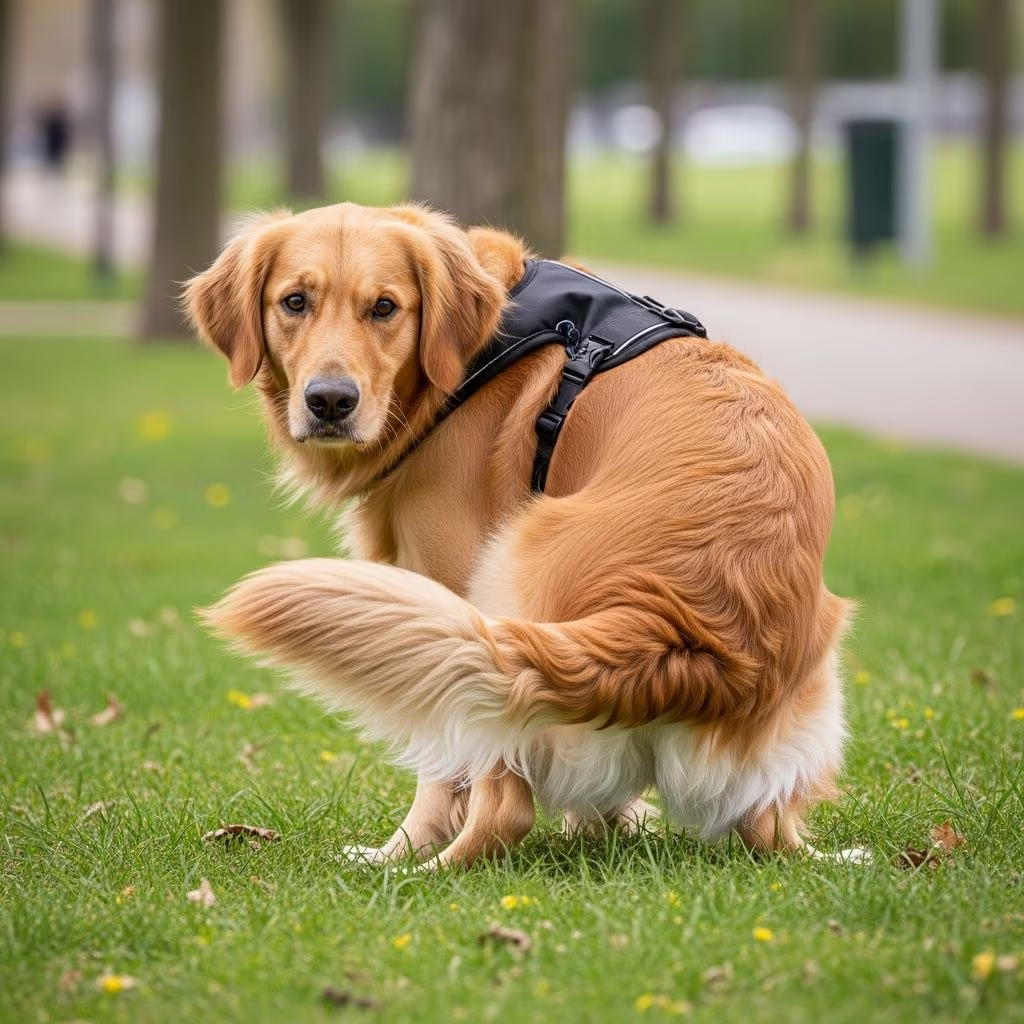
This quirky canine habit puzzles many pet parents: during a routine bathroom break, your dog suddenly locks eyes with you, holding that intense gaze until they’re done. Far from embarrassment or judgment, this behavior stems from deep-rooted instincts, profound trust, and pack dynamics. Understanding it strengthens your bond and helps you respond appropriately.
The Vulnerability Factor: A Survival Instinct from the Wild
When a dog assumes the pooping position—rear elevated, legs splayed—they enter a state of extreme physical vulnerability. In the wild, this posture hinders quick escape or defense against predators, making it a high-risk moment. Wild canids, like wolves, rely on pack members to stand guard during elimination, scanning for threats while the vulnerable individual focuses.
Domesticated dogs retain this hardwired response. By staring at you, their perceived pack leader, they’re enlisting your protection. “Dogs look to their owners for reassurance, ensuring someone has their back,” explains veterinarian Rochelle Hartson, DVM. This eye contact signals, “Watch out for me—I’m exposed.” It’s not personal awkwardness; it’s primal survival programming transitioned to modern backyards.
Observe the sequence: Your dog circles to select the ideal spot (often facing a specific direction due to magnetic field sensitivity, per some studies), squats, then pivots their head for eye contact. Those soulful, seemingly sad eyes? Pure instinct, not emotion.
Pack Hierarchy and Trust: You’re the Alpha Guardian
Dogs are pack animals with innate social hierarchies. They view their human family as the pack, positioning you as the alpha. Staring conveys respect, deference, and reliance on your vigilance. This gaze reinforces your role as protector, deepening the human-canine partnership.
Eye contact also boosts oxytocin, the “love hormone,” fostering attachment. Just as mutual gazes between dogs and owners release feel-good chemicals during cuddles, this bathroom stare strengthens emotional bonds. It’s your dog’s way of saying, “I trust you completely with my safety”. In essence, that unblinking stare during their most private act is a compliment to your leadership and reliability.
Communication and Learned Associations
Beyond protection, the stare serves as communication. Dogs use body language and glances to convey needs or check-ins. During potty time, they might confirm the environment is safe or seek positive reinforcement from house training—praise, treats, or attention they’ve associated with successful elimination.
It’s multitasking: pooping while staying alert. The stare keeps tabs on you (primary guardian) and surroundings, blending vigilance with connection. If you’ve rewarded past potty successes with eye contact or verbal cues, they’ve linked it to positivity.
Other Theories: Debunking Common Myths
Not every stare fits neatly into one box. Some experts note it could simply be happenstance—you’re in their line of sight as they naturally scan. Anthropomorphism leads us to project human shame or pleading onto dogs, but they lack such inhibitions. No embarrassment here; just practical awareness.
- Myth: Dogs feel awkward or embarrassed. False—they have no concept of potty privacy like humans.
- Myth: It’s begging for privacy. Opposite: They’re inviting your protective presence.
- Myth: Only anxious dogs do this. Normal for most; anxiety shows via other signs like whining or pacing.
Is This Normal? When to Worry About Changes
Staring while pooping is standard across breeds, ages, and settings—home yards or walks. Puppies learn it early; seniors continue lifelong. However, monitor for red flags indicating health or stress issues:
| Normal Behavior | Concerning Signs |
|---|---|
| Relaxed body, steady calm gaze, normal poop consistency | Strained staring, whining, circling excessively, diarrhea/constipation |
| Ends stare post-poop, resumes play | Anxious posture (tail tucked, ears back), accidents indoors |
| Consistent in familiar/safe areas | Sudden onset or worsening in previously confident dogs |
Changes like discomfort, incomplete elimination, or stress signals warrant a vet visit—could signal gastrointestinal issues, pain, or anxiety. Trust your instincts; you’re attuned to your dog’s baseline.
How to Respond: Building Confidence and Comfort
Should you stare back? It depends on comfort. Maintaining calm eye contact reassures them, mimicking pack vigilance without threat. Avoid intense staring, which some dogs read as challenge; soft, supportive acknowledgment works best.
Tips for Home Potty Breaks:
- Stand nearby but non-intrusively—let them see you as guardian.
- Use a soothing voice: “Good watch, I’ve got you.”
- Consistent routine builds security; vary spots gradually.
On Walks:
- Choose quiet areas initially; scout for privacy.
- Leash provides connection; loose lead allows natural positioning.
- Reward completion with praise, reinforcing positivity.
Repositioning behind them reduces eye contact if awkward, but facing often comforts. Never punish—their trust is precious. Foster independence via training, but embrace this as bonding.
Strengthening Your Bond Through Understanding
This stare celebrates your role: protector, leader, confidant. It echoes millennia of domestication, where dogs traded wild independence for human partnership. Next backyard break, meet their gaze knowing it’s vulnerability met with loyalty—a silent pact of mutual reliance.
Expand awareness to other behaviors: tail wags, play bows. Each reveals their world. Consult vets or behaviorists for tailored advice; tools like puzzle feeders enhance mental security, reducing reliance.
Frequently Asked Questions (FAQs)
Q: Do dogs like to be watched when they poop?
A: Preferences aside, it’s about safety over comfort. They prioritize pack vigilance during vulnerability, not privacy.
Q: What if my dog stares at me on the toilet?
A: Reciprocal trust! They guard you, mirroring pack loyalty. Enjoy the role reversal if comfortable.
Q: Should I look away when my dog poops?
A: Optional—calm presence reassures; averting feels natural to some. Position behind to minimize if preferred.
Q: Does staring mean my dog is anxious?
A: Typically trust/communication. Paired with stress (pacing, trembling)? Vet check recommended.
Q: Will my dog outgrow staring while pooping?
A: Instinctual, persists lifelong unless health intervenes.
Q: Should I reward eye contact during pooping?
A: Gentle praise ok if house training link; avoid over-reinforcing to prevent dependency.
References
- Dog Science Series: Why Do Dogs Stare at You When They Poop? — Animals Matter. 2023-05-15. https://animalsmatter.com/blogs/news/dog-science-series-why-do-dogs-stare-at-you-when-they-poop
- Why Does My Dog Stare at Me While Pooping? — Pet Pavilion. 2024-02-10. https://www.petpavilion.ae/blog/why-does-my-dog-stare-at-me-while-pooping
- The Curious Gaze: Why Do Dogs Look at You When They Poop? — Spark Paws. 2023-11-20. https://www.sparkpaws.com/blogs/community/why-do-dogs-look-at-you-when-they-poop
- Why Does My Dog Stare At Me While Pooping? — ISCDT. 2024-01-05. https://iscdt.com/why-does-my-dog-stare-at-me-while-pooping/
- Why Do Dogs Look at You When They Poop? — PetMD (veterinarian-reviewed). 2024-08-12. https://www.petmd.com/dog/behavior/why-do-dogs-look-at-you-when-they-poop



