

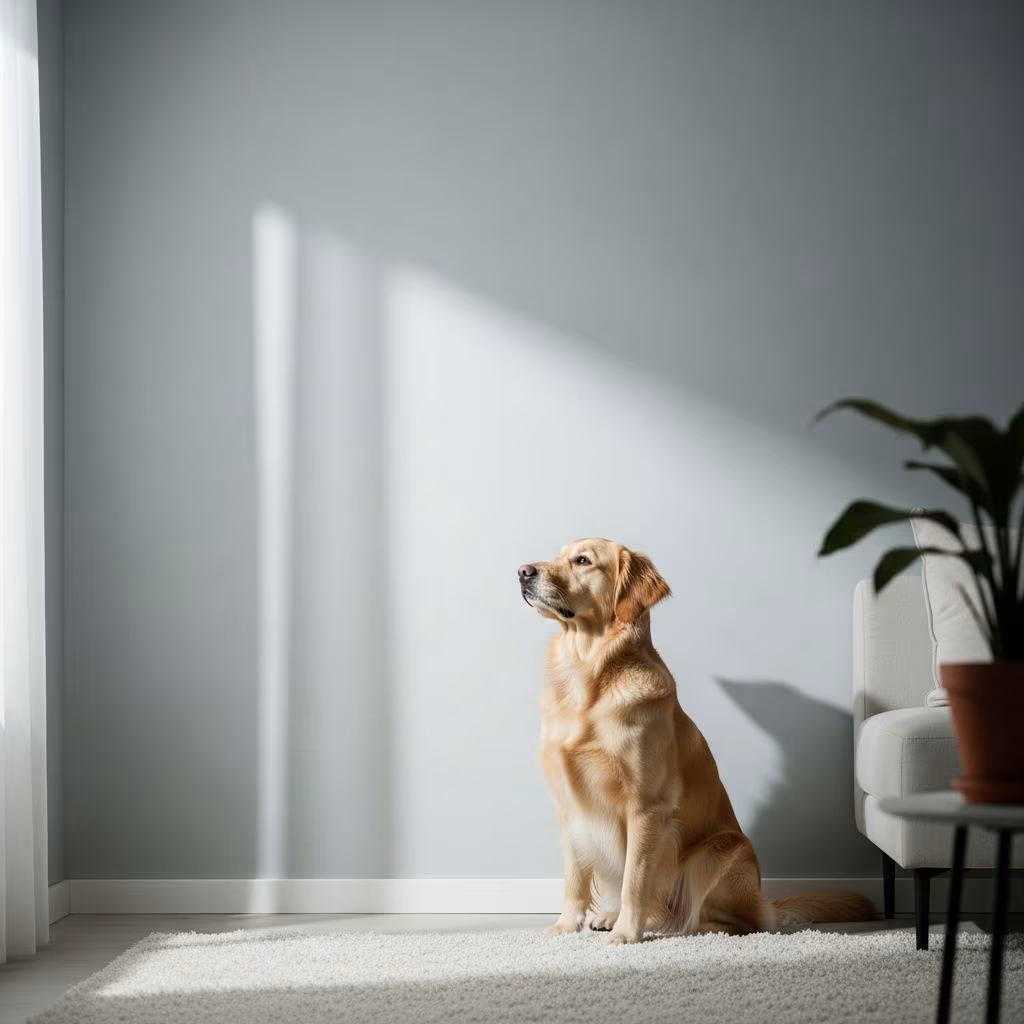
Why Does My Dog Stare at the Wall? A Comprehensive Guide
If you’ve noticed your dog staring intently at a wall with no apparent reason, you’re not alone. This behavior puzzles many dog owners, but understanding the cause is essential for your pet’s wellbeing. According to certified canine behavior consultant Jenn Stanley, CPDT-KA CBCC-KA, “the most common reason that dogs do this is their hearing has picked up something that we didn’t notice, and they’re trying to place it or track it.” However, wall staring can stem from various causes, ranging from completely benign to potentially serious medical conditions.
Normal Reasons Your Dog May Stare at the Wall
1. Superior Hearing Abilities
Dogs possess significantly better hearing than humans, especially at higher frequencies. This heightened auditory sense means your dog may detect sounds from inside walls, under floorboards, or in neighboring areas that are completely inaudible to human ears. When dogs hear these sounds, they often pause and stare in the direction of the noise as they attempt to locate and identify the source.
According to Stanley, “dogs have significantly better hearing than humans at higher pitches. So, it’s very common for dogs to hear road or neighborhood noise and pause to think about what it is and if it warrants a reaction.” These sounds might include:
- Mice or other rodents moving within walls
- Insects scurrying behind baseboards
- Distant traffic or neighborhood activity
- Plumbing noises or HVAC systems
- Ultrasonic frequencies from electronic devices
This behavior is completely normal and typically nothing to worry about. However, if you notice it happening frequently or for extended periods, it’s worth investigating to rule out other possibilities.
2. Visual Sensations Your Dog Perceives
Dogs may stare at walls due to visual phenomena that only they can see. One such possibility is floaters—small particles that float within the eye’s vitreous humor. When these floaters drift across a dog’s vision, they may appear as small objects moving on the wall, causing your dog to track them with intense focus.
Additionally, dogs may react to shadows, light reflections, or movement patterns that seem insignificant to humans but capture their attention. Changes in lighting throughout the day can create new visual stimuli that intrigue your canine companion.
3. Attention-Seeking Behavior
Sometimes, dogs learn that staring at the wall gets them attention from their owners. If you consistently respond to this behavior by asking what’s wrong, offering treats, or showing concern, your dog may repeat the behavior specifically to gain your attention. In these cases, the best approach is to avoid reinforcing the behavior by ignoring it unless other symptoms are present.
Medical Conditions Associated With Wall Staring
While many instances of wall staring are harmless, this behavior can sometimes indicate underlying medical issues. If your dog’s wall staring is new, frequent, or accompanied by other symptoms, veterinary consultation is essential.
Canine Cognitive Dysfunction (CCD)
Canine Cognitive Dysfunction, often called “doggy dementia,” is similar to Alzheimer’s disease in humans and becomes increasingly common in senior dogs. This progressive neurological condition affects memory, awareness, and behavior. Wall staring is one of the primary indicators of CCD and often accompanies other symptoms.
Common signs of CCD include:
- Staring at walls or getting stuck in corners
- Disorientation and confusion about familiar surroundings
- Changes in sleep-wake cycles (often called “sundowners syndrome”)
- Increased anxiety, particularly separation anxiety
- Loss of interest in family members and favorite activities
- Lethargy and reduced motivation for play
- Nighttime whining and pacing
- Accidents in the house despite being previously housetrained
- Forgetting the location of food dishes or familiar furniture
- Barking at nothing, especially during dusk or nighttime hours
Unfortunately, CCD is not curable, but veterinarians can prescribe treatments and lifestyle modifications to slow progression and improve quality of life. Early detection and management are crucial for maintaining your senior dog’s wellbeing.
Seizures and Partial Seizures
Dogs experiencing seizures or partial seizures may stare at walls due to hallucinations or temporary changes in vision and hearing that occur during or after seizure episodes. Seizure activity can be particularly concerning and requires immediate veterinary attention, especially if accompanied by other symptoms such as muscle tremors, loss of consciousness, or uncontrolled movements.
Brain Tumors
While less common, brain tumors can affect a dog’s vision and cause disorientation, leading to wall staring behavior. Brain tumors may also cause additional neurological symptoms including loss of balance, changes in gait, or behavioral abnormalities. Any suspected brain tumor requires urgent veterinary evaluation and possible imaging studies.
Compulsive Behavior Disorders
Canine compulsive disorder is a behavioral condition where dogs repeatedly perform behaviors without apparent cause or reason. Dogs with this condition often cannot be easily distracted from their repetitive actions. Wall staring may develop as a compulsive behavior, particularly when combined with other stereotypic behaviors such as:
- Chasing non-existent objects
- Excessive pacing or circling
- Barking at nothing
- Tail biting or chasing
- Excessive digging
- Repetitive fence running
- Fly biting (snapping at imaginary insects)
- Excessive water drinking
- Obsessive licking or chewing on specific body areas
Compulsive behaviors often worsen over time without intervention. Early recognition and treatment by a veterinary behaviorist can help prevent escalation.
Anxiety Disorders
Dogs of any age or breed can develop anxiety, which may manifest as wall staring. Anxious dogs often display other behavioral signs including excessive whining, pacing, destructive behavior, barking, panting, drooling, and attempts to hide or escape. Anxiety-related wall staring may be accompanied by a tense body posture and wide, fearful eyes.
Inflammatory Neurological Conditions
Inflammation of the nervous system—including encephalitis (brain inflammation), meningitis (membrane inflammation around the brain and spinal cord), myelitis (spinal cord inflammation), or granulomatous meningoencephalomyelitis (GME)—can cause wall staring and other neurological symptoms. These conditions are serious and require prompt veterinary diagnosis and treatment.
Vision Loss
Senior dogs experiencing vision loss or complete blindness may stare at walls or into space because they cannot see their surroundings clearly. Conditions like cataracts, glaucoma, or Sudden Acquired Retinal Degeneration Syndrome (SARDS) can cause progressive vision loss. Blind or low-vision dogs may also bump into objects or show reluctance to move.
Lethargy and Depression
Dogs experiencing pain, lethargy, or depression may stare at walls as a general sign of not feeling well. These dogs lack interest in normal activities and may be too tired or weak to change positions. Any persistent disinterest in activity warrants veterinary evaluation to rule out underlying health problems.
When to Consult Your Veterinarian
Contact your veterinarian if your dog’s wall staring is new, frequent, or accompanied by other symptoms. Keep detailed observations to share with your vet, including:
- How often and for how long your dog stares at walls
- Whether specific triggers seem to cause the behavior
- Any other behavioral or physical symptoms present
- Changes in eating, drinking, or bathroom habits
- Alterations in sleep patterns
- Signs of confusion or disorientation
- Changes in how your dog interacts with family members
- Any instances of head pressing (pushing head into corners or against objects)
- Loss of balance, weakness, or difficulty moving
- Vomiting, diarrhea, or other physical symptoms
Writing down these observations in a journal or on your phone ensures you have detailed information ready when your veterinarian asks questions during the examination.
Hearing Loss Considerations
Dogs with hearing loss in one ear may experience difficulty locating and understanding sounds, which can cause them to stare intently in one direction. “Dogs are very skilled at compensating, so sometimes they may have hearing loss in one ear that causes them to have trouble locating and understanding sounds,” according to behavioral experts. If you suspect hearing issues, your veterinarian can perform hearing tests and recommend appropriate management strategies.
Frequently Asked Questions
Q: Is wall staring always a sign of a serious medical problem?
A: No. The most common reason dogs stare at walls is their superior hearing detecting sounds humans cannot hear. However, if the behavior is new, frequent, or accompanied by other symptoms, veterinary evaluation is recommended to rule out medical conditions like cognitive dysfunction or seizures.
Q: Can anxiety cause a dog to stare at walls?
A: Yes. Anxiety can manifest as wall staring, often accompanied by other signs like pacing, whining, panting, and destructive behavior. A veterinarian or veterinary behaviorist can help determine if anxiety is the cause and recommend appropriate treatment options.
Q: What is canine cognitive dysfunction?
A: Canine cognitive dysfunction (CCD) is a progressive neurological condition similar to Alzheimer’s in humans, common in senior dogs. It causes disorientation, behavior changes, and sleep disruptions. While incurable, management strategies can improve quality of life.
Q: Should I be worried if my young dog stares at the wall?
A: Young dogs staring at walls are usually responding to sounds or visual stimuli. However, if the behavior is obsessive, accompanied by other compulsive behaviors, or concerning, consult your veterinarian to rule out behavioral or medical issues.
Q: How can I tell if my dog’s wall staring is a medical emergency?
A: Seek immediate veterinary attention if wall staring is accompanied by seizures, loss of consciousness, weakness, inability to stand, head pressing, or sudden behavioral changes. These signs may indicate serious neurological conditions requiring urgent care.
Q: What should I do if my dog stares at the wall?
A: Observe the frequency and context of the behavior. Note any accompanying symptoms and discuss them with your veterinarian during your next appointment. If concerned about new or frequent behavior, schedule a check-up sooner to ensure your dog’s health and wellbeing.
References
- Why Is My Dog Staring at the Wall? — American Kennel Club (AKC). 2025. https://www.akc.org/expert-advice/health/why-dog-staring-at-wall/
- Why Is My Dog Staring at the Wall? — Chewy Education. 2025. https://www.chewy.com/education/dog/training-and-behavior/why-is-my-dog-staring-at-the-wall
- Dog Staring at the Wall or Staring Into Space? 10 Reasons — Toe Grips. 2025. https://toegrips.com/dog-staring-at-the-wall/



