

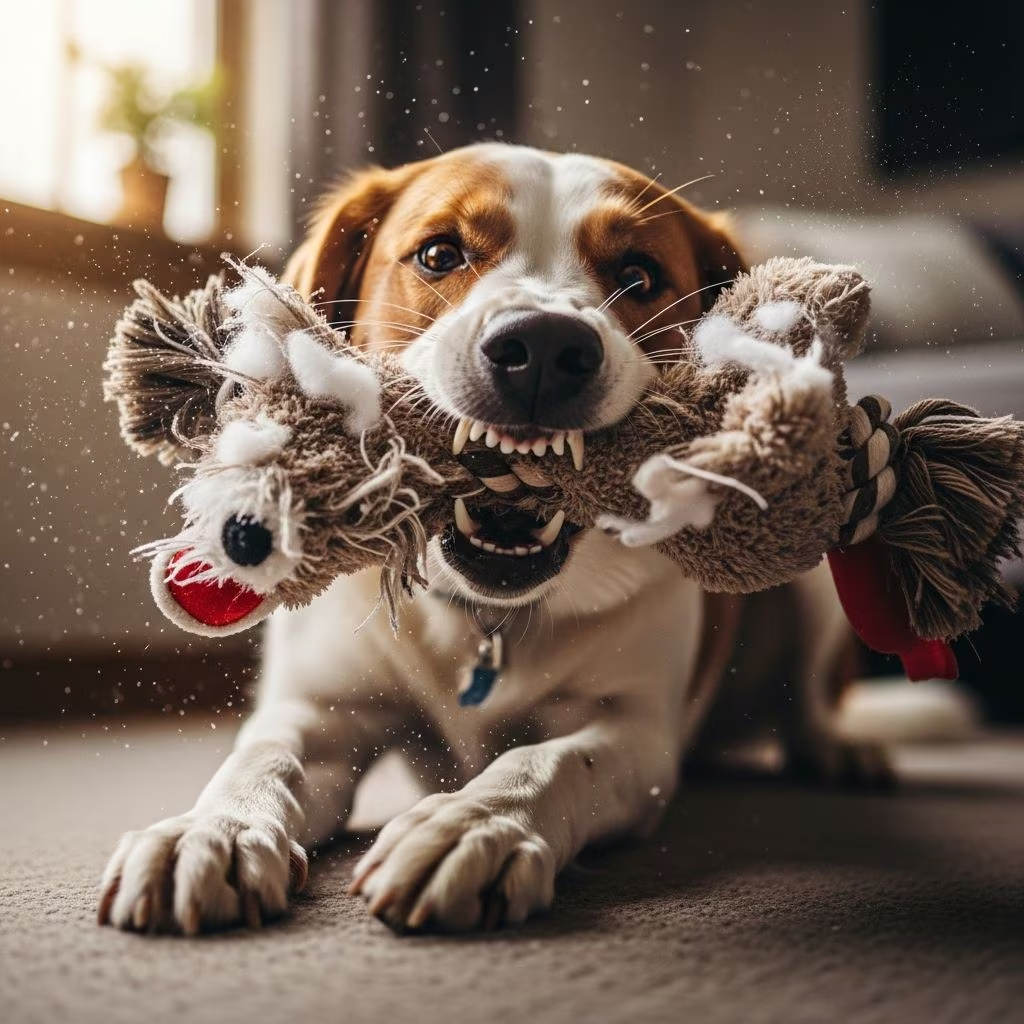
Dogs shredding toys is a common behaviour rooted in their natural instincts, environmental needs, and sometimes underlying issues like boredom or anxiety. This article explores the key reasons why dogs destroy their toys and provides actionable strategies to manage it effectively, ensuring both your dog’s enjoyment and your home’s safety.
It’s perfectly natural
Shredding toys mimics ancestral hunting behaviours where dogs would tear apart prey to access food or simulate kills. Modern toys, especially squeaky plush ones, trigger this prey drive because the squeak resembles a distressed animal’s cry, making destruction rewarding and fun for the dog.
For dogs, toys aren’t mere playthings; they are outlets for primal instincts. Puppies and high-energy breeds like Terriers or Retrievers are particularly prone, as shaking and ripping satisfies genetic urges inherited from wolves. This behaviour feels good neurologically, releasing endorphins similar to successful hunts.
Understanding this normalcy prevents owners from punishing dogs unnecessarily, which can lead to anxiety. Instead, channel it appropriately to keep play sessions engaging without constant replacements.
Breed tendencies
Certain breeds exhibit stronger tendencies to shred toys due to their genetics and historical roles. Herding breeds like Border Collies may nip and tear during play, while hounds use their strong jaws honed for tracking.
- High-prey drive breeds: Jack Russell Terriers, Staffordshire Bull Terriers, and Labradors often view toys as prey to dismantle.
- Power chewers: Breeds like German Shepherds and Pit Bulls require ultra-durable toys to match their bite strength.
- Low shredders: calmer breeds such as Bulldogs or older dogs may prefer gentler chewing.
Match toys to breed traits: aggressive pullers need tug-resistant options, while soft-mouth retrievers suit lighter plush. Age factors in too—puppies under 18 months shred more due to teething and exploration.
Teething
Puppies between 3-6 months experience intense teething, where emerging adult teeth cause gum discomfort, prompting vigorous chewing on anything available, including toys. Signs include drooling, pawing at the mouth, and preference for hard surfaces.
This phase typically lasts until 7-8 months but can extend in large breeds up to 2 years. Soft toys disintegrate quickly, leading to ingestion risks like choking or intestinal blockages, which manifest as vomiting, lethargy, or abdominal pain.
- Provide frozen nylon bones or rubber Kongs filled with chilled peanut butter for relief.
- Avoid small parts; supervise all play to prevent swallowing fluff or plastic.
- Gently massage gums during sessions to soothe irritation.
Post-teething, destruction often decreases if proper habits form early.
Enrichment
Insufficient mental and physical stimulation leads to boredom, where dogs turn to toy destruction for entertainment. Dogs need 30-60 minutes of daily exercise plus brain games to prevent frustration.
| Enrichment Type | Examples | Benefits |
|---|---|---|
| Physical | Walks, fetch, agility | Burns energy, reduces hyperactivity |
| Mental | Puzzle toys, treat dispense | Boosts problem-solving, prevents boredom |
| Social | Playdates, training classes | Improves behaviour, builds confidence |
Interactive toys like those with hidden treats keep dogs occupied for hours, mimicking foraging. Rotate 4-6 toys weekly to maintain novelty and extend lifespan. Neglect here reinforces destructive habits as a self-entertainment default.
Separation anxiety and stress
Anxiety manifests as excessive shredding when alone, often paired with barking, pacing, or house soiling. Triggered by changes like owner absences or household stress, dogs destroy to self-soothe.
Signs include toys targeted only during isolation or sudden onset post-life events. Unlike playful destruction, anxious shredding appears frantic with remains scattered widely.
- Desensitize with short departures, rewarding calm.
- Use calming aids like heartbeat-stuffed toys for comfort.
- Consult vets for severe cases; rule out medical issues first.
Stress from family tension transfers to pets, amplifying toy targeting as an emotional outlet.
Learned behaviour
Owners unwittingly reinforce shredding by lavishing attention during destruction or providing toys constantly. Puppies learn it’s fun when praised for aggressive play, perpetuating into adulthood.
Free access leads to overkill; toys should be rewards, not always available. Rotate and supervise to teach appropriate play. Interrupt destruction calmly, redirecting to approved items with treats.
Solutions
Durable toys
Invest in breed-appropriate, heavy-duty toys like rubber Kongs, nylon bones, or layered canvas for power chewers. Avoid flimsy plush unless supervised.
- Extreme durability: Black Kong Extreme, Goughnuts.
- For light chewers: Rope toys, textured rubber.
- Test toys: If destroyed in under 2 hours, upgrade.
Training tips
Use positive reinforcement: Teach “leave it” and “drop it” with high-value treats. Practice daily 5-minute sessions.
- Interrupt mid-shred with a cue, swap for a chew toy.
- Never chase; it becomes a game.
- Confine unsupervised to crate with safe toy.
Toy rotation
Cycle toys every 3-7 days to preserve novelty. Store out of sight; introduce as “new” for excitement. This prevents boredom-induced destruction and saves money.
Exercise and mental stimulation
Aim for breed-specific activity: High-energy dogs need 2 hours daily of runs, hikes, or fetch. Puzzle feeders and scent games tire the mind.
- Scent walks: Let sniffing lead for 20 minutes.
- Training: Teach tricks like spin or weave.
- Interactive play: Hide-and-seek with toys.
Health and safety
Ingestion risks are serious: Shredded foam or plastic can cause blockages requiring surgery. Monitor for symptoms like refusal to eat or bloody stool; seek vet immediately.
Regular check-ups rule out dental pain or nutritional deficiencies fuelling chewing. Spay/neuter may reduce hormone-driven aggression in toys.
Frequently Asked Questions (FAQs)
Q: Why does my dog suddenly start shredding toys more aggressively?
A: Sudden increases often stem from boredom, stress, or teething. Assess recent changes and boost exercise/stimulation.
Q: At what age do dogs typically stop destroying toys?
A: Most mature out by 2-3 years with training, though high-drive breeds continue. Puppies peak during teething.
Q: Are there toys dogs can’t destroy?
A: No toy is indestructible, but heavy-duty ones like Kong Extreme last longer. Supervise always.
Q: Is shredding a sign of aggression?
A: Rarely; it’s usually play. Watch for growling/snapping with toys—that warrants professional help.
Q: How can I stop my dog from eating toy pieces?
A: Use non-ingestible materials, supervise play, and train “drop it.” Pick up remains immediately.
References
- Why Do Dogs Destroy Toys and How to Prevent? — BeaRegards. 2023-05-15. https://bearegards.com/blogs/news/why-do-dogs-destroy-toys
- 11 Reasons Your Dog Loves To Destroy Their Toys — BARK. 2022-11-10. https://bark.co/blogs/bark-post/dogs-love-destroying-toys
- Help! My Dog is Destroying All Their Toys! — Woof Like To Meet. 2021-10-20. https://www.woofliketomeet.com/2021/10/help-my-dog-is-destroying-all-their-toys/
- 4 Reasons Your Dog Destroys Their Toys — CanadaVet. 2023-08-12. https://canadavet.com/blog/4-reasons-your-dog-destroys-their-toys
- Got a Toy-Destroying Dog? Here’s What’s Happening and How to Help — Cheerble. 2024-02-28. https://cheerble.com/blogs/cheerble-blog/dog-toy-destruction-solutions



