

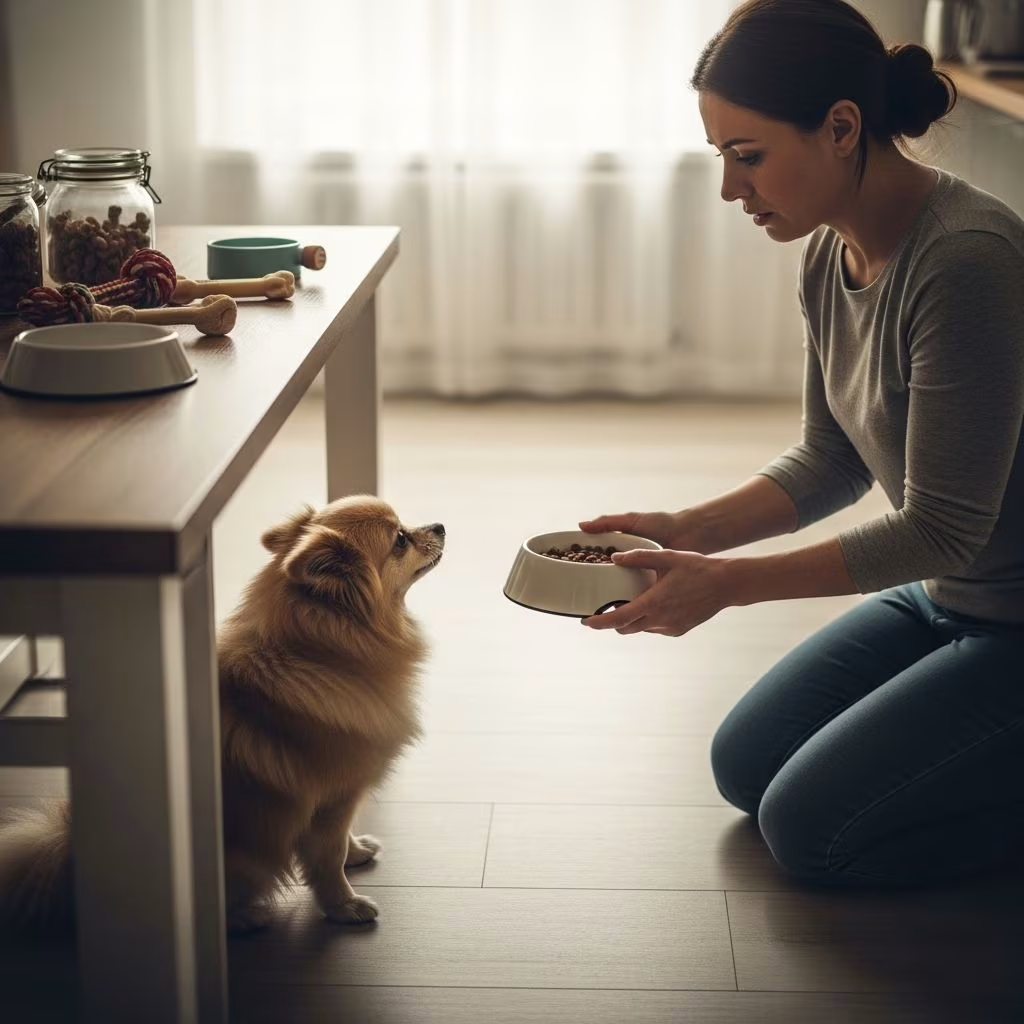
Dogs typically have hearty appetites, but sudden refusal to eat can signal underlying issues ranging from minor pickiness to serious health problems. Understanding the triggers helps pet owners respond effectively, ensuring timely intervention when needed.
Recognizing Appetite Loss in Dogs
A healthy dog eagerly approaches mealtime, but changes like skipping meals for 24-48 hours warrant attention. Puppies and seniors may show variable patterns, yet persistent refusal often points to discomfort or disease. Monitor for accompanying signs such as lethargy, vomiting, or diarrhea to gauge severity.
Health-Related Reasons for Refusal
Medical conditions frequently underlie a dog’s disinterest in food. Gastrointestinal disturbances top the list, including infections, blockages from swallowed objects, or chronic issues like inflammatory bowel disease. These cause nausea, reducing the desire to eat.
Dental problems, such as fractured teeth, gum infections, or periodontal disease, make chewing painful, leading dogs to avoid kibble especially. Check for bad breath, drooling, or pawing at the mouth as indicators.
Systemic illnesses like kidney failure, liver disease, pancreatitis, or cancer suppress appetite through general malaise. Heartworm or infections further contribute by causing widespread discomfort.
Pain from arthritis, hip dysplasia, or injuries hinders access to food bowls, particularly in older dogs. Joint stiffness makes bending painful, resulting in untouched meals.
| Condition | Symptoms | Action |
|---|---|---|
| Gastrointestinal Issues | Vomiting, diarrhea, bloating | Vet exam, fasting then bland diet |
| Dental Disease | Bad breath, loose teeth, drooling | Dental checkup, soft food transition |
| Organ Dysfunction | Lethargy, weight loss, thirst changes | Blood tests, imaging |
| Musculoskeletal Pain | Limping, reluctance to move | Pain meds, joint supplements |
Medication and Toxin Effects
New prescriptions or over-the-counter drugs can provoke nausea or taste aversion, curbing hunger. Recent vaccinations occasionally trigger temporary anorexia as the immune system responds. Toxins from household items or garbage scavenging mimic illness symptoms, demanding immediate vet consultation.
Age-Specific Appetite Challenges
Puppies teething may shun hard foods due to sore gums, preferring soft options temporarily. Seniors face cognitive dysfunction, forgetting meals or losing interest amid sensory decline. Large breeds and adolescents often exhibit feast-or-famine cycles naturally.
Behavioral and Environmental Factors
Stress from routine disruptions—moves, new pets, fireworks, or family changes—induces anxiety, halting eating. Separation anxiety peaks when owners leave, with dogs waiting for return.
Picky eating stems from inconsistent feeding, table scraps, or over-reliance on treats, fostering expectations of gourmet meals. Finicky dogs hold out for preferred flavors.
- Household members sneaking extras inflate calorie intake, spoiling appetite.
- Sudden diet switches upset stomachs, causing refusal until adjustment.
- Clean bowls matter; stale remnants deter eating.
Diet and Feeding Habit Influences
Overfeeding or excessive treats exceed daily needs, filling dogs before meals. Limit treats to 10% of calories to prevent obesity and maintain hunger.
Warm weather reduces appetite in summer, while dry kibble aversion grows with illness or dental woes. Wet food or warmed kibble enhances aroma, tempting reluctant eaters.
Table scraps create imbalances, leading to selective eating. Stick to balanced commercial diets tailored to age, size, and activity.
Practical Solutions to Restart Eating
Rule out medical causes first: withhold food 12-24 hours (water always available), then offer bland boiled chicken and rice. Gradually reintroduce regular food.
Enhance appeal by adding warm water to kibble, mixing with wet food, or using toppers like plain yogurt sparingly. Elevate bowls for joint comfort.
Establish routine: feed at set times, remove uneaten food after 15-20 minutes to build hunger. Exercise before meals stimulates appetite.
Minimize stress with quiet feeding areas, pheromone diffusers, or puzzle toys for mental engagement.
When to Seek Veterinary Help Urgently
Contact a vet if refusal lasts over 48 hours (24 for puppies/seniors), or accompanies vomiting, bloody stool, swelling, or weakness. Diagnostic tools like bloodwork, X-rays, or ultrasounds pinpoint issues.
Dehydration risks rise quickly; test by pinching skin—if slow to snap back, seek care immediately.
Preventing Future Appetite Issues
Annual checkups catch dental or organ problems early. Maintain oral hygiene with brushes or additives. Track weight and adjust portions via vet guidance.
Consistent schedules and quality food prevent pickiness. Rotate flavors gradually to keep interest without upset.
Frequently Asked Questions
Is it normal for dogs to skip a meal?
Occasionally yes, especially if treats filled them or weather is hot. Persistent skips signal problems.
What if my dog won’t eat dry food only?
Often dental pain or nausea; try soaking kibble or switching temporarily to wet, but vet check advised.
Can stress really stop a dog from eating?
Yes, anxiety mimics illness; routine stability and comfort restore it.
How long before worrying about no eating?
48 hours for adults; sooner for vulnerable dogs. Accompanying symptoms accelerate urgency.
Are human foods safe to tempt picky eaters?
No—avoid; use vet-approved bland diets instead to prevent toxicity or imbalances.
References
- My Dog Is Not Eating: Causes and What To Do — Cherry Creek Vet. 2023. https://www.cherrycreekvet.com/blog/my-dog-is-not-eating-causes-and-what-to-do/
- Reasons why my dog won’t eat their food — The Royal Kennel Club. 2024. https://www.royalkennelclub.com/health-and-dog-care/health-dog-care/health/health-and-care/a-z-of-health-and-care-issues/reasons-why-my-dog-won-t-eat-their-food/
- Why is my dog not eating and what can I do? — Small Door Vet. 2024. https://www.smalldoorvet.com/learning-center/what-to-do/dog-wont-eat
- Why Won’t My Dog Eat? Causes and Solutions — Purina. 2023. https://www.purina.com/articles/dog/health/symptoms/why-is-my-dog-not-eating
- Why Is My Dog Not Eating? Causes and What To Do — PetMD. 2024. https://www.petmd.com/dog/symptoms/why-my-dog-not-eating
- Dog Not Eating? Possible Causes and Appetite Solutions — WebMD. 2023. https://www.webmd.com/pets/dogs/dog-not-eating-possible-causes-and-appetite-solutions
- 7 Reasons Why Your Dog Is Not Eating (and How to Help) — GoodRx. 2024. https://www.goodrx.com/pet-health/dog/not-eating



