

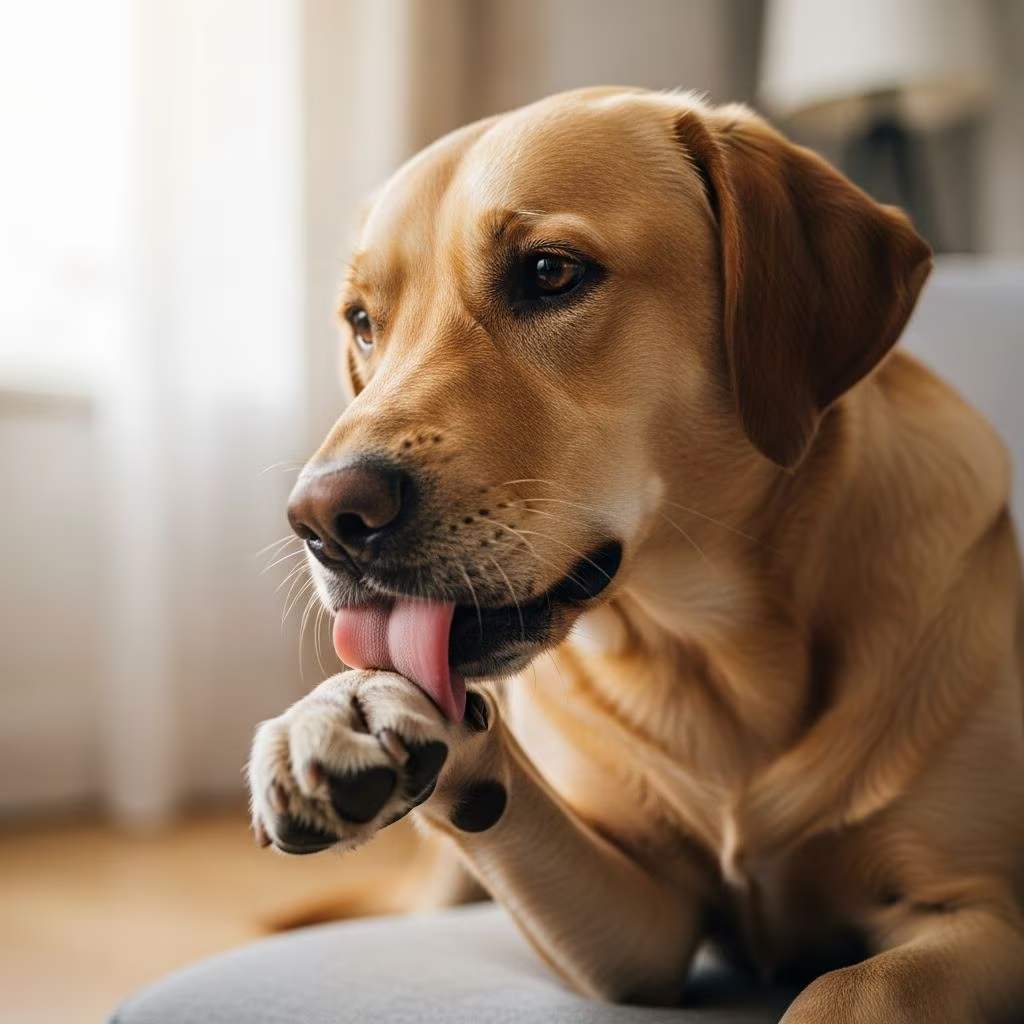
Why Is My Dog Licking His Paws So Much? Causes and Remedies
If you’ve noticed your dog constantly licking or chewing their paws, you’re not alone. This is one of the most common complaints veterinarians hear from dog owners. While occasional paw licking is normal grooming behavior, excessive licking can indicate an underlying health issue, behavioral problem, or environmental factor that needs attention. Understanding the root cause of your dog’s paw licking is the first step toward providing relief and improving your pet’s quality of life.
Understanding Excessive Paw Licking
Excessive paw licking in dogs is not just annoying behavior—it’s often a sign that something is bothering your furry companion. Dogs may lick their paws due to physical discomfort, psychological stress, or a combination of factors. Chronic paw licking can lead to serious complications, including infections, open sores, and permanent skin damage if left untreated. Recognizing when your dog’s licking has crossed from normal grooming to problematic behavior is crucial for their health and wellbeing.
Common Causes of Excessive Paw Licking
Atopic Dermatitis and Environmental Allergies
One of the most prevalent causes of excessive paw licking is atopic dermatitis, an inflammatory chronic skin disease triggered by allergic reactions to environmental substances. This condition affects many dogs and manifests when they come into contact with common allergens such as grass, mold spores, and house dust mites. These environmental allergens are similar to those that cause hay fever in humans, making atopic dermatitis a year-round or seasonal concern depending on your location and climate.
Dogs with environmental allergies often show additional symptoms beyond paw licking. You may notice itching across their entire body, the development of hot spots (localized areas of irritated skin), or gastrointestinal issues such as diarrhea, gas, and indigestion. Recognizing these accompanying symptoms helps confirm that allergies are the underlying cause of your dog’s paw licking behavior.
Food Allergies and Sensitivities
Food allergies represent another significant contributor to excessive paw licking. Unlike environmental allergies, food allergies can be challenging to identify because they often develop gradually and symptoms may not appear immediately after consuming the problematic ingredient. To determine if your dog has a food allergy, your veterinarian may recommend an elimination diet, which involves feeding your dog a new protein and carbohydrate source that they have never consumed before.
During an elimination diet, it’s essential to feed only the prescribed diet for the required duration and avoid all table scraps, treats, and chew toys with food flavorings. Your veterinarian will want a complete medical history detailing all foods and treats your pet has consumed. This methodical approach helps pinpoint the specific ingredient or protein causing the allergic reaction, allowing you to make informed dietary choices moving forward.
Lick Granuloma (Acral Lick Dermatitis)
Some dogs develop an obsessive licking pattern that results in a condition called lick granuloma, or acral lick dermatitis. This condition typically affects the front part of the carpus (wrist area) and occurs when dogs lick the same spot repeatedly until a large, hairless, inflamed area develops. The exact cause of lick granuloma is debated among veterinarians, but several triggers have been identified.
Behavioral factors play a role, with some experts believing that excessive licking serves as a self-soothing behavior in response to anxiety or boredom. However, physical causes can also trigger the initial licking, including injuries, sores, arthritis, or joint pain. Once the licking begins, it can become a chronic obsession, as the dog continues to lick the area even after the original problem has resolved. Breaking this cycle requires identifying and addressing both the initial cause and the behavioral component of the condition.
Infections (Bacterial and Yeast)
Bacterial and yeast infections are common secondary issues that develop as a result of excessive paw licking. When a dog frequently licks their paws, the area becomes damp and creates an ideal environment for bacteria and yeast to flourish. Dogs with atopic dermatitis are particularly prone to recurrent bacterial and yeast infections of the skin and ears, as their compromised skin barrier makes them more susceptible to microbial overgrowth.
Parasitic infections, including fleas, hookworms, and other parasites, can also cause itchy paws and trigger excessive licking. These infections require prompt veterinary treatment and cannot be resolved through home remedies alone. If you suspect a parasitic infection, scheduling an appointment with your veterinarian is essential for proper diagnosis and treatment.
Physical Injuries and Environmental Irritants
Sometimes the cause of paw licking is straightforward—your dog may have an injury or irritation that needs attention. Foreign objects such as glass, pebbles, seeds, or ice balls can become lodged between the toes or in the paw pads. Burrs, thorns, and splinters also cause discomfort that prompts licking. If the paw pad is cut, bleeding, cracked, or inflamed, your dog is likely licking to either clean the wound or soothe the discomfort.
Environmental factors contribute significantly to paw irritation as well. During winter months, salt and de-icing chemicals used on roads and walkways can irritate your dog’s sensitive paws, leading to excessive licking as they attempt to clean the painful area. In summer, hot pavement can burn paw pads, causing pain and potentially resulting in bacterial infections if left untreated. Additionally, certain household cleaning products can cause paw irritation, so monitoring your dog’s behavior after using new floor cleaners or laundry products is advisable.
Behavioral and Psychological Factors
Beyond physical health issues, behavioral and psychological factors can drive excessive paw licking. A lack of training, mental stimulation, and physical exercise can lead to boredom, causing your dog to engage in repetitive licking as a way to seek attention or self-soothe. Anxiety, stress, and insufficient environmental enrichment all contribute to compulsive paw licking behaviors.
Treatment and Management Strategies
Veterinary Diagnosis and Evaluation
The first step in addressing excessive paw licking is scheduling a comprehensive veterinary examination. Your veterinarian will perform a thorough physical inspection of the paws, looking for injuries, infections, parasites, and other visible issues. They will also take a detailed medical history to understand the onset and progression of the licking behavior, any seasonal patterns, and accompanying symptoms.
Medical Treatments for Allergies
For dogs diagnosed with atopic dermatitis, several pharmaceutical options are available to manage itching and reduce symptoms:
Anti-inflammatory Medications: Apoquel and Atopica are the only FDA-approved non-steroidal drugs specifically formulated for managing canine atopic dermatitis. Fatty acid supplements, prednisone, and antihistamines can also be very effective in reducing itching. Because Apoquel was approved relatively recently, its long-term effects are still being studied, so your veterinarian can discuss the benefits and risks of each option.
Topical Therapy: Medicated shampoos and conditioners help manage allergy symptoms when used regularly. Bathing with lukewarm water removes allergens that adhere to the skin’s surface and soothes the skin to reduce itching. Medicated ingredients in these products help control secondary infections and provide relief.
Antibacterial and Antifungal Treatments: Since dogs with atopic dermatitis are prone to recurrent bacterial and yeast infections, your veterinarian may prescribe antibiotics and antifungal medications. Topical treatments such as antibacterial and antifungal shampoos can help resolve and prevent infections without relying solely on oral medications.
Dietary Management: A hypoallergenic diet may be recommended alongside medical therapies if both environmental and food allergies are identified. This combined approach addresses multiple potential triggers.
Home Care and Natural Remedies
Several home treatments can provide relief while you work with your veterinarian on a comprehensive treatment plan:
Paw Balms and Moisturizers: High-quality paw balms and natural moisturizers like coconut oil can soothe and soften irritated paws. Ensure your dog’s paws are clean and dry before application. Allow the product to soak into the skin for five to ten minutes before allowing your dog to engage in other activities.
Oatmeal Soaks: For itchy paws, create a solution of ground-up dry oats and warm water. Soak your dog’s paws in the mixture for ten minutes, then rinse and dry thoroughly.
Apple Cider Vinegar Solution: For yeast infections specifically, mix a solution of three parts water to one part apple cider vinegar. Soak your dog’s paws in this solution for ten minutes, rinse, and dry completely.
Omega-3 Supplementation: Omega-3 fatty acids help strengthen your dog’s coat and nails while supporting skin health. These supplements can reduce inflammation associated with allergies and strengthen the skin barrier against environmental irritants.
Probiotics: Consider using dog probiotics to rebalance the microflora that may have been disturbed by food sensitivities or allergies.
Behavioral Management and Environmental Modifications
Addressing the behavioral component of excessive paw licking is equally important as treating underlying medical conditions:
Physical Exercise and Mental Stimulation: Ensure your dog receives adequate daily physical exercise through walks, playtime, and dog sports. Mental stimulation through puzzle feeders, interactive toys, and obedience training keeps your dog’s mind engaged and reduces boredom-related behaviors.
Anxiety Reduction: Create a calm home environment with safe, comfortable spaces. Establish consistent daily routines to reduce stress. Your veterinarian may recommend calming pheromone products or other anxiety management strategies.
Physical Restraints: In some cases, using an Elizabethan collar (cone) or other physical restraints prevents your dog from licking while the underlying issue is being treated. However, these should be used temporarily and in conjunction with other treatments.
Behavioral Training: Working with a professional dog trainer or animal behaviorist can help modify compulsive licking behaviors through positive reinforcement and redirection techniques.
Injury and Infection Prevention
Regular paw inspections are essential for early detection of problems. Check for foreign objects, wounds, cracks, and signs of infection. Rinse dirty paws with cool, clean water and use grooming wipes to eliminate irritants after outdoor activities, particularly during winter months or in areas treated with chemicals.
Important Considerations and Long-Term Management
It’s crucial to recognize that atopic dermatitis and other chronic conditions can often be managed but not necessarily cured. Some dogs respond better to certain medications and treatments than others, so working closely with your veterinarian to determine the most effective individual treatment plan is essential. Management may require ongoing adjustments as your dog’s condition evolves.
Avoid punishing or yelling at your dog for licking their paws, as this can increase anxiety and worsen the behavior. Instead, focus on positive reinforcement and addressing the underlying cause. With patience and consistency, most cases of excessive paw licking can be effectively managed, significantly improving your dog’s comfort and quality of life.
Frequently Asked Questions
Q: When should I be concerned about my dog’s paw licking?
A: You should seek veterinary attention if the licking is constant, has developed suddenly, or if you notice additional symptoms such as limping, bleeding paws, hot spots, or secondary infections. Excessive licking that interferes with your dog’s normal activities warrants professional evaluation.
Q: Can paw licking lead to serious complications?
A: Yes, chronic paw licking can lead to painful lesions, secondary infections, and permanent skin damage if left untreated. This is why addressing the issue promptly is important for your dog’s health.
Q: How long does it take to resolve excessive paw licking?
A: Resolution time depends on the underlying cause and individual dog response to treatment. Behavioral modifications may take weeks or months, while medical conditions may show improvement within days to weeks once appropriate treatment begins.
Q: What’s the difference between normal paw licking and excessive licking?
A: Normal paw licking is occasional and part of regular grooming. Excessive licking is frequent, persistent, concentrated on specific areas, and often accompanied by other symptoms such as hair loss, redness, or swelling.
Q: Can I use over-the-counter treatments without seeing a veterinarian?
A: While some home remedies can provide temporary relief, identifying the underlying cause requires professional evaluation. Using over-the-counter treatments alone without veterinary diagnosis may delay proper treatment and allow the condition to worsen.
References
- Why Is My Dog Licking His Paws So Much? Causes and Remedies — Best Friends Animal Society. 2024. https://bestfriends.org/pet-care-resources/why-my-dog-licking-his-paws-so-much-causes-and-remedies
- Understanding Dog Licking Paws — Paoli Vetcare. 2024. https://www.paolivet.com/health/dog-licking-paws/
- Stop Dog Paw Licking: Causes, Pain, Allergies & Expert Steps — Petz Park. 2024. https://petzpark.com.au/blogs/petz-park-blog/dog-paw-licking-why-does-it-happen-and-how-do-i-fix-it
- Why Does My Dog Keep Licking Its Paws Raw? Fixes & Causes — Natural Dog Company. 2024. https://naturaldog.com/blogs/whole-dog-health/dog-licking-paws
- Excessive Licking, Chewing, and Grooming in Dogs — PetMD. 2024. https://www.petmd.com/dog/general-health/excessive-licking-chewing-and-grooming-dogs
- Remedies for Itchy Pet Paws — Oklahoma Veterinary Specialists. 2024. https://www.okvets.com/post/remedies-for-itchy-pet-paws



