
Why Is My Dog Coughing at Night? Causes and Solutions
Discover why your dog coughs at night and learn effective treatments to help your pet rest comfortably.
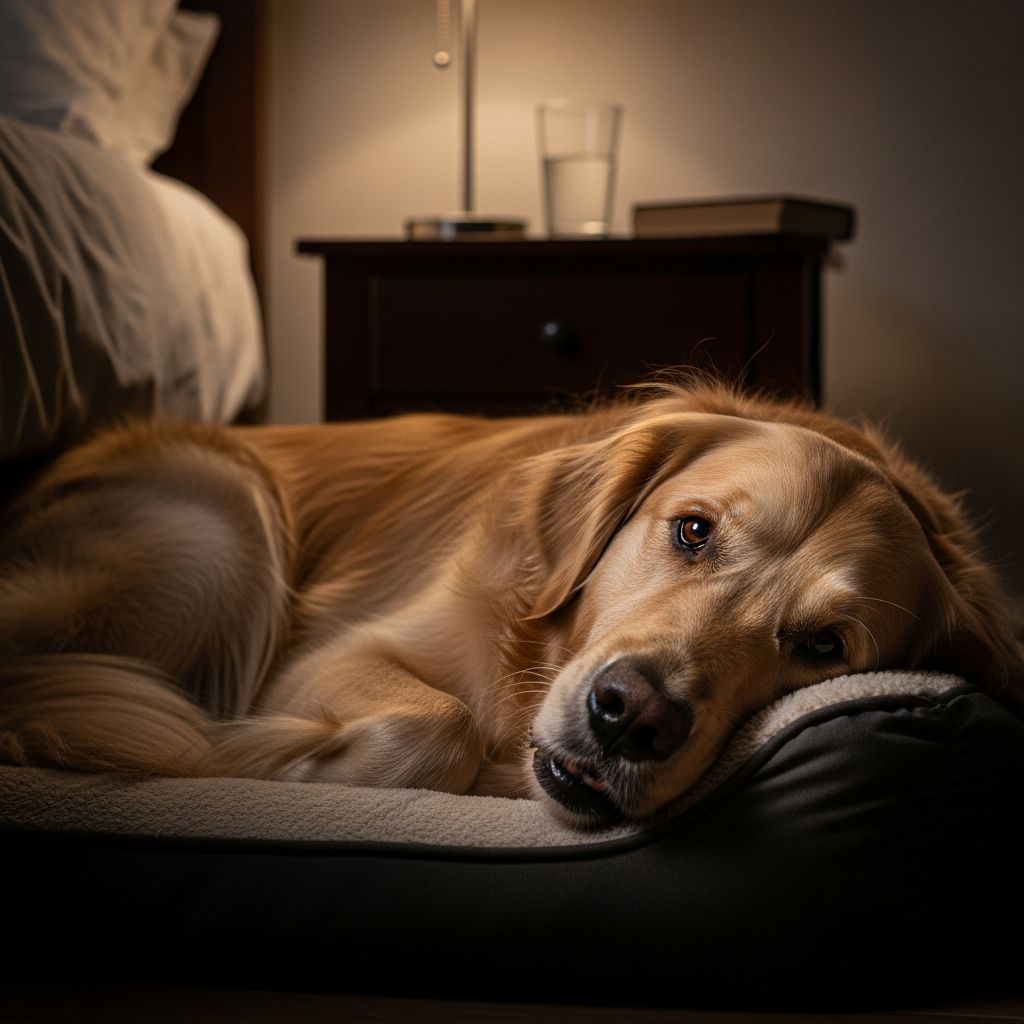
Why Is My Dog Coughing at Night?
Discovering that your dog coughs at night can be concerning for any pet owner. Nighttime coughing in dogs is not uncommon, and while it may occasionally be harmless, it often indicates an underlying health issue that requires veterinary attention. Understanding the causes of nocturnal coughing can help you determine whether your dog needs immediate medical care or if simple lifestyle adjustments might alleviate the problem.
The fact that your dog coughs primarily at night rather than during the day provides important diagnostic clues. Many conditions affecting dogs’ respiratory systems and cardiovascular health worsen when dogs are at rest, making nighttime the most noticeable time for coughing episodes. Pet owners frequently report being awakened by their dog’s coughing, which underscores how bothersome these episodes can be for both the animal and the household.
Understanding Canine Cough Mechanisms
Before exploring specific causes of nighttime coughing, it’s helpful to understand how coughing works in dogs. A cough is a reflex triggered by stimulation of coughing receptors located in the larynx, trachea, and large bronchi. This reflex serves an important protective function by clearing the airway of irritants, mucus, or foreign objects. However, when coughing becomes frequent or persistent, it suggests that something is irritating these sensitive tissues on an ongoing basis.
Dogs may also exhibit what veterinarians call an expiratory reflex, which consists of multiple forced expiratory efforts against a closed glottis. This often sounds like the dog is trying to clear its throat and is frequently described by owners as sounding like “a bone stuck in the throat.” Understanding these different types of cough responses helps veterinarians pinpoint the location and nature of the underlying problem.
Heart Disease: The Primary Nighttime Culprit
One of the most common causes of coughing at night in dogs is heart disease. Heart disease ranks among the leading causes of nighttime coughing in canines, particularly in older dogs. The connection between heart problems and coughing relates to how the condition affects the lungs and surrounding tissues.
When a dog has heart disease, the heart becomes enlarged or weakened, which constricts the space available for the lungs to expand properly. Additionally, congestive heart failure can cause fluid buildup in and around the lungs, a condition known as pulmonary edema. This fluid accumulation irritates the airways and triggers the coughing reflex.
A crucial characteristic of heart-related coughing is its timing and quality. The cough associated with congestive heart failure tends to be soft and continuous, and importantly, it becomes noticeably worse at night when your dog is lying down. This occurs because increased venous return to the heart is exacerbated when the dog assumes a horizontal position, placing additional strain on the already failing heart.
It’s worth noting that while some pet owners might attribute nighttime coughing to their increased awareness when trying to sleep, heart-related coughs genuinely do worsen during rest periods. If your dog’s cough fits this pattern—soft, continuous, and primarily nocturnal—scheduling a veterinary examination is essential.
Kennel Cough and Respiratory Infections
Kennel cough, medically known as infectious tracheobronchitis, represents the most common infectious cause of coughing in dogs. This highly contagious condition can spread rapidly among dogs that have had contact with each other, such as those in boarding facilities, dog parks, or multi-dog households.
Dogs with kennel cough typically present with a distinctive deep, dry, hacking cough that often sounds alarming to owners. In addition to the primary cough, affected dogs may also sneeze, snort, gag, and in some cases, vomit. The condition can be caused by multiple different viruses or bacteria working independently or in combination.
While kennel cough can occur at any time of day, it may become more pronounced at night when the dog is resting. The condition usually resolves within a few weeks, though some dogs may develop chronic coughing. If your dog was recently boarded, attended a dog park, or had contact with other dogs and subsequently developed a hacking cough, kennel cough should be high on your list of suspected causes.
Chronic Bronchitis and Long-Term Respiratory Issues
Chronic bronchitis is an inflammation of the bronchi—the airways that carry air to the lungs—and represents another significant cause of persistent coughing in dogs. This condition is especially common in middle-aged and older dogs and can result in long-term coughing that lasts more than two months.
Dogs with bronchitis often expel mucus when coughing and may also experience gagging. The condition cannot be cured but can be effectively managed with medication and lifestyle modifications. Veterinarians frequently prescribe corticosteroids such as Prednisone to decrease airway inflammation and reduce the coughing reflex.
Chronic coughing dogs typically cough when first rising from sleep, when eating or drinking water, when excited, or when barking. These specific trigger points can help distinguish bronchitis from other respiratory conditions and guide appropriate treatment decisions.
Environmental Factors and Allergens
Sometimes, dogs cough at night due to environmental irritants and allergens present in their sleeping areas. Common household irritants that can trigger coughing include cigarette smoke, dust, deodorant sprays, and house cleaning products. If your dog sleeps in an area exposed to these irritants, nighttime coughing may be the result.
Seasonal allergies can also cause coughing in susceptible dogs. When seasonal allergies are responsible, your veterinarian can prescribe oral medications to manage the symptoms and reduce the coughing frequency.
To minimize environmental irritants, consider the following strategies:
– Vacuum carpets frequently to reduce dust accumulation- Use clean cotton sheets to cover your dog’s bed- Avoid smoking near your dog or in shared living spaces- Minimize use of chemical sprays and cleaning products in areas where your dog spends time- Consider using a humidifier in your dog’s sleeping area
The Role of Obesity in Nighttime Coughing
Excess weight can contribute significantly to coughing problems in dogs. Fat that accumulates in the chest reduces lung volume and causes compression of the airways, stimulating coughing. This mechanical compression becomes more pronounced when the dog lies down at night, potentially explaining why overweight dogs often cough more when resting.
Weight reduction can dramatically improve both respiratory and cardiovascular functions, often with excellent results. If your dog is overweight, working with your veterinarian to develop a safe weight loss plan may substantially reduce nocturnal coughing episodes.
Other Potential Causes of Nighttime Coughing
Several additional conditions can cause dogs to cough at night. Gastroesophageal reflux disease (GERD) can trigger coughing through microaspiration of gastric contents and vagally mediated reflexes that irritate the airways. Laryngeal paralysis, which affects the dog’s ability to control the larynx properly, can cause coughing along with panting, loud breathing, and gagging, particularly in warm weather.
Foreign body obstruction in the throat can also cause coughing as the dog attempts to dislodge the object. Parasitic infections, neoplasia (cancer), and post-nasal drip represent additional differential diagnoses that a veterinarian must consider when evaluating a coughing dog.
When to Seek Veterinary Care
While occasional coughing may not warrant immediate concern, certain situations demand prompt veterinary attention. You should contact your veterinarian if:
– Your dog’s cough is severe or worsening- The cough persists for more than a few days or doesn’t improve over a week- Coughing spells last more than five minutes at a time- Your dog shows signs of difficult or labored breathing- You notice lethargy, decreased appetite, or other concerning symptoms- The cough is unprovoked and occurs frequently throughout the day- Your dog is an older dog experiencing new or changing symptoms
If you’re uncertain whether your dog’s cough warrants veterinary evaluation, it’s best to err on the side of caution and schedule an appointment.
Diagnostic Approach and Testing
When you bring your coughing dog to the veterinarian, the evaluation typically begins with a thorough history and physical examination. Your veterinarian will ask detailed questions about when the coughing started, what it sounds like, what triggers it, and whether any other symptoms are present.
Based on the initial assessment, your veterinarian may recommend diagnostic tests such as chest radiographs (X-rays), blood work, or an ultrasound to visualize the heart and lungs. These tests help identify the underlying cause of the coughing and guide appropriate treatment decisions.
Treatment Strategies for Nighttime Coughing
Treatment approaches for nighttime coughing depend entirely on the underlying cause. Heart-related coughing typically responds best to diuretic administration such as furosemide, along with other therapies to support heart function. Diuretics help reduce fluid buildup in the lungs, thereby reducing the coughing stimulus.
Environmental humidification overnight can provide significant relief by helping bring up mucus from the lungs, bronchi, and trachea. Humidifiers work by thinning the mucus and lubricating the irritated respiratory tract. Ultrasonic “cool mist” humidifiers are readily available and can be placed in the area where your dog sleeps.
For infectious causes like kennel cough, treatment is primarily supportive, as most cases resolve on their own within a few weeks. For chronic bronchitis, corticosteroids and other anti-inflammatory medications can significantly reduce coughing and improve quality of life.
Important to remember: the goals of medical therapy for chronic coughing are to improve quality of life and minimize the frequency and duration of coughing episodes. While patients with chronic cough may quit coughing altogether on life-long medications, the focus is typically on maintaining comfort at the lowest effective medication dose.
Lifestyle Modifications and Home Care
Beyond medical treatments, several lifestyle modifications can help reduce nighttime coughing:
– Maintain a healthy weight through appropriate diet and exercise- Use environmental humidification in your dog’s sleeping area- Minimize exposure to smoke, dust, and chemical irritants- Ensure your dog has a comfortable, clean resting area- Use cotton sheets on your dog’s bed rather than synthetic materials- Limit strenuous activity if heart disease is suspected- Provide adequate air conditioning for dogs with certain respiratory conditions
Frequently Asked Questions
Q: Is occasional nighttime coughing in my dog normal?
A: Occasional coughing may be normal, but persistent nighttime coughing warrants veterinary evaluation. Coughing that wakes your dog or disrupts your sleep should be investigated by a veterinarian to rule out underlying health conditions.
Q: Can anxiety cause my dog to cough at night?
A: While anxiety itself doesn’t directly cause coughing, anxious dogs may exhibit stress-related behaviors that include coughing. However, true coughing is typically caused by physical irritation or disease rather than psychological factors alone.
Q: How long does kennel cough typically last?
A: Most cases of kennel cough resolve within 2-3 weeks. However, some dogs may continue to exhibit mild symptoms for several weeks. If symptoms persist beyond three weeks, consult your veterinarian.
Q: Can I use over-the-counter cough medication for my dog?
A: Never use over-the-counter human cough medications on your dog without explicit veterinary approval. Some medications can be harmful to dogs, and using them may mask symptoms of a serious underlying condition. Always consult your veterinarian first.
Q: Does my dog’s age affect nighttime coughing risk?
A: Yes, older dogs are more susceptible to conditions causing nighttime coughing, particularly heart disease, chronic bronchitis, and laryngeal paralysis. Senior dogs should be evaluated promptly if they develop a new cough.
Q: Should I be concerned if my dog coughs only at night?
A: Coughing exclusively at night often suggests heart disease or conditions exacerbated by lying down. This pattern warrants veterinary evaluation to rule out serious underlying causes.
References
- Chronic Coughing in Dogs and Cats — LeadER Vet. Accessed 2025. https://leadervet.com/articles-papers/chronic-coughing-in-dogs-and-cats/
- Coughing dogs: myths and legends — Vet Times. Accessed 2025. https://www.vettimes.com/news/vets/small-animal-vets/coughing-dogs-myths-and-legends
- Why Does My Dog Keep Coughing? — City Line Veterinary Center. Accessed 2025. https://citylinevet.com/veterinary-blog/dog-coughing-moline-il/
- Common Causes of Coughing in Dogs — Trudell Animal Health. Accessed 2025. https://trudellanimalhealth.com/blogs/blog/common-causes-of-coughing-in-dogs
- 9 Common Reasons Why Senior Dogs Cough — Chewy. Accessed 2025. https://www.chewy.com/education/dog/health-and-wellness/why-does-my-old-dog-cough
- Canine Heart Disease: What You Need To Know — Vetstreet. Accessed 2025. https://www.vetstreet.com/dr-marty-becker/canine-heart-disease-what-you-need-to-know
- Coughing in Small Animal Patients — PubMed Central, National Institutes of Health. Accessed 2025. https://pmc.ncbi.nlm.nih.gov/articles/PMC6985277/
Similar Articles








Read full bio of medha deb




