

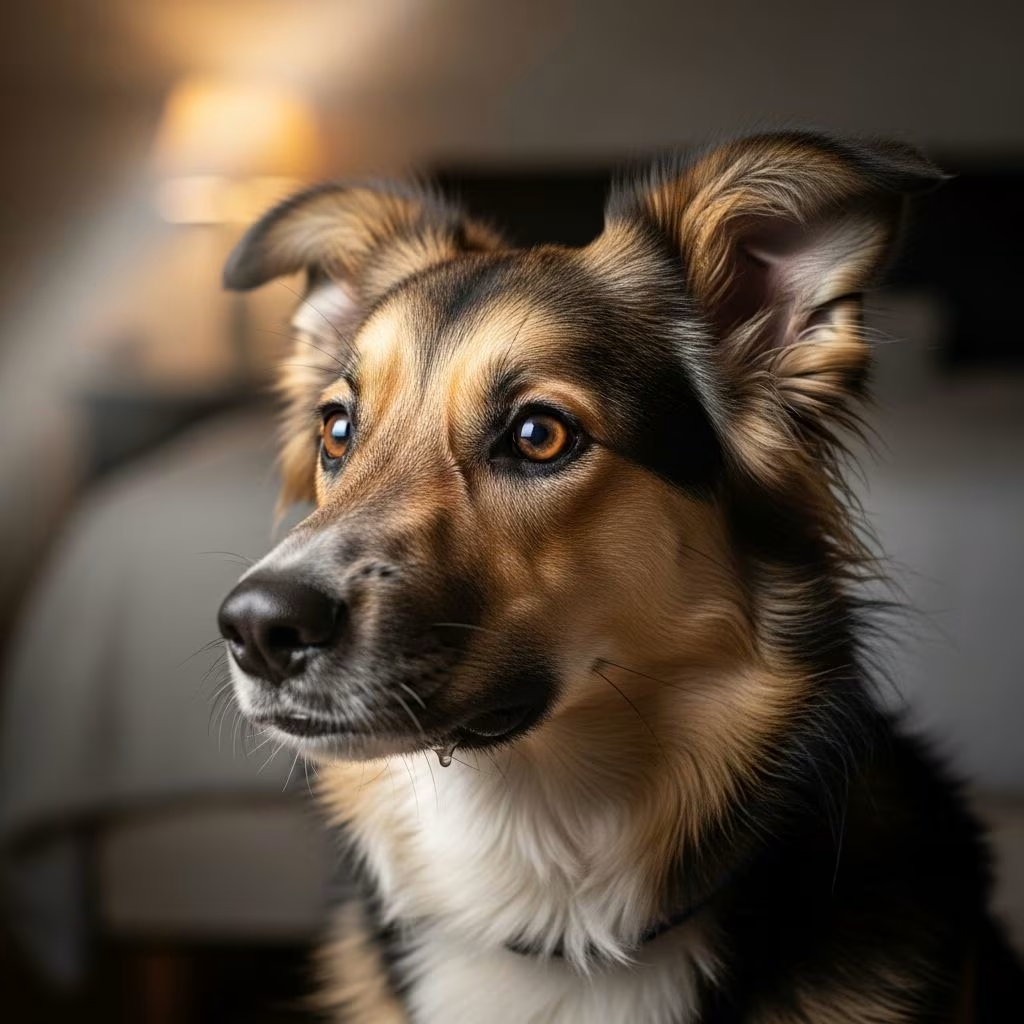
Why Is My Dog Aggressive When Woken Suddenly?
If you’ve experienced the startling moment when your peaceful, sleeping dog suddenly growls, snaps, or lunges at you for simply waking them up, you’re not alone. This behavior, often called sleep aggression or sleep-startle reflex, can be alarming, especially in households with children, elderly family members, or people with disabilities. The good news is that this reaction is almost always an involuntary response driven by surprise and disorientation rather than true aggression or a sign that your dog doesn’t love you.
Understanding what triggers this behavior and how to manage it can help you and your dog coexist peacefully, even during sleep transitions. This comprehensive guide explores the science behind sleep-startle reflex in dogs and provides practical solutions to keep everyone safe.
What Is Sleep-Startle Reflex in Dogs?
Sleep-startle reflex in dogs is an involuntary, protective response that occurs when a dog is abruptly woken from sleep. This instinctive reaction is hardwired into your dog’s biology and represents a survival mechanism that dates back to their wild ancestors. Understanding this reflex is the first step toward managing it effectively and recognizing it for what it truly is—not aggression, but a defensive reaction.
In wild animals, the ability to react instantly to potential threats during sleep had significant survival value. An animal that could snap to attention and defend itself in seconds had a much better chance of avoiding predators. This instinct remains embedded in modern domestic dogs, even though they no longer face the same dangers their wild relatives encountered.
The key distinction is that sleep-startle reflex is a reaction, not conscious aggression. Dogs experiencing this reflex are not deliberately attacking you. In almost all cases, your dog will recognize you within a second or two and immediately stop the behavior, often appearing confused or apologetic afterward. The reaction is driven by their primal brain, which temporarily overrides their conscious awareness and loving bond with you.
Why Your Dog Reacts This Way When Woken
Several factors contribute to why dogs display sudden aggression when woken unexpectedly:
Primal Instincts and Disorientation
Your dog’s aggressive reaction to sudden waking comes down to primal instincts. When your dog is in a deep sleep, their senses are dulled, making them vulnerable. A sudden touch or loud noise can throw them into a state of confusion and panic, leading to that unexpected lunge or growl. They’re caught in a fleeting moment where their brain hasn’t fully caught up with consciousness. They don’t immediately recognize their surroundings or even you, their beloved human.
Fight or Flight Response
The reaction is essentially an instinctual “fight or flight” response triggered by disorientation and a perceived sense of danger. When disoriented, your dog’s immediate reaction is to protect themselves. They might snap or growl as a warning, essentially saying, “Back off, I’m scared and confused!” This is a lightning-fast “defend first, ask questions later” response from a brain that’s still half-asleep.
REM Sleep in Dogs
Dogs enter into REM sleep (the deepest sleep stage) much quicker than humans do. This means it’s impossible to know exactly how deeply your dog is sleeping or what will startle them awake. This unpredictability is one reason why sleep-startle reflex can be particularly alarming and why even the gentlest wake-up method might trigger a reaction in some cases.
Common Causes of Sleep Aggression in Dogs
While startle reflex is the most common cause of aggressive behavior when waking a dog, several other factors can contribute to this behavior:
| Potential Cause | What It Looks Like | Best First Step |
|---|---|---|
| Startle Reflex | A very quick, explosive reaction (snap, growl) that ends almost as fast as it began. The dog often seems confused or apologetic afterward. | Call your dog’s name gently from a distance before approaching or touching them while they’re asleep. |
| Underlying Pain | The reaction occurs when touched in specific areas, or the dog seems uncomfortable. May include other signs like limping or reluctance to move. | Consult with a veterinarian to rule out conditions like arthritis or other sources of hidden discomfort. |
| Cognitive Dysfunction (Senior Dogs) | Mostly seen in senior dogs. The reaction seems rooted in confusion; they may not recognize you for a moment. Often paired with other signs like pacing or anxiety. | Talk to your vet about cognitive dysfunction in dogs. There are diets, supplements, and medications that can help. |
| Neurological Issues | The aggressive event seems completely unprovoked and out of character. May be accompanied by seizures, vacant staring, or other unusual behaviors. | Seek immediate veterinary attention for a full neurological workup. |
| Anxiety or Fear | The dog displays nervous behavior, excessive alertness, or seems perpetually on edge. Aggression may extend beyond sleep times. | Consult with a veterinarian or certified dog behaviorist to develop an anxiety management plan. |
Underlying Pain
Hidden discomfort from conditions like arthritis can turn a gentle touch into a painful one, triggering an aggressive response. If your dog typically displays sleep-startle reflex only when touched in specific areas, pain may be a contributing factor. A veterinary examination can help identify and address underlying medical issues.
Age-Related Changes
Senior dogs, particularly those with cognitive decline or cognitive dysfunction syndrome (CCD), can become disoriented and confused more easily. Age-related changes in the brain can make dogs more prone to sleep-startle reflex, as their ability to recognize familiar people and situations diminishes. Dogs with CCD may also display other behavioral changes such as disorientation, sleep pattern changes, house-soiling, and anxiety.
Neurological Issues
In some less common cases, sudden aggression during sleep can be linked to underlying neurological problems. Conditions affecting the brain can cause unpredictable behavioral changes, including what looks like unprovoked aggression. If aggressive episodes seem completely out of character and are accompanied by seizures, circling, or a vacant stare, it’s critical to seek veterinary guidance immediately, as these symptoms can point to more complex health issues.
Is Sleep Aggression Normal in Dogs?
Yes, sleep-startle reflex is a normal, involuntary response that occurs in many dogs. Many dogs shake it off when woken suddenly without issue. However, some dogs may growl, snap, lunge, and bite when woken unexpectedly. For these dogs, even a simple kiss on the head can trigger this reaction, and it can be momentarily terrifying for the person attempting to wake them.
The important thing to remember is that this behavior is not a reflection of your dog’s true temperament or the quality of your bond. It’s an involuntary protective mechanism that your dog cannot fully control in the moment of confusion.
How to Safely Manage Sleep-Startle Reflex
Fortunately, there are several practical strategies you can implement to prevent sleep-startle reflex incidents and keep everyone safe:
Create a Safe Sleep Environment
- Provide a safe, quiet space for your dog to sleep undisturbed. A dedicated bed, crate, or room where your dog can rest without interruption reduces the likelihood of sudden waking.
- Keep this space away from high-traffic areas of your home to minimize unexpected disturbances.
- Ensure the sleeping area is comfortable and suited to your dog’s needs, especially for senior dogs with joint pain or anxiety.
Gentle Wake-Up Techniques
- Call your dog’s name gently from a distance before approaching or touching them while they’re asleep. This gives them time to transition from sleep to wakefulness gradually.
- Use a consistent verbal cue, such as “Wake up, buddy!” in a calm, friendly tone before any physical contact.
- Turn on soft background music or a light before attempting to wake your dog to help them transition to alertness.
- Allow your dog a few seconds to fully awaken and orient themselves before touching them.
Condition Your Dog to Positive Wake-Up Triggers
You may be able to condition your dog to respond positively to being tapped on the shoulder or forearm with training. This technique involves the following steps:
- Choose a specific spot on your dog’s body (avoiding the head) that you want to use as the “wake nicely” trigger.
- While your dog is fully awake, gently tap this spot and immediately reward them with a delicious treat.
- Repeat this exercise multiple times over several days so your dog associates being tapped on that spot with positivity and treats.
- Gradually transition to trying this technique when your dog is partially asleep, then during full sleep, continuing to reward positive responses.
- Be patient and consistent; this conditioning process may take weeks or even months.
Use a Muzzle When Necessary
If necessary, use a muzzle when your dog is in public to prevent a scary situation from occurring. Not all people will be aware of sleep-startle reflex, and dogs are quickly blamed for what appears to be aggressive behavior. A properly fitted muzzle that allows your dog to pant, drink, and eat can provide peace of mind in situations where your dog might be unexpectedly woken by strangers.
Address Underlying Health Issues
- Schedule a veterinary examination to rule out pain, neurological problems, or other medical conditions that might contribute to sleep aggression.
- If your dog is a senior, discuss cognitive dysfunction syndrome and potential treatment options with your veterinarian.
- Ask your vet about supplements, medications, or dietary changes that might help reduce sleep-related behavioral issues.
Manage Environmental Factors
- Reduce sudden noises or disturbances that might startle your sleeping dog.
- Keep your dog’s sleeping schedule consistent to promote better rest and reduce confusion upon waking.
- Be mindful of children or other pets who might accidentally wake your dog during sleep.
When to Seek Professional Help
While most cases of sleep-startle reflex are manageable with the strategies outlined above, there are situations where professional intervention is necessary:
- Persistent aggression: If the aggressive behavior persists, becomes more frequent, or your dog shows other signs of distress, consult a veterinarian to rule out health issues.
- Neurological symptoms: Seek immediate veterinary attention if your dog displays seizures, circling, vacant staring, or other unusual neurological signs.
- Behavioral concerns: A certified dog behaviorist can help with training techniques and behavior modification plans tailored to your specific situation.
- Anxiety or fear-based aggression: If your dog displays anxiety or fear-based aggression beyond sleep times, professional behavioral support can be invaluable.
Frequently Asked Questions
Q: Is sleep-startle reflex aggression a sign that my dog doesn’t love me?
A: No. Sleep-startle reflex is an involuntary, instinctual response with no reflection on your relationship with your dog. Your dog’s loving behavior when awake demonstrates the true nature of your bond. This reflex is driven by disorientation and survival instinct, not emotions toward you.
Q: Can I train my dog out of sleep-startle reflex?
A: While you cannot eliminate the reflex entirely, you can significantly reduce its occurrence through conditioning. Training your dog to respond positively to specific wake-up triggers and providing a safe sleep environment can help minimize incidents. However, this process takes time and patience.
Q: Is sleep-startle reflex more common in certain dog breeds?
A: Sleep-startle reflex can occur in any dog breed. However, it may be more pronounced in naturally anxious dogs or those with a history of insecurity. Larger breeds might appear more intimidating when displaying the reflex, but the behavior itself is not breed-specific.
Q: Should I punish my dog for sleep-startle reflex?
A: No. Punishment is ineffective and counterproductive because this is an involuntary response your dog cannot consciously control. Punishment may actually increase anxiety and worsen the behavior. Instead, focus on prevention and management strategies.
Q: How long does sleep-startle reflex last after waking?
A: In most cases, the aggressive reaction lasts only a second or two before your dog recognizes their surroundings and calms down. Your dog will typically appear confused or even apologetic immediately after the incident once fully awake.
Q: Can medication help with sleep-startle reflex?
A: Medication alone is not a treatment for sleep-startle reflex itself. However, if underlying conditions like anxiety, cognitive dysfunction, or pain are contributing factors, your veterinarian may recommend medications to address those specific issues, which could reduce sleep aggression as a secondary benefit.
References
- How To Manage The Sleep Startle Reflex In Dogs — Tractive. 2024. https://tractive.com/blog/en/health/sleep-startle-reflex-in-dogs
- Why Is My Dog Aggressive When Woken Suddenly? — Kinship. 2024. https://www.kinship.com/dog-behavior/why-my-dog-aggressive-when-woken-suddenly
- A Guide to Understanding Dog Sleep Aggression — FurEver Active. 2024. https://www.fureveractive.com/blogs/senior-dog-care/dog-sleep-aggression
- Why Is My Dog Suddenly Aggressive? A Vet Explains — PetLab Co. 2024. https://thepetlabco.com/learn/dog/behavior/dog-suddenly-aggressive
- Is it normal for dogs to be aggressive in the morning? — Dial A Vet. 2024. https://www.dialavet.com/vet-answers/dogs-aggressive-morning-116593



