

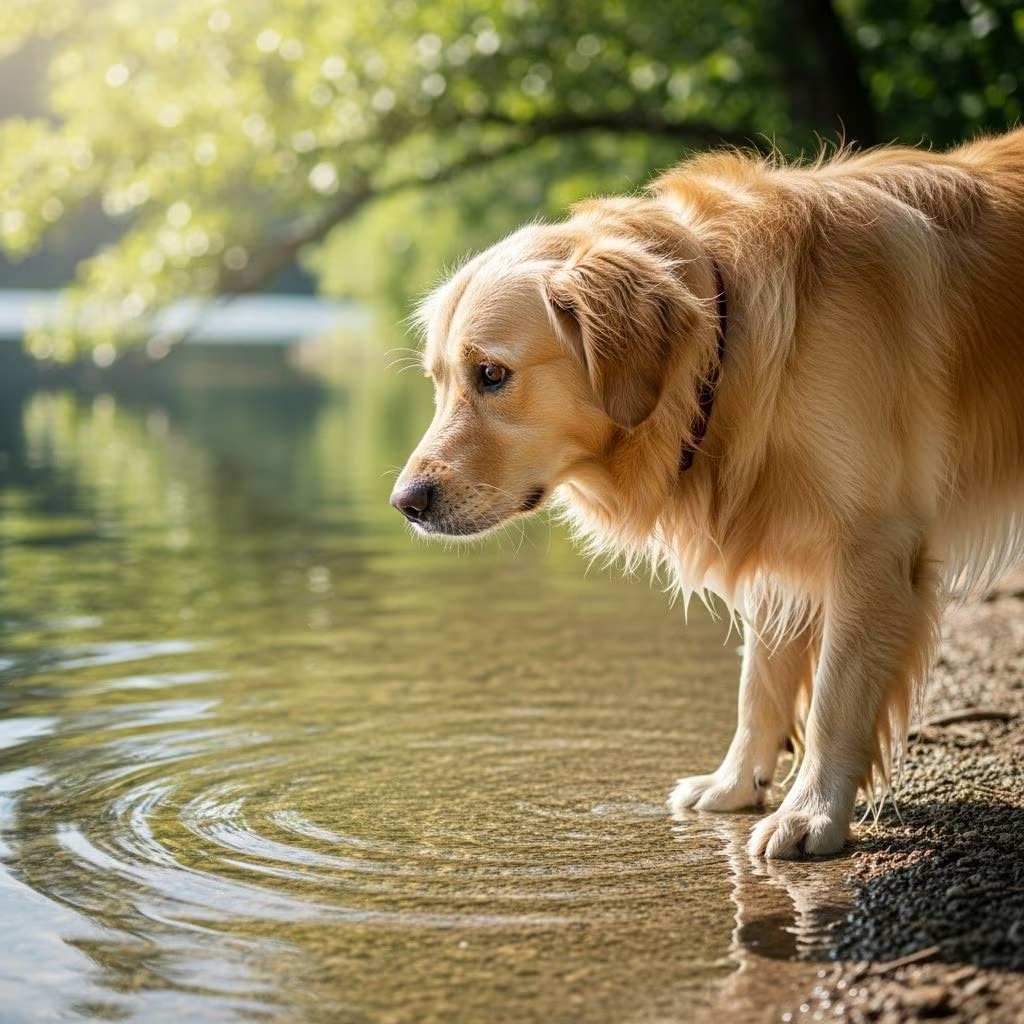
Why Doesn’t My Dog Like Water? Understanding Canine Water Aversion
Many dog owners face a puzzling situation: their canine companion refuses to enjoy water, whether it’s a swimming pool, a bath, or even a puddle during a walk. This water aversion is more common than you might think, and understanding the underlying causes is the first step toward helping your dog overcome this challenge. Water avoidance in dogs stems from a complex combination of factors including breed characteristics, past experiences, personality traits, and environmental conditions. By identifying what makes your dog uncomfortable around water, you can develop a targeted approach to build their confidence and create positive associations with aquatic environments.
Breed-Specific Factors and Genetic Predisposition
One of the most significant factors influencing whether a dog loves or dislikes water is their breed heritage. Dogs were selectively bred for different purposes over centuries, and some breeds have natural affinities for water while others do not. Understanding your dog’s genetic background can provide valuable insight into their water preferences.
Water-loving breeds were traditionally developed for water-based work, such as retrieving waterfowl or rescuing people from water. These breeds typically possess physical characteristics that make them excellent swimmers, including webbed feet, water-resistant coats, and muscular builds designed for aquatic activities.
Conversely, certain breeds are naturally predisposed to dislike water due to their physical structure:
- Brachycephalic breeds (Bulldogs, Pugs, and similar flat-faced dogs) have breathing difficulties that become exacerbated in water, making swimming uncomfortable and potentially dangerous.
- Small breeds such as Chihuahuas find cold water especially uncomfortable due to their minimal body fat and small size.
- Breeds with long coats like Shih Tzus and Pekingese experience discomfort when their coats become wet and heavy, which can feel restrictive and cold.
- Lean breeds including Greyhounds lack sufficient body fat to maintain warmth in water and therefore feel cold quickly.
If your dog belongs to one of these breeds, their water aversion may be partially hardwired into their genetics. However, this doesn’t mean they cannot learn to tolerate or even enjoy water with proper introduction and training.
Negative Early Experiences and Traumatic Events
A dog’s early encounters with water play a crucial role in shaping their lifelong relationship with aquatic environments. Puppies and young dogs that experience frightening or painful incidents involving water often develop lasting phobias that can persist into adulthood.
Common traumatic experiences that trigger water aversion include:
- Accidental submersion: A puppy falling into a pool, pond, or other body of water can create intense fear that becomes associated with all water exposure.
- Near-drowning experiences: Dogs that have encountered strong currents, deep water, or other dangerous situations may develop a lasting psychological aversion to water.
- Forced bathing: If a dog’s only regular water exposure is during baths that they find uncomfortable or distressing, they may develop negative associations with all water-related activities.
- Startling events: Loud noises such as thunderstorms or the sound of running water can frighten young dogs and create lasting associations between water and danger.
The critical period for preventing water aversion occurs during a dog’s early socialization phase (typically between 3 and 14 weeks of age). Dogs not exposed to water during this window are significantly more likely to develop apprehension toward aquatic environments throughout their lives.
Sensory Sensitivities and Physical Discomfort
Beyond breed characteristics and traumatic experiences, individual dogs possess varying sensory sensitivities that influence their water preferences. What feels pleasant to one dog may feel distressing or overstimulating to another.
The sensation of wetness itself can be deeply uncomfortable for some dogs. The feeling of water on their fur, the change in body temperature, and the altered texture of their coat can create sensory overload. Some dogs are particularly sensitive to having their paws touched or handled, which can intensify their discomfort when walking through water or standing in a bathtub.
Auditory sensitivities also play a role. The sound of running water, splashing, or draining water can be startling or disturbing to sensitive dogs. These sounds may trigger an instinctive fear response, especially if the dog associates them with negative experiences.
Environmental factors significantly impact sensory perception. Water temperature is particularly important—most dogs strongly dislike cold water, especially smaller breeds or those with short coats. Additionally, the setting in which water is encountered matters considerably. A dog might happily wade through a warm creek during a pleasant hike but panic at the sight of a slippery, enclosed bathtub.
Lack of Proper Exposure and Socialization
Many dogs develop water aversion simply because they were not adequately exposed to water during critical developmental periods. Unlike their wolf ancestors who needed to overcome water fears for survival, modern domesticated dogs don’t require water exposure for basic functioning. This means owners must deliberately introduce water in positive, controlled ways.
Dogs that lack early exposure to water often develop apprehension based on unfamiliarity rather than specific negative experiences. The unknown can feel threatening to cautious canines, particularly if the water environment is significantly different from anything they’ve previously encountered.
The impact of limited exposure becomes more pronounced as dogs age. Once a dog reaches adulthood without positive water experiences, introducing them to aquatic environments becomes increasingly challenging. The dog’s personality becomes more established, and anxiety-inducing situations become harder to overcome through gradual desensitization.
Fear of Drowning and Inability to Swim
Some dogs develop water aversion because they genuinely fear drowning, and this fear is often well-founded if the dog cannot swim. A dog’s ability to swim is not instinctive; it must be learned, and many dogs lack confidence in water because they’ve never developed proper swimming skills.
Dogs that are uncomfortable in water may panic rather than relax into natural buoyancy, making rescue situations more challenging. This creates a self-perpetuating cycle: the dog’s anxiety prevents proper swimming development, which reinforces their belief that water is dangerous, which increases their anxiety.
Training Methods and Improper Introduction Techniques
Ironically, well-intentioned efforts to introduce dogs to water can actually reinforce water aversion if done incorrectly. Dogs that are forced or coerced into water situations often develop stronger phobias rather than overcome them.
Pushing beyond comfort zones is particularly counterproductive. When a young dog hesitates at the water’s edge and is forced in anyway, they learn that their intuitive discomfort is overridden by humans they cannot trust. This creates fear-based learning rather than confidence-building.
Improper use of pressure or punishment around water creates powerful negative associations. Early-stage water training should focus exclusively on building confidence and positive experiences, not on correction or enforcement. Any punishment associated with water exposure will deepen the dog’s aversion and make future training considerably more difficult.
Lack of proper teaching also contributes to water aversion. Dogs need to understand what’s expected before expectations can be enforced. Without clear, positive instruction and adequate support, dogs naturally resort to avoidance behaviors.
Health-Related Causes of Water Avoidance
Water aversion sometimes stems from underlying health conditions that make drinking or being in water uncomfortable or painful. These medical issues can cause dogs to refuse water contact entirely.
Dental disease is a common culprit. Dogs experiencing tooth or gum pain may avoid drinking water altogether because the temperature sensitivity and pressure of water on affected areas causes discomfort. Even the act of swallowing can become painful.
Bladder infections and urinary tract issues often cause dogs to stop drinking water, as the condition makes the entire experience uncomfortable. These infections typically present with additional symptoms including abnormal urination patterns, increased urination frequency, or inappropriate elimination indoors.
Gastrointestinal problems including gastroenteritis, nausea, or inflammatory bowel disease can cause dogs to refuse water. When a dog’s stomach is upset, they instinctively avoid water to prevent further discomfort.
Arthritis and age-related mobility issues may prevent older dogs from accessing their water bowls easily, or pain may simply make them unwilling to engage in normal drinking behaviors. The effort required to reach and drink from the bowl can be outweighed by pain and discomfort.
If your dog’s water aversion appears suddenly or is accompanied by other behavioral changes, consulting a veterinarian is essential to rule out underlying health conditions.
Environmental and Behavioral Factors
Water quality and cleanliness affect your dog’s willingness to drink or engage with water. If your dog is suddenly refusing water after a move, they may be reacting to different mineral content or chlorine levels in the new water supply. Similarly, an unclean water bowl covered in bacteria and food particles can make water smell and taste unappealing. Washing bowls daily and running them through the dishwasher weekly helps maintain water quality.
Anxiety and stress significantly impact water-related behavior. Dogs experiencing general anxiety, stress, or depression may refuse water as part of their broader behavioral changes. Fear-based anxiety specifically related to water can develop if a dog associates water with a scary event or environment. Dogs with negative associations between water and fear—perhaps from traumatic bathing experiences—may connect the fear directly to the act of drinking or being near water.
Social conflict around water bowls can also trigger avoidance. In multi-dog households, if dogs fight over access to water or food, anxious dogs may develop learned avoidance of these resources. Creating separate, safe water stations can help resolve this issue.
Building Confidence: Practical Solutions
Overcoming water aversion requires patience, consistency, and understanding of what specifically triggers your dog’s discomfort. The most effective approach follows these principles:
- Start with gradual exposure in low-pressure environments. Allow your dog to approach water at their own pace without coercion.
- Use positive reinforcement consistently. Reward any progress with treats, praise, or play to create positive associations.
- Respect comfort zones. If your dog hesitates, simplify the task and try again later rather than forcing progression.
- Balance training challenges by avoiding difficult water tasks every day. Alternate challenging situations with enjoyable ones.
- Ensure water temperature comfort. Start with warm water for sensitive dogs and gradually introduce cooler temperatures as confidence builds.
- Maintain water quality. Keep bowls clean and ensure water is fresh and appealing.
- Consider professional training if your dog’s water aversion is severe or rooted in trauma. Certified trainers experienced with phobias can provide specialized support.
Frequently Asked Questions
Q: Can all dogs learn to like water?
A: While some dogs may never love water due to breed characteristics or personality, most dogs can be taught to tolerate and even enjoy it with proper, patient introduction. Severely traumatized dogs may require professional help.
Q: How long does it take to overcome water aversion?
A: The timeline varies widely depending on the cause and severity of the aversion. Gradual desensitization can take weeks to months, while dogs with traumatic experiences may require longer-term behavioral work.
Q: Is bathing necessary if my dog hates water?
A: While regular bathing helps maintain coat and skin health, there are alternatives such as dry shampoos or professional grooming services. Work on building positive bath associations gradually rather than forcing your reluctant dog.
Q: Should I ever force my dog into water?
A: Forcing your dog into water will almost certainly worsen their aversion and damage trust. Always work at your dog’s pace and allow them to approach water voluntarily.
Q: When should I consult a veterinarian about water avoidance?
A: Consult your vet if your dog suddenly stops drinking water, refuses water accompanied by other symptoms, or if the aversion develops unexpectedly in an adult dog.
References
- Dog Won’t Drink Water: Top 6 Reasons Why — East Valley Companion Care. Accessed January 2026. https://evcc.com/blog/dog-wont-drink-water/
- Why Do Some Dogs Love Water While Others Hate It? — Pettsie. Accessed January 2026. https://www.pettsie.com/blogs/blog/why-do-some-dogs-love-water-while-others-hate-it
- Why Do Dogs Develop an Aversion to Water? — The Retriever Coach. Accessed January 2026. https://www.theretrievercoach.com/blog/aversion-to-water
- Dog Not Drinking Water? Possible Causes and When To Call Your Vet — PetMD. Accessed January 2026. https://www.petmd.com/dog/symptoms/dog-not-drinking-water
- Water Phobia in Dogs — Cobber Dog Food. Accessed January 2026. https://www.cobberdogfood.com.au/resources/water-phobia-in-dogs/
- Why Dogs Don’t Like Getting Wet — Wag!. Accessed January 2026. https://wagwalking.com/behavior/why-dogs-dont-like-getting-wet



