

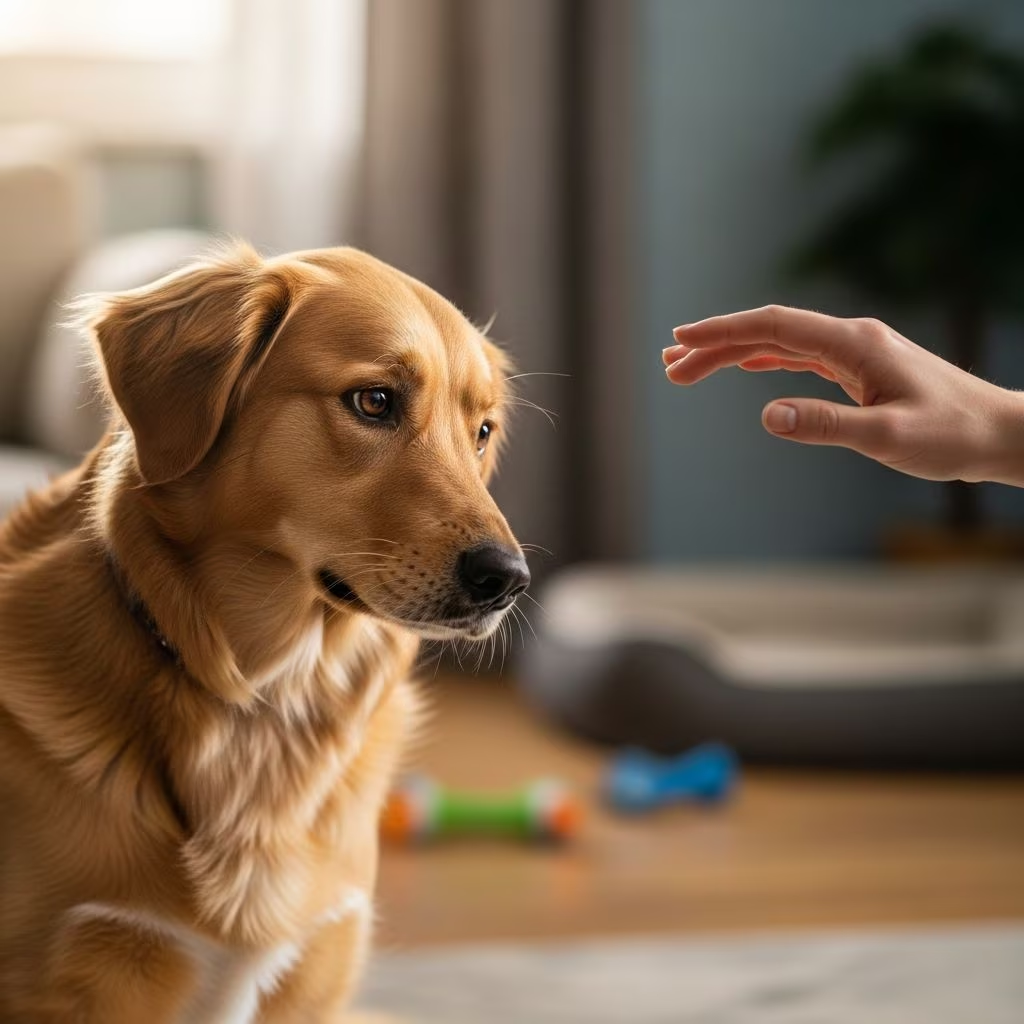
Many dog owners are puzzled when their furry companions pull away, tense up, or even growl during petting sessions. While petting is often intended as an act of affection, not all dogs find it enjoyable. Understanding the reasons behind this behavior can help you foster a stronger bond with your pet.
Dogs communicate primarily through body language, and what humans perceive as loving strokes might feel overwhelming or uncomfortable to them. Factors like individual personality, breed tendencies, past experiences, and improper petting techniques all play a role. By learning to read your dog’s signals and adjusting your approach, you can transform petting into a mutually enjoyable experience.
Reading Your Dog’s Body Language
The first step to understanding why your dog dislikes petting is mastering their subtle cues. Dogs don’t use words, so they rely on facial expressions, posture, and movements to express comfort or discomfort.
- Signs of Enjoyment: Relaxed body, soft eyes, loose mouth, gentle leaning into touch, tail wagging slowly or held neutrally.
- Warning Signs: Lip licking, yawning, turning head away, freezing, whale eye (whites of eyes visible), raised hackles.
- Clear Discomfort: Growling, snapping, tucking tail, cowering, attempting to flee.
Observing these signals prevents escalation. A dog that freezes during petting is politely asking you to stop, while lip licking often indicates stress.
Common Reasons Dogs Dislike Petting
Several factors contribute to a dog’s aversion to touch. Recognizing these helps tailor your interactions.
Overstimulation
High-energy dogs or those with sensitive skin can become overwhelmed by vigorous petting. What feels like enthusiastic affection to you might be too much for them, leading to shutdown or avoidance.
Improper Petting Spots
Not all areas are equal. Many dogs dislike head pats, chin grabs, or hugs because these mimic dominance displays or feel threatening. Preferred spots include chest, shoulders, and base of the tail.
Past Trauma or Negative Associations
Rescue dogs or those with rough handling histories may associate touch with pain or fear. A dog abused at a groomer might flinch from similar handling.
Breed and Personality Differences
Independent breeds like Terriers or herding dogs often prefer minimal touch, viewing it as unnecessary. Affectionate breeds like Labs crave it, but even they have limits.
Health Issues
Pain from arthritis, injuries, or skin conditions can make petting intolerable. Sudden changes warrant a vet visit.
How to Pet a Dog Properly
Petting is a skill. Follow these guidelines for success.
- Let Them Come to You: Wait for the dog to approach and sniff your hand first.
- Use Gentle, Slow Strokes: Light fingertip touches beat rough scrubs.
- Target Safe Zones: Chest, upper back, under chin (if solicited).
- Watch for Solicitation: Pawing or nudging means ‘more please.’
- Keep Sessions Short: Stop before they pull away.
Avoid hugging, grabbing the face, or petting while distracted—these amplify discomfort.
Building Positive Associations with Petting
Turn touch into a reward through consistent, patient training.
- Pair petting with treats or praise during calm moments.
- Practice desensitization: Touch briefly, reward, then stop.
- Use positive reinforcement training to associate hands with good things.
Studies show petting combined with praise enhances learning and reduces stress in dogs.
Breed-Specific Petting Preferences
| Breed Group | Petting Preference | Notes |
|---|---|---|
| Retrievers (e.g., Labs, Goldens) | High | Love full-body strokes; great for comfort work. |
| Terriers | Low | Independent; prefer brief check-ins. |
| Herding (e.g., Border Collies) | Moderate | Enjoy purposeful touch after exercise. |
| Hounds | Variable | Often scent-focused; pet while sniffing. |
Individual variation trumps breed norms—observe your dog.
When Belly Rubs Aren’t an Invitation
A dog rolling over isn’t always asking for rubs. It can signal submission or fear, especially with strangers. Wait for confident solicitation before proceeding.
Training Tips for Petting-Averse Dogs
Patience yields results.
- Start in low-stress environments.
- Progress from air touches to light contact.
- End every session positively.
- Consult a trainer for severe cases.
Frequently Asked Questions (FAQs)
Why does my dog lean away when I pet them?
This indicates discomfort or overstimulation. Check your technique and spots; give space.
Can all dogs learn to enjoy petting?
Most can with proper methods, though some prefer minimal contact due to personality.
Is it bad if my dog doesn’t like cuddles?
No—respect their boundaries. Bond through play, walks, or training instead.
What if my dog growls during petting?
Stop immediately. This is a warning; seek professional help to address underlying issues.
How long does it take to change petting aversion?
Weeks to months, depending on history. Consistency is key.
Expert Insights on Dog-Human Touch
Professionals emphasize reading cues over assumptions. Petting activates brain reward centers in humans but requires mutual consent for dogs. High-strung dogs may need touch to calm, while others find it arousing.
Your dog’s tolerance varies by mood, energy, and context. Post-exercise pets often succeed when others fail.
Conclusion: Respect Builds Bonds
Petting aversion doesn’t mean rejection—it’s communication. By decoding signals, refining techniques, and building trust, you’ll enhance your relationship. Dogs cherish connection; let them define how it’s expressed.
References
- Petting and Praising Dogs Helps Them Learn, New Study Finds — Kinship. 2023-10-15. https://www.kinship.com/dog-behavior/petting-and-praising-dogs-helps-them-learn-study-news
- How to Pet a Dog — Yes, You Do Need Lessons — Kinship. 2024-05-20. https://www.kinship.com/dog-behavior/dog-petting-lessons
- Petting a Dog Actually Increases Your Brain Activity, Study Finds — Kinship. 2023-11-10. https://www.kinship.com/dog-lifestyle/petting-a-dog-increases-brain-activity
- American Veterinary Medical Association: Canine Body Language Guidelines — AVMA. 2025-01-01. https://www.avma.org/resources-tools/pet-owners/petcare/canine-communication
- Journal of Veterinary Behavior: Effects of Tactile Stimulation on Canine Stress — Elsevier. 2024-06-15. https://doi.org/10.1016/j.jveb.2024.05.003



