

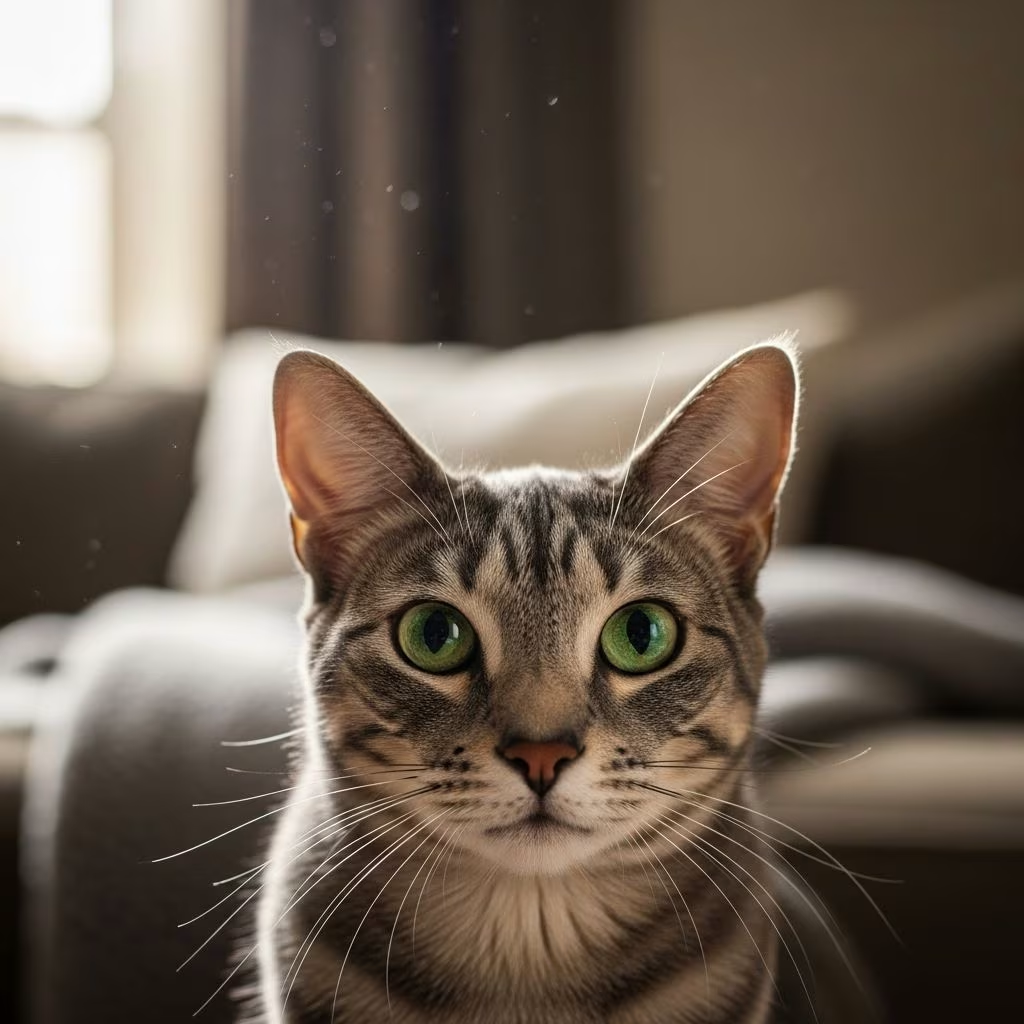
Cats are renowned for their soothing purrs, which often signal contentment, but not all cats purr equally or consistently. If your cat has stopped purring or never seems to, it could stem from health issues, stress, environmental changes, or individual personality traits. Understanding these factors can help you address the underlying cause and encourage more purring.
How Do Cats Purr?
Before diving into why a cat might not purr, it’s essential to grasp the mechanics. Cats produce purrs through rapid contractions of the laryngeal muscles in their voice box, triggered by neural signals from the brain. These oscillations cause the glottis to open and close at frequencies around 25-150 Hz during both inhalation and exhalation, creating the continuous rumbling sound.
This unique mechanism allows purring even in stressful situations, as it’s not solely tied to happiness. Research suggests a neural oscillator in the brain controls this, and electrical stimulation of certain brain regions can induce purring. Cats with laryngeal paralysis do not purr, highlighting the physical basis.
Reasons Why Your Cat Might Not Purr
Several factors can explain the absence of purring. While purring is often linked to relaxation, its absence doesn’t always indicate a problem—some cats simply purr less vocally. Here’s a breakdown:
- Health Problems: Illness or pain can suppress purring. Cats in distress may purr softly for self-soothing but stop if discomfort overwhelms them. Conditions like respiratory infections, dental issues, or injuries inhibit the laryngeal muscles.
- Stress and Anxiety: Environmental stressors, such as new pets, moves, or loud noises, can tense a cat’s body, preventing purring. Stressed cats show signs like flattened ears, dilated pupils, or hiding.
- Age-Related Changes: Kittens purr from birth to bond with mothers, but senior cats may purr less due to weakened muscles or cognitive decline.
- Personality and Breed: Independent breeds like Siamese or some feral cats purr less frequently, relying more on other vocalizations.
- Recent Trauma or Surgery: Post-operative recovery or accidents can temporarily halt purring until healing occurs.
Medical Reasons Your Cat Isn’t Purring
Health issues are a primary culprit. Pain from arthritis, urinary tract infections, or gastrointestinal problems diverts energy from purring. Veterinary exams reveal that cats with chronic conditions like hyperthyroidism or kidney disease often cease purring.
Dental disease affects up to 70% of cats over age three, causing pain that inhibits vocalizations. Respiratory ailments impair airflow needed for purring. If your cat avoids eating, hides, or shows lethargy alongside no purring, seek vet care promptly.
| Condition | Symptoms | Impact on Purring |
|---|---|---|
| Dental Disease | Drooling, bad breath, pawing at mouth | Pain prevents muscle contractions |
| Respiratory Infection | Sneezing, coughing, nasal discharge | Blocks airflow to larynx |
| Arthritis | Limping, reluctance to jump | Chronic pain suppresses behavior |
| Hyperthyroidism | Weight loss, increased appetite | Neurological interference |
Stress and Environmental Factors
Cats are sensitive creatures; changes in routine can silence their purrs. Common triggers include:
- New household members (babies, pets, or people)
- Relocation or remodeling
- Loud noises or frequent absences
- Lack of safe spaces
Observe body language: tense posture or avoidance signals stress. Purring frequency drops as cortisol levels rise. Creating a calm environment with pheromone diffusers or hiding spots can restore normal behavior.
Age and Developmental Stages
Kittens purr within days of birth to communicate nursing needs, using vibrations since they can’t see or hear well initially. As adults, purring peaks during contentment but wanes in seniors due to muscle atrophy or sensory loss. Elderly cats (10+ years) may purr softer or less often, mistaking it for contentment decline.
Individual Personality and Breed Differences
Not all cats are purr machines. Vocal breeds like Maine Coons purr loudly, while quieter ones like Russian Blues express affection through rubbing or kneading without much sound. Feral or less socialized cats may never develop strong purring habits, as it’s partly learned from mothers.
When to See a Vet
Consult a veterinarian if no purring accompanies other red flags:
- Sudden behavior change
- Appetite loss or vomiting
- Excessive hiding or aggression
- Visible injuries or swelling
Early intervention prevents escalation. Vets may recommend bloodwork, X-rays, or dental cleanings.
How to Encourage Your Cat to Purr
Revive purring with these strategies:
- Gentle Petting: Stroke in preferred areas like cheeks or base of tail during quiet times.
- Quiet Environment: Provide cozy beds, window perches, and routine feeding.
- Play Therapy: Interactive toys reduce stress and build trust.
- Pheromone Products: Synthetic feline pheromones mimic calming scents.
- Health Check-Ups: Regular wellness exams catch issues early.
Patience is key; some cats take weeks to resume purring after stress.
FAQs
Is it bad if my cat doesn’t purr?
Not necessarily—some cats rarely purr due to personality. Monitor for health or stress signs.
Why did my cat stop purring suddenly?
Sudden stops often indicate pain, stress, or illness. Vet evaluation is advised.
Do all cats purr?
Most do, but frequency varies by breed, age, and socialization.
Can stress stop a cat from purring?
Yes, anxiety tenses muscles needed for purring.
How can I make my cat purr more?
Build trust through gentle interaction, routine, and a safe home.
References
- Why Do Cats Purr? Here’s What It Means — Meowtel. 2023. https://meowtel.com/blog/post/why-do-cats-purr-here-s-what-it-means
- Why Do Cats Purr? — Animal Family Veterinary Care Center. 2023. https://animalfamilyveterinarycare.com/blog/why-do-cats-purr/
- Purr — Wikipedia (referencing studies on neural oscillators). 2024. https://en.wikipedia.org/wiki/Purr
- Why Do Cats Purr? 5 Meanings Behind a Purring Cat — PetMD. 2024. https://www.petmd.com/cat/behavior/why-do-cats-purr
- Why and how do cats purr? — Library of Congress. 2023. https://www.loc.gov/everyday-mysteries/zoology/item/why-and-how-do-cats-purr/
- Why does my cat purr? — Cats Protection. 2023. https://www.cats.org.uk/cats-blog/why-does-my-cat-purr



