

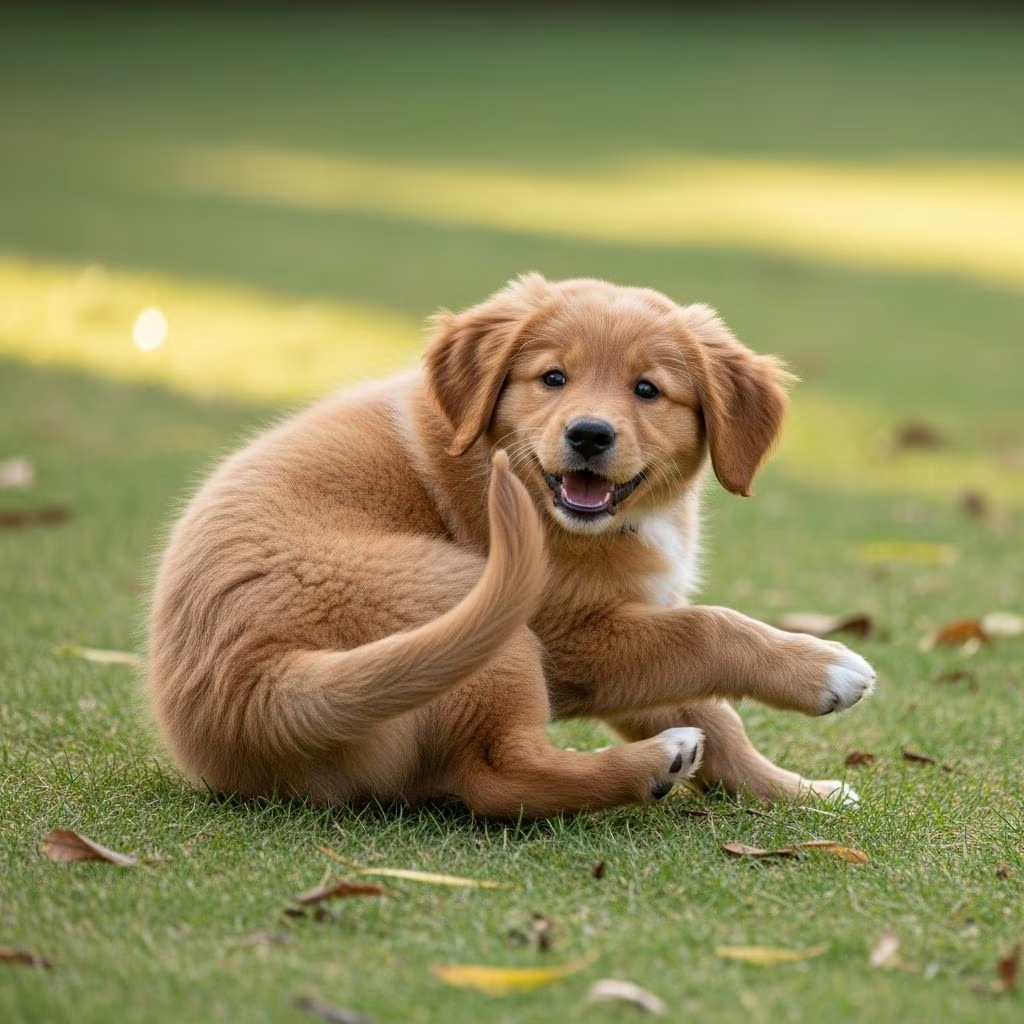
Tail chasing is a common and often adorable behavior in puppies, but it can range from harmless play to a sign of underlying issues. Puppies discover their tails as part of self-exploration, treating them like toys during early development. While most instances are benign, especially in young dogs, persistent or obsessive chasing warrants attention to rule out boredom, parasites, anxiety, or medical conditions.
Understanding the motivations helps owners respond appropriately, preventing escalation into compulsive habits. This article breaks down the key reasons, breed tendencies, age factors, and practical solutions, drawing from veterinary insights.
It’s All Fun and Games (Usually)
For many puppies, tail chasing is simply playful self-discovery. Young pups, around 8-12 weeks old, notice their tail wagging and attempt to catch it, viewing it as an entertaining toy rather than body part. This phase typically passes as they mature and gain body awareness.
Puppies chase tails out of youthful energy and curiosity, spinning in circles that amuse owners. Dr. Klein from the AKC notes this is often harmless fun that diminishes with age, unless it intensifies suddenly. Excited states, like playtime or visitor arrivals, can trigger it as an outlet for excess energy.
However, if chasing leads to nipping or bald spots, intervene early to avoid self-injury. Redirect with toys to channel the playfulness productively.
Is Tail Chasing a Sign of Boredom?
Boredom is a leading cause of tail chasing across all ages, but especially in energetic puppies confined without stimulation. Dogs expend pent-up energy by pursuing their tails, mimicking hunting instincts in a self-directed way.
Puppies left alone too long or lacking mental exercise turn to repetitive behaviors for relief. Signs include pacing, digging, or excessive barking alongside chasing. Under-stimulation, like long kenneling periods without toys, fosters this as sensory escape.
- Increase daily exercise: Aim for 30-60 minutes of walks, runs, or fetch for puppies.
- Provide puzzle toys: Kongs stuffed with treats or interactive feeders engage their minds.
- Rotate toys: Prevent habituation by swapping items weekly.
Addressing boredom reduces chasing frequency, promoting overall well-being.
Fleas, Ticks, and Other Pesky Pests
Parasites like fleas and ticks irritate the base of the tail, groin, or rear, prompting puppies to chase and bite for relief. Fleas bite sensitive areas, causing itchiness that mimics tail targeting. Tiny brown specks (flea dirt) or bald patches signal infestation.
- Check fur: Part hair near tail; look for moving specks or redness.
- Treat promptly: Use vet-recommended flea preventives; bathe if needed.
- Environmental control: Vacuum and wash bedding to break the cycle.
Intestinal parasites, such as tapeworms, cause anal irritation as segments emerge, leading to scooting and chasing. Regular deworming prevents this.
Anal Gland Issues and Skin Allergies
Impacted anal glands, small sacs near the anus, fill with fluid causing discomfort and a fishy odor, making puppies lick or chase tails. Food allergies or skin conditions itch the rear, exacerbating the behavior.
Veterinary expression of glands resolves most cases; dietary changes help allergies. Pain from injuries or hot spots in the tail area also prompts chewing for relief.
When It’s an Attention-Seeking Behavior
Puppies quickly learn tail chasing draws reactions—even scolding counts as attention. Owners laughing or saying “stop” reinforces it, turning play into a bid for interaction.
Ignore the behavior entirely; reward calm moments with play or pets. Consistent response breaks the cycle without positive reinforcement.
Is Your Puppy Anxious or Compulsive?
Anxiety triggers tail chasing as a stress-reliever, akin to nail-biting in humans, especially during storms, separations, or visitors. Compulsive disorder (OCD) manifests as incessant chasing, often breed-linked, persisting post-medical clearance.
Triggers include overstimulation or isolation; symptoms pair with shaking, whining, or aggression. Behavior modification, plus medication if severe, treats OCD. Consult a vet or behaviorist for triggers.
Age-Related Tail Chasing
Puppies chase tails during discovery phases, but seniors may due to cognitive dysfunction syndrome (CDS), like canine Alzheimer’s. Neurons degrade, causing repetitive acts, disorientation, or sleep changes. Youthful chasing self-resolves; age-related needs vet evaluation.
Are Some Breeds More Prone to Tail Chasing?
Certain breeds show genetic predispositions. Bull Terriers, German Shepherds, Doberman Pinschers, and Shiba Inus chase more, possibly due to CDH2 gene or stress responses. Terriers’ high energy amplifies it.
| Breed | Predisposition Factors |
|---|---|
| Bull Terrier | Genetic, compulsive tendencies |
| German Shepherd | High energy, stress response |
| Doberman Pinscher | Breed studies show elevated rates |
| Shiba Inu | Independent nature, prey drive |
Monitor predisposed breeds closely.
When Should You See a Vet?
Consult a vet if chasing is sudden, obsessive, causes injury, or accompanies symptoms like limping, scooting, hair loss, or lethargy. Rule out medical causes first—parasites, glands, pain, or neurological issues—before behavioral fixes.
Exams may include fecal tests, skin scrapes, or imaging. Early intervention prevents chronic habits.
Tips to Stop Tail Chasing
- Exercise daily: Physical outlets burn energy.
- Mental stimulation: Training sessions, agility.
- Ignore attention bids: No reaction to chasing.
- Redirect: Toys during episodes.
- Environment enrich: Rotate toys, safe spaces.
- Vet check: Annual wellness includes parasite screens.
Consistency yields results; combine methods for best outcomes.
Frequently Asked Questions (FAQs)
Is tail chasing normal for puppies?
Yes, it’s common during self-discovery but should decrease with age. Persistent cases need evaluation.
Does tail chasing mean my dog has fleas?
It can; check for irritation at tail base. Fleas cause biting near rear.
Can tail chasing be a sign of pain?
Yes, from anal glands, injuries, or allergies. Vet diagnosis is key.
How do I stop my puppy from chasing its tail?
Increase exercise, provide toys, ignore behavior, and vet-check health.
Are some dogs genetically prone to tail chasing?
Breeds like Bull Terriers and German Shepherds show higher rates due to genetics.
References
- Why Do Dogs Chase Their Tails? 6 Reasons Why — Purina UK. 2020-11-26. https://www.purina.co.uk/articles/dogs/behaviour/understanding-dogs/why-dogs-chase-tails
- Why Dogs Chase Their Tails — VCA Animal Hospitals. https://vcahospitals.com/know-your-pet/why-do-dogs-chase-their-tails
- Why Do Dogs Chase Their Tail? — American Kennel Club (AKC). https://www.akc.org/expert-advice/advice/why-do-dogs-chase-their-tail/
- Why Do Dogs Chase Their Tail? Symptoms and Treatments — WebMD. https://www.webmd.com/pets/dogs/why-do-dogs-chase-their-tails
- Why Does My Dog Chase their Own Tail? — Sit Means Sit Gaylordsville. https://sitmeanssit.com/dog-training-mu/gaylordsville-dog-training/why-does-my-dog-chase-their-own-tail/
- Obsessive Tail Chasing — Pet Behavior Change. 2018-09-11. https://www.petbehaviorchange.com/blog/2018/9/11/obsessive-tail-chasing



