

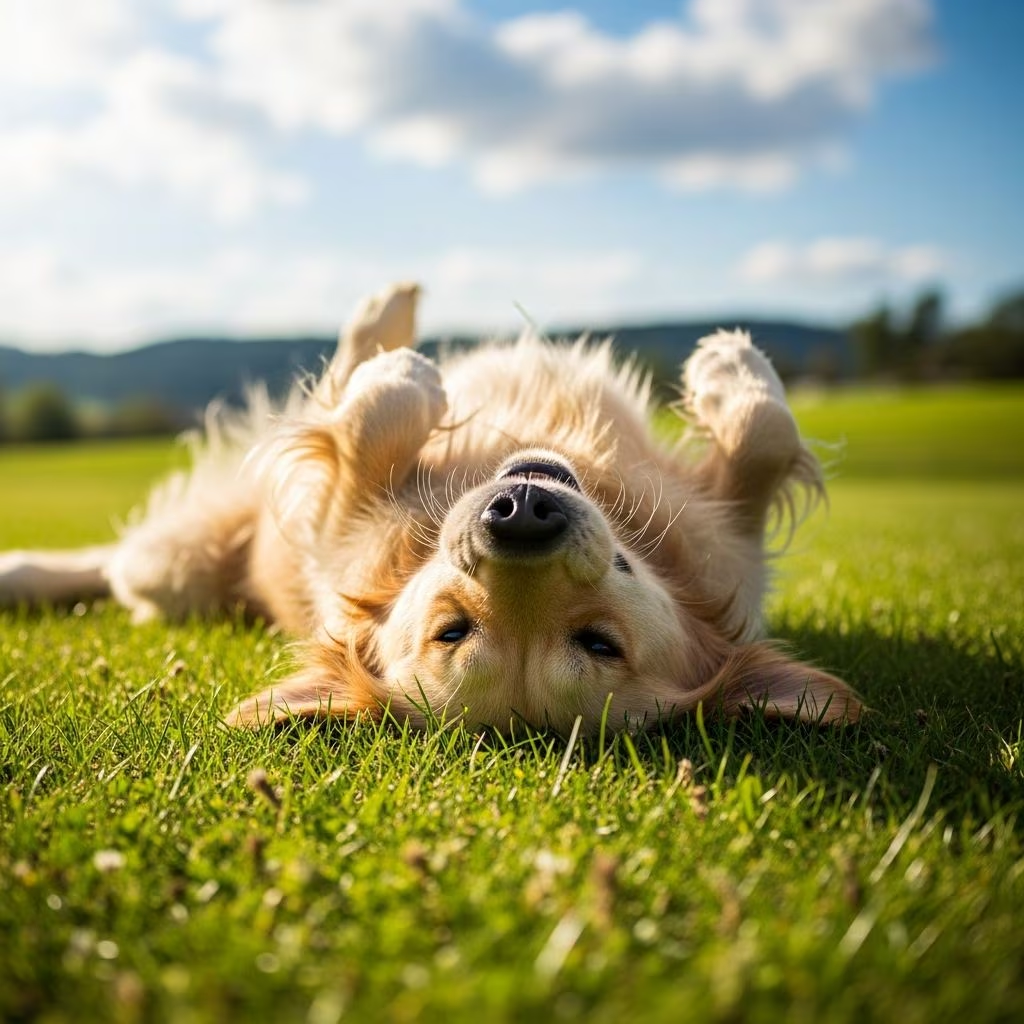
Seeing your dog suddenly drop to the ground and roll enthusiastically in the grass is a common sight for pet owners. This playful behavior might leave you amused, puzzled, or even frustrated—especially right after a bath. But why do dogs do this? Rooted in their wild ancestry, sensory enjoyment, and social instincts, grass rolling is a multifaceted canine habit with both practical and pleasurable motivations.
Dogs’ exceptional sense of smell, which is up to 100,000 times more sensitive than humans’, drives much of this behavior. They use scents to navigate their world, communicate, and even hunt. Whether masking their own odor, picking up environmental smells, or simply relishing the sensation, rolling in grass connects modern pets to their wolf-like forebears. In this comprehensive guide, we’ll break down the key reasons, potential health implications, and tips for managing this endearing (or messy) habit.
Instinctual Reasons: Echoes of the Wild
Dogs descend from wolves, pack hunters who relied on stealth and camouflage for survival. Many grass-rolling behaviors are vestiges of these ancient instincts, even in domesticated pets who enjoy full bowls and cozy beds.
- Masking Their Scent for Hunting: In the wild, wolves roll in strong-smelling substances like animal scat or urine to disguise their predator scent, allowing them to approach prey undetected. Your dog might roll in grass (or dirt patches with lingering animal odors) to cover their clean, human-shampooed smell or blend into the environment. This is especially common after grooming, as dogs dislike artificial scents.
- Acquiring New Scents: Conversely, dogs roll to pick up appealing smells from the grass, such as pheromones from other animals. This ‘scent souvenir’ lets them carry information back to their pack—today, that’s you or other pets—sharing environmental news via their fur.
These survival tactics persist because they’re hardwired. A study on canine olfaction highlights how dogs’ 300 million olfactory receptors (versus our 6 million) make scent-gathering a primary sensory experience.
Communication Through Scent Marking
Scent is dogs’ primary language. Rolling in grass isn’t just about acquisition or disguise; it’s a billboard for other dogs.
- Leaving Their Mark: Dogs have apocrine glands in their paws, face, and tail base that release unique pheromones when they rub against surfaces. Rolling transfers these scents, signaling ‘I was here’ or claiming territory. Males often do this more frequently during walks.
- Responding to Others: If another dog has marked the grass, your pet might roll to mix scents or overwrite them, engaging in a silent conversation. This communal scent-mixing strengthens social bonds in multi-dog households.
Experts note this behavior peaks in intact males but occurs across all dogs, underscoring its role in canine social structure.
Sensory Pleasure and Physical Relief
Not every roll is about survival or signaling—sometimes, it’s pure bliss.
- It Feels Amazing: Grass offers a cool, textured massage against the skin and fur, relieving itches, shedding loose hair, or soothing after a hot day. It’s like a natural spa session, triggering endorphins for relaxation and joy.
- Scratching Hard-to-Reach Spots: Dogs can’t use paws for precise scratches, so rolling targets backs, necks, and sides. This is common in breeds with thick coats like Labradors or Huskies.
- Play and Excitement: Rolling often accompanies zoomies or play bows, indicating happiness. Watch for wagging tails and bright eyes—these are signs of a content dog.
Mimicking also plays a role: if one dog rolls, others join, turning it into group fun.
When Rolling in Grass Signals a Problem
While usually harmless, excessive or targeted rolling warrants attention.
| Normal Behavior | Potential Issue |
|---|---|
| Occasional, joyful rolls during play | Frequent, frantic rolling on specific spots |
| No skin changes or odor-seeking | Accompanied by scratching, redness, or bald patches |
| Post-bath or in fresh grass | Targeting poop, dead animals, or treated lawns |
- Skin Allergies or Infections: Chronic itchiness from fleas, food allergies, or environmental triggers (e.g., pollen) prompts relief-seeking rolls. Symptoms include hot spots, dandruff, or excessive licking.
- Parasites: Fleas, ticks, or mites cause irritation; rolling dislodges them but doesn’t solve the root.
- Chemical Exposure: Herbicides or pesticides on grass can irritate skin or cause toxicity. Always check lawns and use prevention.
- Unsanitary Rolling: Preference for feces or carcasses risks bacterial infections like salmonella. Leash in unknown areas.
Veterinarians recommend flea/tick preventives year-round and vet checks for persistent issues.
Tips for Safe Grass Rolling
Embrace the fun while minimizing risks:
- Provide flea/tick protection and vaccinate against leptospirosis from contaminated grass.
- Choose untreated, pet-safe yards; rinse dogs after potential exposure.
- Bathe with dog-safe shampoos to reduce post-bath rolling.
- Offer alternatives like backyard patches or soft brushes for scratches.
- Monitor for changes; consult a vet if rolling increases suddenly.
Understanding these motivations deepens your bond—next roll, you’ll know it’s your dog’s way of living fully.
Frequently Asked Questions (FAQs)
Is it bad for dogs to roll in the grass?
Usually no—it’s natural and healthy. Concerns arise with chemicals, parasites, or excessive frequency signaling allergies.
Why do dogs roll in grass after a bath?
To mask the unfamiliar shampoo scent with natural odors, reverting to instinct.
Should I stop my dog from rolling in poop or dead things?
Yes, for hygiene—leash them and bathe immediately to prevent infections.
Does breed affect grass-rolling?
Hunting breeds (e.g., Beagles) roll more for scent; fluffy breeds for itch relief.
When should I see a vet for rolling behavior?
If accompanied by skin issues, limping, or sudden changes—could indicate allergies or pain.
References
- Why Do Dogs Roll in the Grass? — PetMD, Hanie Elfenbein, DVM. 2023-05-15. https://www.petmd.com/dog/behavior/why-do-dogs-roll-grass
- Why Do Dogs Roll in the Grass? — Broad Ripple Animal Clinic. 2024-02-10. https://bracpet.com/blog/dogs-roll-in-the-grass/
- Why do dogs roll on grass? — Farmina Pet Foods. 2023-11-20. https://www.farmina.com/in/pet-care/geniustips/1642/why-do-dogs-roll-on-grass-.html
- Why Do Dogs Roll in The Dirt? — PetArmor. 2024-01-08. https://petarmor.com/blogs/pet-health/why-do-dogs-roll-in-the-dirt



