

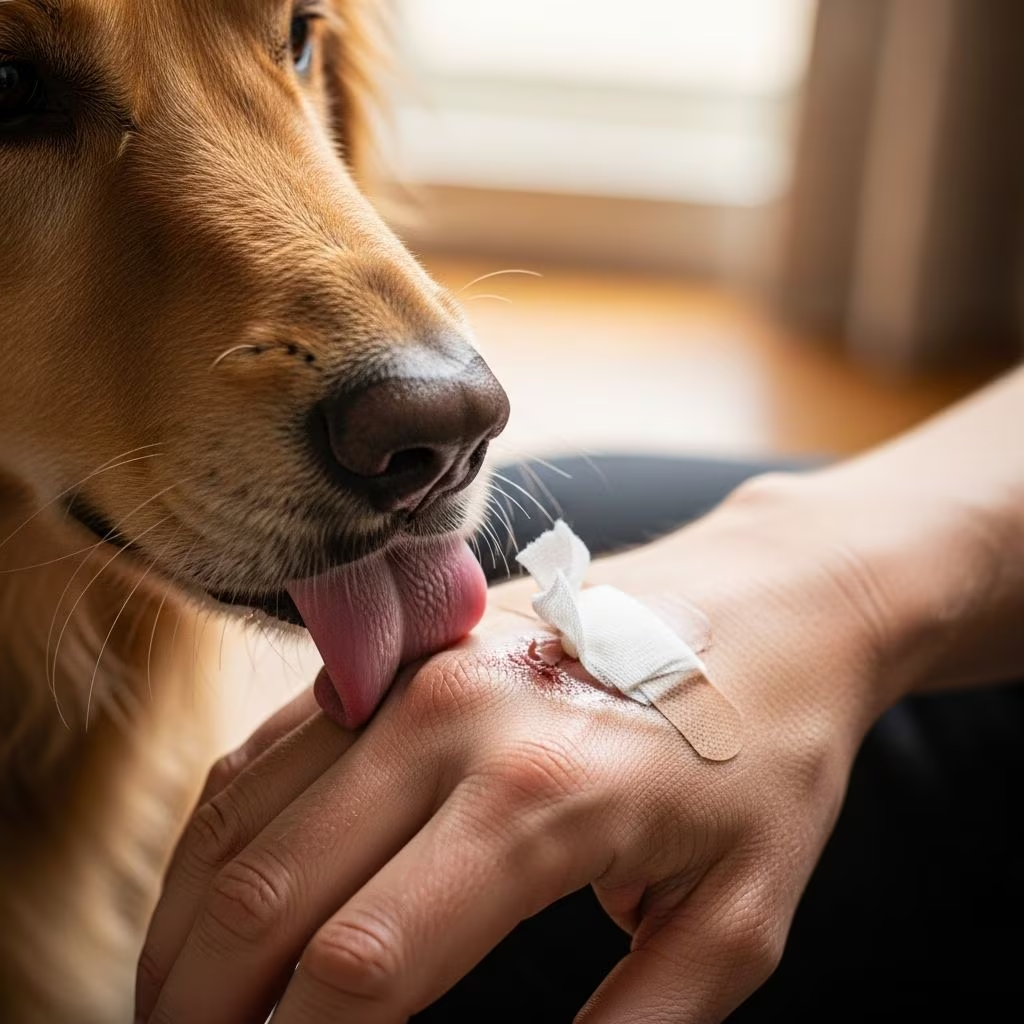
Dogs licking wounds is a common behavior observed in households worldwide, stemming from deep-rooted instincts that serve multiple purposes. This action, seen in both wild ancestors and modern pets, involves dogs using their tongues to clean injuries on themselves or their human companions. While it may seem endearing, understanding the motivations—ranging from pain relief to affection—and the potential risks is crucial for pet owners.
In the wild, wound licking helped animals survive by removing debris and combating minor infections. Today, with advanced veterinary care available, this instinct can sometimes do more harm than good, leading to complications like delayed healing or secondary infections. This article delves into the science, benefits, drawbacks, and practical advice for managing your dog’s licking tendencies.
Why Do Dogs Lick Their Own Wounds?
Dogs lick their wounds primarily due to an evolutionary instinct that promotes survival. This behavior is not unique to canines; it’s observed across mammals like cats, primates, rodents, and even horses. Natural selection has favored this trait because it addresses immediate needs post-injury.
It’s an instinct passed down from ancestors: Wild canids, such as wolves, licked injuries to maintain cleanliness in harsh environments where medical intervention was absent. Domesticated dogs retain this hardwired response, activating automatically upon sensing pain or injury.
It soothes pain and discomfort: Licking stimulates nerve endings that send ‘pleasant’ signals to the brain, effectively blocking pain transmissions—a process akin to humans rubbing a bumped elbow. Wounds often feel itchy, swollen, or tender, and the tongue’s motion provides relief.
Saliva offers mild antiseptic properties: Canine saliva contains enzymes, histatins, and nitrite that can inhibit certain bacteria. Research shows histatins promote skin cell growth to close wounds faster, while nitrite converts to nitric oxide, offering antimicrobial protection. Additionally, nerve growth factor in saliva aids healing. However, these effects are limited against all pathogens and not as potent as modern antiseptics.
It mechanically cleans the area: A dog’s rough tongue excels at dislodging dirt, hair, dead skin, and debris, preventing initial infection buildup.
Should You Let Your Dog Lick Their Wounds?
While initial licking provides short-term benefits, prolonged access is detrimental. Modern veterinary standards strongly advise against it, especially post-surgery.
- Infection risk: Excessive saliva creates a moist environment ideal for bacterial growth, including pathogens saliva can’t combat.
- Irritation and delayed healing: Constant friction reopens tissues, enlarges wounds, and slows recovery.
- Surgical complications: Dogs often wear ‘cone of shame’ collars after operations to prevent licking, as it can rip stitches and necessitate re-suturing—potentially life-threatening.
Veterinarians recommend professional wound management: cleaning with saline, applying antibiotics, and using protective barriers over self-licking.
Signs Your Dog Has Been Licking a Wound
Spotting excessive licking early prevents escalation. Look for these indicators:
- Wet or matted fur surrounding the injury from saliva.
- Brownish staining on light-colored coats (dried saliva).
- Reddened, inflamed skin.
- Stalled wound healing or reopening.
- Hair loss or self-induced ulcers (lick granulomas).
Lick granulomas arise from obsessive licking, often triggered by allergies, pain, anxiety, boredom, or OCD-like behaviors. Physical causes include infections or joint issues; psychological ones like fear or confinement exacerbate it.
Why Do Dogs Lick Human Wounds?
When your dog licks your cuts or scrapes, it’s a blend of caregiving instinct and bonding. Dogs view family as pack members, extending self-healing behaviors to loved ones.
Cleaning and care: They aim to remove debris and apply their saliva’s mild healing agents, mirroring maternal puppy grooming.
Pain relief and empathy: Sensing your discomfort, they soothe via licking, much like consoling a pack mate.
Affection display: Licking is a primary love language for dogs, reinforced by endorphins released during the act.
Though sweet, human wounds risk cross-species bacteria transfer (e.g., Pasteurella), so discourage it gently.
How to Stop Your Dog from Licking Wounds
Preventing licking ensures optimal healing. Strategies include:
- Elizabethan collar (cone): Classic post-op tool; soft fabric alternatives exist for comfort.
- Bitter sprays/ointments: Veterinary-grade deterrents with foul taste.
- Bandages or boots: Cover wounds securely, checking daily.
- Distraction and training: Use toys, commands like ‘leave it,’ and increase exercise to curb boredom.
- Address root causes: Vet check for pain, allergies, or anxiety; consider behaviorists for compulsive licking.
For human wounds, distract with treats or commands, and cover with bandages.
Benefits vs. Risks of Dog Saliva on Wounds
| Aspect | Benefits | Risks |
|---|---|---|
| Cleaning | Removes debris effectively | Introduces new bacteria if excessive |
| Pain Relief | Blocks pain signals | Leads to over-licking and irritation |
| Antiseptic | Mild against some bacteria via histatins/nitrite | Moist environment breeds resistant pathogens |
| Healing Speed | Promotes cell growth initially | Delays overall recovery |
The table highlights why initial licks aid but sustained licking harms—prioritize vet care.
Frequently Asked Questions (FAQs)
Is dog saliva good for wounds?
Dog saliva has mild antibacterial properties from histatins and nitrite, aiding cleaning and pain relief short-term. However, prolonged exposure risks infection and delayed healing—use vet-approved treatments instead.
Why is my dog obsessed with licking one spot?
Excessive licking signals lick granuloma, caused by allergies, infections, pain, anxiety, boredom, or OCD. Consult a vet to rule out medical issues.
Can I let my dog lick a small cut?
A quick lick might clean it, but avoid it. Dog mouths harbor bacteria harmful to humans; cover wounds and distract your dog.
How do I clean a dog’s wound at home?
Gently clip fur, rinse with saline, apply antibiotic ointment, and bandage. Prevent licking and monitor for infection signs—seek vet care promptly.
Is wound licking normal after surgery?
Yes, but dangerous. Use a cone to protect incisions; licking can reopen them, leading to serious complications.
This comprehensive guide empowers you to interpret and manage your dog’s wound-licking habits safely, balancing their natural instincts with health priorities. Always prioritize professional veterinary advice for injuries.
References
- Why do dogs lick their wounds? — The Kennel Club. 2023. https://www.royalkennelclub.com/health-and-dog-care/health-dog-care/health/health-and-care/a-z-of-health-and-care-issues/why-do-dogs-lick-their-wounds/
- Why do dogs and other animals lick their wounds? — Live Science. 2023-08-15. https://www.livescience.com/why-animals-lick-wounds
- Lick Granuloma in Dogs — PetVet Care Centers. 2024-05-15. https://www.petvetcarecenters.com/site/blog/2024/05/15/lick-granuloma-dogs
- How to stop dogs from licking their wounds — Blue Cross. 2024. https://www.bluecross.org.uk/advice/dog/how-to-stop-dogs-from-licking-their-wounds
- Why do Dogs Lick their Wounds — Indy Veterinary Care. 2024. https://indyvetcare.com/why-do-dogs-lick-their-wounds/
- Reasons Dogs Lick — Family Pet Hospital. 2023. https://www.familypetok.com/blog/reasons-dogs-lick
- Why Does My Dog Lick My Wounds? — PetMD. 2024-06-10. https://www.petmd.com/dog/behavior/why-does-my-dog-lick-my-wounds



