

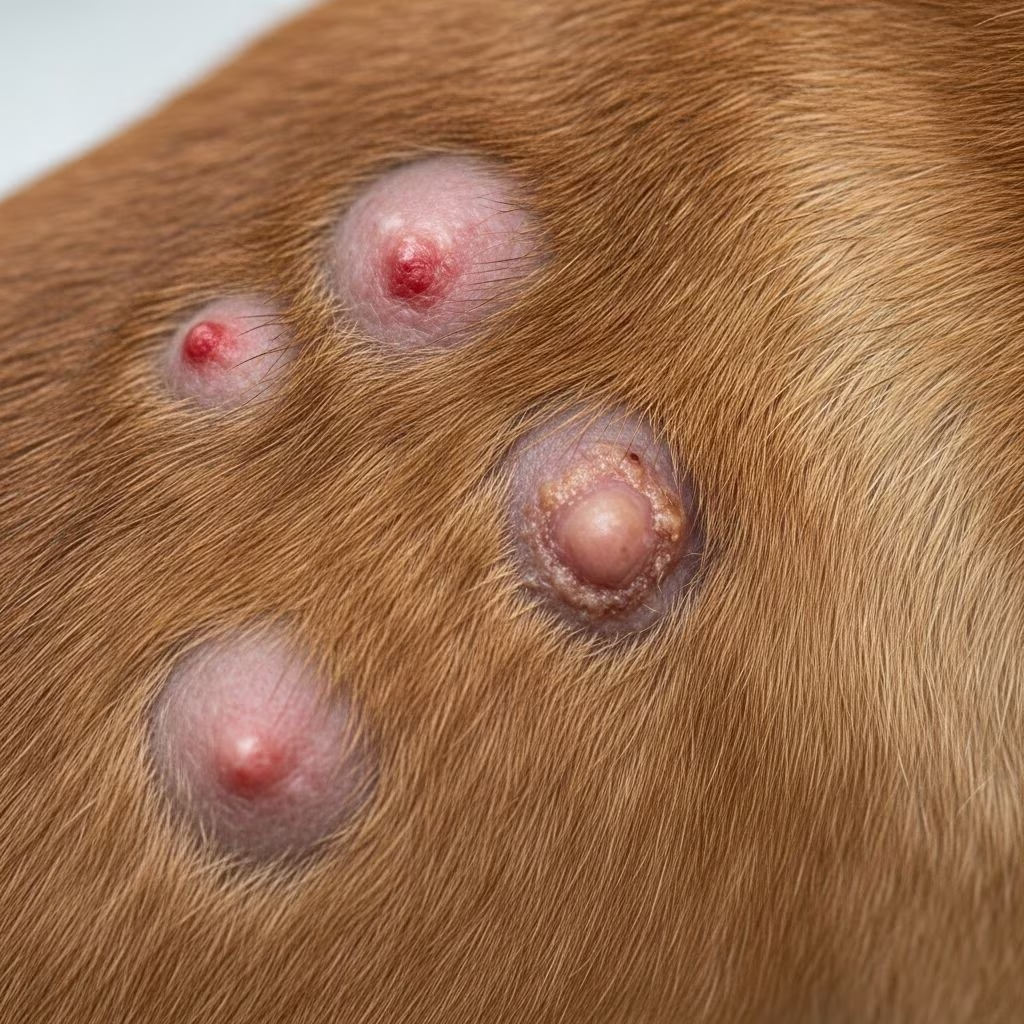
Why Does Your Dog Have Bumps on Their Back?
Finding bumps or lumps on your dog’s back can be concerning for any pet owner. However, not all bumps are cause for alarm. Many common skin growths in dogs are benign and require minimal treatment, while others may indicate an underlying health condition that needs veterinary attention. Understanding the different types of bumps and their characteristics can help you determine whether your dog needs immediate medical care or if you can monitor the situation.
Assessing Your Dog’s Bumps: What to Look For
When you discover a bump on your dog’s back, the first step is to carefully examine it. The location and appearance of the bump can provide valuable clues about its origin. Important details to notice include whether the bump appears on the surface of the skin, within the skin layers, or beneath the skin. If you can feel a bump under the skin without any visible disruption to your dog’s fur or outer skin layer, this helps narrow down possible causes. Conversely, if your dog has missing fur, scabs, or redness on the surface, this suggests the problem originates with the skin itself rather than a growth underneath.
It’s essential to understand that many different types of lumps and bumps can look similar but have completely different causes. A visual examination alone is often insufficient for diagnosis, and misidentifying a bump could mean missing something serious. This is why veterinary evaluation is crucial for any new lumps and bumps that appear on your dog’s body.
Lipomas: The Most Common Fatty Tumors
Fatty lipomas are among the most common lumps found on dogs, particularly in middle-aged and older dogs. These benign tumors are composed of fat tissue and typically feel soft and somewhat squishy to the touch. While lipomas are generally harmless and slow-growing, causing minimal discomfort to your dog, they should still be evaluated by a veterinarian.
One important thing to note is that lipomas can sometimes feel firmer than others, depending on their composition and location. If you feel a growth that seems hard, it should be examined by your vet. Additionally, if a previously diagnosed lipoma suddenly changes in appearance or texture, it needs to be rechecked, as changes in existing growths warrant professional evaluation.
It’s always important to have your vet make a definitive diagnosis of a lipoma because many other tumors can look and feel similar but could actually be malignant or cancerous, requiring more aggressive treatment. A biopsy may be necessary to confirm the diagnosis and rule out more serious conditions.
Non-Cancerous Skin Growths in Dogs
Beyond lipomas, several other non-cancerous skin growths can develop on dogs’ backs and bodies. Medical terms used to describe these include sebaceous gland adenomas, acrochordons, sebaceous cysts, apocrine cysts, and follicular cysts. Each of these has slightly different characteristics and appearances, but they all require professional evaluation because other tumors that look similar could be malignant.
Sebaceous Cysts
Sebaceous cysts are smaller bumps that can resemble a pimple or wart. They form from blocked oil glands and may burst and release a pasty, white substance. These cysts most commonly occur in breeds with fine hair, such as Poodles and Bichon Frises. While they may disappear on their own, some can remain for years and have the potential to become infected. Surgical removal is an option if they irritate your dog or become problematic.
Warts and Papillomas
Small, cauliflower-like bumps on your dog’s skin may be warts caused by the papillomavirus. These occur most often in puppies who don’t yet have fully developed immune systems and usually disappear on their own. Although the virus is contagious between dogs, it cannot be transmitted from dogs to humans. Viral infections can also cause other types of warts known as papillomas.
Button Tumors (Histiocytoma)
Also known as histiocytoma, button tumors are benign growths that affect puppies and young dogs between eight weeks and three years of age. They’re caused by an overproduction of immune cells and typically disappear on their own without treatment.
Other Causes of Skin Bumps in Dogs
Beyond tumors and growths, numerous other conditions can cause bumps to appear on your dog’s back and body. Understanding these alternative causes is important for proper diagnosis and treatment.
Allergic Reactions and Hives
Hives are a form of allergic reaction in which round, flat or domed swellings form along the skin. Some dogs with hives may be itchy, while others may not experience any discomfort. Hives can result from contact with plants or chemicals, or they may develop from food allergies or medication reactions. Allergy bumps, also known as urticaria, are raised, red, or white bumps that can appear suddenly.
Common causes of allergy bumps include food allergies (beef, dairy, wheat, and chicken are frequent culprits), environmental allergies (pollen, mold, dust mites), and insect bites and stings. Symptoms accompanying allergy bumps may include intense itching, biting or licking of affected areas, swelling around the face and eyes, redness and inflammation, and in severe cases, respiratory issues. It’s important to have hives treated by a veterinarian right away to prevent more serious consequences of an allergic reaction.
Parasitic Infections: Fleas and Ticks
Parasites of the skin can cause bumps to develop on your dog. Embedded ticks themselves can look and feel like growths on the skin. Fleas, while tiny and not feeling like bumps themselves, can cause massive irritation to the skin, leading to bumps and scabs forming all over infested dogs. Proper flea and tick prevention is essential for maintaining your dog’s skin health.
Insect Bites and Stings
While less common, bee or wasp stings and bug bites can lead to bumps on the skin. Most of the time, these resolve quickly without any treatment, so you may not even notice them. However, some dogs can develop allergic reactions to these bites or stings, leading to significant swelling around the site, requiring immediate veterinary attention.
Bacterial and Fungal Skin Infections
Skin infections are very common in dogs, particularly those with allergies or other underlying skin conditions. Folliculitis is a fungal or bacterial skin infection that causes small, crusted bumps on your dog’s skin. Dogs with skin infections may be itchy or have a bad odor along with redness, bumps, or scabs. Superficial bacterial folliculitis is an infection that causes sores, bumps, and scabs on the skin, and these abnormalities are easier to see in shorthaired dogs.
In longhaired dogs, the most obvious symptoms may be a dull coat and shedding with scaly skin underneath. Folliculitis often occurs in conjunction with other skin problems, such as mange, allergies, or injury. These infections require medical treatment to resolve and will often require ongoing care to treat their underlying skin conditions. Treatment typically includes oral antibiotics and antibacterial ointments or medicated shampoos.
Abscesses
Usually caused by infection, abscesses are swollen tissue that can form around bug bites, animal bites, infected glands, and other types of sores. If not treated early, they may burst, which is painful for your dog. Antibiotics may be required to treat the infection.
Serious Conditions Requiring Immediate Attention
While many bumps are benign, some can indicate serious health conditions that require prompt veterinary intervention.
Mast Cell Tumors
Mast cell tumors are cancerous tumors that may occur either beneath or on top of the skin. They’re often solid to the touch and irregular in shape. The appearance of such a tumor should receive immediate attention from a veterinarian. Your vet will likely want to remove the tumor, if possible, before performing a biopsy to determine if cancer might have spread through your dog’s body. If surgical removal isn’t possible, you may be referred to a veterinary oncologist for chemotherapy or radiation treatment.
Hormonal and Autoimmune Conditions
Older dogs with hormone conditions, such as Cushing’s disease, can develop mineralized bumps known as calcinosis cutis as well as blackheads, also known as comedones. Dogs with autoimmune disease may develop vasculitis, a condition that can lead to scabbing in certain areas of the skin.
Other Skin Conditions
Traumatic injuries can lead to bumps on the skin, scars, or even skin tags caused by repeated microtraumas. There are so many different skin conditions that can lead to lumps and bumps that it makes it very difficult to characterize them all by visual description alone.
When to Seek Veterinary Care
Not every bump requires an emergency vet visit, but certain signs warrant prompt attention. Your veterinarian will use additional tools beyond visual examination, including a full physical exam, bloodwork findings, and biopsies, to gather more information and help determine the best course of action.
Consider seeking immediate veterinary care if:
- The bump grows rapidly or changes shape, which can indicate malignancy
- The bump becomes red, swollen, painful, or shows signs of infection
- Your dog shows signs of allergic reaction, including difficulty breathing or facial swelling
- The bump appears suddenly along with other symptoms like lethargy or loss of appetite
- You notice any unusual discharge or odor from the bump
Schedule a regular veterinary appointment if:
- A new bump appears and you’re unsure of its cause
- A previously diagnosed growth changes in appearance or texture
- Your dog is excessively licking or scratching at the bump
- Multiple bumps appear across your dog’s body
Diagnostic Process at Your Veterinary Appointment
When you bring your dog to the vet with concerns about bumps, the veterinarian will conduct a thorough evaluation. This typically includes visual inspection, palpation (physical touching and assessment), and discussion of your dog’s medical history and symptoms. Depending on the findings, your vet may recommend additional diagnostic tools such as bloodwork, skin scrapings, fungal cultures, or biopsies to obtain a definitive diagnosis. Understanding this process can help you prepare questions for your veterinarian and ensure your dog receives appropriate care.
Prevention and Maintenance
While you cannot prevent all skin conditions in dogs, certain preventive measures can reduce the risk of bumps and lumps:
- Maintain regular flea and tick prevention as recommended by your veterinarian
- Keep your dog’s skin clean and dry, with regular grooming appropriate for their coat type
- Provide a balanced diet to support skin health and immune function
- Monitor your dog regularly for new growths or changes to existing bumps
- Address any signs of allergies or skin irritation promptly
- Ensure your dog receives appropriate exercise and stress management
Frequently Asked Questions
Q: Are all bumps on a dog’s back cancerous?
A: No, the majority of bumps found on dogs are benign. Lipomas, sebaceous cysts, and other non-cancerous growths are much more common than malignant tumors. However, only a veterinarian can definitively determine whether a bump is cancerous through proper examination and diagnostic testing.
Q: Can lipomas be removed?
A: Yes, lipomas can be surgically removed if they interfere with your dog’s movement, become infected, or cause discomfort. However, since they are benign and slow-growing, many dogs live comfortably with lipomas without surgical intervention.
Q: How quickly should I take my dog to the vet if I find a new bump?
A: While not all bumps require emergency care, it’s best to schedule a veterinary appointment as soon as possible. This ensures prompt diagnosis and treatment if necessary. Contact your vet immediately if the bump shows signs of infection, rapid growth, or if your dog shows other concerning symptoms.
Q: What’s the difference between a bump on the skin versus under the skin?
A: Bumps on the surface of the skin, such as sebaceous cysts or folliculitis, often present with disrupted fur, scabs, or redness. Bumps under the skin, like lipomas, typically feel firm or squishy but don’t disturb the outer skin layer. This distinction helps your vet narrow down possible causes.
Q: Can my dog’s allergies cause bumps on their back?
A: Yes, allergic reactions can cause hives and other skin bumps. Food allergies, environmental allergies, and reactions to insect bites can all result in bumps appearing on your dog’s skin. If you suspect allergies, consult your veterinarian for proper testing and treatment.
References
- Why Does Your Dog Have Bumps on Their Back? — Kinship. https://www.kinship.com/dog-health/why-does-my-dog-have-bumps-on-his-back
- Lumps and Bumps on Dog’s Skin: Signs, Symptoms, Causes — American Kennel Club. https://www.akc.org/expert-advice/health/dog-skin-lumps-bumps/
- Allergy Bumps on Dogs: Is It an Emergency? — Apex Vets. https://apex.vet/blog/allergy-bumps-on-dogs/
- Pet Lumps & Bumps: When to Rush to the Vet vs. When to Watch and Wait — RVS Vet. https://rvsvet.com/pet-lumps-bumps-when-to-rush-to-the-vet-vs-when-to-watch-and-wait/
- Common Skin Conditions in Dogs — Catawba Animal Hospital. 2023-03-09. https://www.catawbaanimal.com/site/blog/2023/03/09/common-skin-conditions-dogs
- Pictures of Skin Problems in Dogs — WebMD. https://www.webmd.com/pets/dogs/ss/slideshow-skin-problems-in-dogs
- Pet Lumps & Bumps: When to Worry and What to Do — Florida Veterinary Medical Association. https://fvpetemergency.com/pet-lumps-bumps-when-to-worry-and-what-to-do/



