

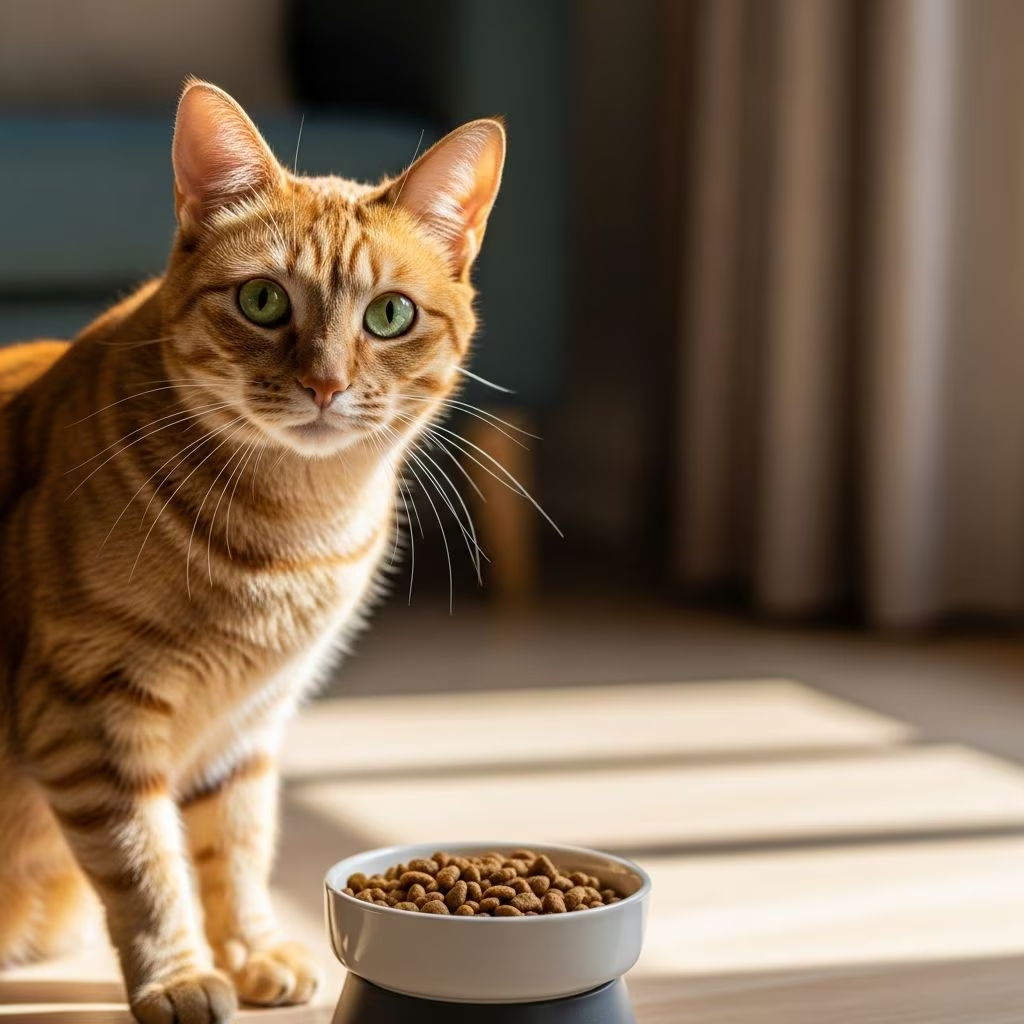
Cats often display quirky behaviors, from rejecting expensive toys for cardboard boxes to demanding a specific dining companion—you. This phenomenon, known as affection eating, occurs when your cat refuses to eat alone and insists on your presence, petting, or watchful eye during mealtimes. While frustrating for busy owners, this habit is typically harmless and even flattering, signaling trust and comfort in your company.
In the wild, eating leaves cats vulnerable, head down and senses dulled, making companionship a safety net. Domesticated cats retain these instincts, viewing you as protector. But is it always instinct? Or could it stem from bonding, learned habits, or stress? This article delves into the reasons, signs like staring while eating, and strategies to foster independent eating, ensuring your feline friend’s well-being.
Why does my cat want me to watch them eat?
Affection eating manifests in various ways: your cat might pace between you and the bowl, meow insistently until you sit nearby, or pause mid-bite to stare for reassurance. Picky eaters amplify this, refusing food without an audience. Understanding the roots helps determine if it’s benign or needs intervention.
Key manifestations include:
- Reluctance to eat alone, following you post-feeding.
- Requesting pets or scratches during meals.
- Staring intensely while chowing down for security.
- Improved appetite only with human presence.
Most cases pose no health risk, but monitor for weight loss or refusal to eat entirely, prompting a vet visit.
Instinctual behavior
Rooted in evolutionary survival, cats in the wild ate vigilantly to evade predators. With head lowered, vision obstructed, they relied on group members for lookout duty. Your presence mimics this, providing perceived safety.
Veterinarian insights confirm: “When a cat is eating, their head is down, and they can’t see around them to avoid an approaching predator. But knowing their human is around may help them feel more secure,” notes expert Koski. Domestic cats, even without real threats, inherit this wariness, especially in multi-pet homes or noisy environments.
Former strays or ferals often exhibit heightened instincts, nosing into others’ bowls or eating rapidly from scarcity fears.
Social bonding
Contrary to their independent image, cats are communal. Feral colonies and bonded pairs eat together, strengthening ties. Your cat includes you in their ‘colony,’ viewing you as family.
This bonding extends to communication: cats ‘talk’ through stares, purrs, or rubs during meals, affirming trust. They feel safe because you reliably provide food, care, and protection. In single-cat homes, you’re their sole social outlet, making mealtime a connection ritual.
Learned behavior
Habits form early. Kittens eat with littermates, learning security in company. Separated prematurely, they transfer this to owners. Shelter cats, surrounded by peers and staff, carryover the pattern.
Your reinforcement perpetuates it: sitting nearby once encourages repetition. Previous homes with routine supervision solidify the loop. Breaking it requires gradual weaning, not abrupt changes.
Anxiety or insecurity around eating
Stress triggers affection eating. Environmental shifts—moves, new pets, renovations, or illnesses—heighten vulnerability. Cats scan surroundings, ears twitching, body tense.
Signs of anxiety:
- Looking over shoulder mid-bite.
- Pacing or vocalizing pre-meal.
- Aggression if disturbed.
- Resource guarding in multi-cat setups.
Mitigate by quiet feeding spots, pheromone diffusers, or vet checks for underlying issues like dental pain.
Why does my cat stare at me while eating?
That piercing gaze mid-meal? It’s a plea for guardianship. Vulnerable while eating, your cat seeks visual confirmation of safety. In wild terms, it’s signaling ‘watch my back’.
Alternately, it’s affection or attention-seeking. Social eaters bond through eye contact, akin to slow blinks of trust. If stressed, the stare conveys unease; relaxed eyes and purrs indicate enjoyment.
Observe body language: flattened ears signal irritation; upright posture and kneading mean delight. Respect boundaries—some crave pets, others solitude.
How to train your cat to eat alone
Harmless in moderation, affection eating disrupts routines if absolute. Won’t eat without you? Rule out medical issues first via vet.
Training steps:
- Secure environment: Feed in quiet, elevated spots away from pets/kids. Use puzzle feeders for engagement.
- Gradual desensitization: Start nearby, slowly increase distance over days. Use a timer: 5 minutes present, then leave briefly.
- Positive reinforcement: Praise/treat post-independent eating. Ignore demands to avoid reinforcing.
- Multiple meals: Small, frequent sessions reduce pressure.
- Reduce stressors: Consistent routine, hiding spots, calming aids.
Progress varies; kittens adapt faster than seniors. Patience prevents aversion.
| Issue | Symptom | Solution |
|---|---|---|
| Affection Eating | Paces to you from bowl | Sit farther away gradually |
| Anxiety | Shoulder checks while eating | Quiet feeding zone |
| Learned Habit | Meows for attention | Ignore, reward solo eats |
| Resource Fear | Bolts food, steals from others | Separate feeding times |
Frequently Asked Questions (FAQs)
Why is my cat an affection eater?
Affection eaters crave company due to personality, bonding, learned habits from kittenhood/shelters, or anxiety. It’s common and often a trust compliment.
Does my cat have pica?
No direct link, but pica (eating non-food items) signals nutritional gaps. Watch for vomiting, diarrhea, excess thirst, constipation, lethargy alongside. Consult vet.
Is affection eating harmful?
Usually not, unless starvation occurs without you. Address via training/environment tweaks; persistent issues warrant vet evaluation.
Why does my cat follow me after eating?
Post-meal pacing seeks continued security or play/affection. Offer enrichment toys to redirect.
Can multi-cat homes cause this?
Yes, competition breeds insecurity. Feed separately; monitor bullying.
Understanding affection eating deepens your bond while promoting healthy habits. Your cat’s dinner demands aren’t manipulation—they’re a window into their world.
References
- Why Does Your Cat Want You to Watch Them Eat — Kinship. 2023. https://www.kinship.com/cat-behavior/why-does-your-cat-want-you-to-watch-them-eat
- Why Does My Cat Want Me to Watch Her Eat? Vet-Verified Facts & Info — Catster. 2024-05-15. https://www.catster.com/cat-behavior/affection-eating-and-cats/
- Deciphering Cat Body Language Around Food — Wellness Pet Food. 2022-08-10. https://www.wellnesspetfood.com/blog/deciphering-cat-body-language-around-food/
- Why Does My Cat Want Me To Watch Her Eat? — Cats.com. 2023-11-20. https://cats.com/why-does-my-cat-want-me-to-watch-her-eat



