

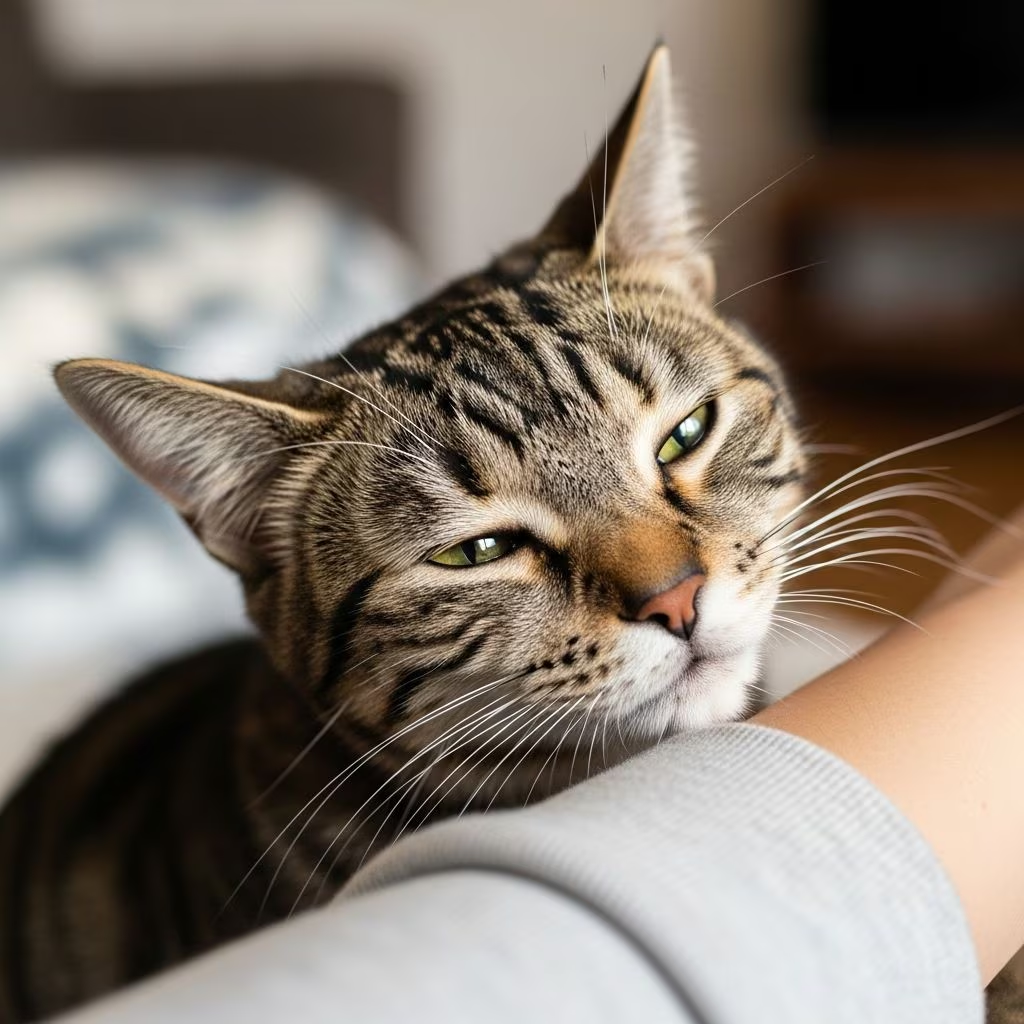
Your cat’s head rubbing, known as **bunting**, is a heartfelt gesture of affection, trust, and territory marking using pheromones from facial scent glands. This behavior integrates you into their social group and communicates needs like attention or food.
What Is Bunting in Cats?
**Bunting** is the term for when a cat rubs its head against you, objects, or other cats, depositing pheromones to mark familiarity and safety. It involves cheek, forehead, and chin glands secreting F3 and F4 pheromones for affiliative marking. Cats bunt to reinforce social bonds, with over 80% engaging in it during reunions, signaling you’re family. Unlike allorubbing (full-body rubs), bunting focuses on the head for intimate greetings.
This instinctive action evolved from wild feline colonies where scent-sharing maintained group cohesion. Domestic cats view owners as colony members, using bunting to say “you’re home and safe with me”. Purring often accompanies it, amplifying contentment.
Why Do Cats Bunt? 6 Vet-Reviewed Reasons
Cats bunt for multiple reasons, blending instinct and learned behavior. Here’s a breakdown:
- Affection and Social Bonding: Bunting greets and bonds, with arched backs and head presses showing love. It’s their “hug,” especially post-separation.
- Scent Marking Territory: Glands on cheeks, forehead, chin, and tail base release pheromones claiming you as territory. F4 pheromones mark familiars.
- Gathering Information: New cats or people prompt rubs to collect scents, assessing safety without seeking pets.
- Attention and Greeting: Rubs solicit pets, food, or play, reinforced by human responses.
- Communication of Needs: Pre-meal rubbing signals hunger; excessive may indicate heat or issues.
- Endorphin Release for Calm: Marking triggers feel-good chemicals, reducing stress.
| Action | Name | Meaning |
|---|---|---|
| Head/Cheek Rubbing | Bunting | Affection, trust, scent-marking as family |
| Body/Side Rubbing | Allorubbing | Territory greeting and bonding |
| Tail Rubbing/Wrapping | Tail Rub | Feline “hug” or handshake |
| Aggressive Rubbing | Hyper-affection | Excitement after absence or before food |
Affectionate Greetings: Your Cat’s Way of Saying Hello
When your cat approaches with an arched back, rubbing head and body while purring, it’s pure joy at your return. This **headbutting** maintains colony ties, evolved for social harmony. Studies show 80%+ cats allorub owners post-separation, confirming friendship status. If they arch and rub while walking beside you, it’s an invitation for interaction, rooted in security.
Stray cats rubbing signal trust and potential friendship-seeking, a rare honor. Combined with purring, it’s peak feline happiness.
Scent Marking: Claiming You as Theirs
The core drive is **scent marking**. Cats’ glands secrete pheromones—chemical signals—for territory and affiliation. Cheek glands produce F3 (familiarity on objects) and F4 (social marking on familiars). Rubbing reapplies fading scents post-outings, reclaiming you.
Pheromones calm cats, mimicking natural marking for security. Synthetic versions aid anxious cats. Tail-base glands add during full rubs. This isn’t ownership but integration into their world.
Communication of Needs: Food, Pets, and More
Rubbing evolves into a tool for needs. Leg rubs before meals train humans to feed; pets reinforce attention-seeking. It’s efficient communication in cat-human bonds.
Random cats rubbing may seek adoption, testing compatibility.
Medical Reasons for Excessive Cat Rubbing
Normal rubbing is gentle; excessive or frantic signals issues:
- Skin Allergies/Fleas: Itching prompts targeted rubs.
- Ear Infections: Head shaking and rubbing indicate pain.
- Heat in Females: Loud meowing with rubbing.
- Nervous System Problems: Rare behavioral shifts.
Monitor for changes; consult vets if compulsive.
Why Do Cats Arch Their Back and Rub Against You?
Arched-back rubbing heightens gland contact for stronger marking, showing extreme trust and delight. It’s a stretchy greeting, inviting scratches.
Why Do Cats Rub Their Face on You?
Face glands (cheeks, chin) target facial rubbing for precise F4 pheromones, emphasizing bonds.
Why Do Cats Purr and Rub Against You?
Purring + rubbing = ultimate contentment, signaling safety and love during greetings.
Frequently Asked Questions (FAQs)
What is it called when a cat rubs its head on you?
It’s **bunting**, a trust and bonding sign via pheromones.
Why do cats rub against you?
For affection, scent marking, greetings, info gathering, or needs like food.
Is cat head rubbing a sign of love?
Yes, it shows you’re family and trusted.
What if a stray cat rubs on me?
It feels safe, possibly seeking friendship.
Why do cats rub their tails on you?
Tail-base glands mark; it’s a warm “hug”.
Is excessive rubbing bad?
Possibly medical; vet check advised.
Embrace bunting as your cat’s ultimate compliment—reciprocate with gentle pets to strengthen bonds.
References
- Why Do Cats Rub Against You? 5 Hidden Reasons — LadyNPet. 2023. https://ladynpet.com/us/blog/why-do-cats-rub-against-you/
- Why Does Your Cat Rub Their Head On You? — Companion Animal Psychology. 2022-03-01. https://www.companionanimalpsychology.com/2022/03/why-does-your-cat-rub-their-head-on-you.html
- Why Do Cats Rub Against You? — PetMD. 2023. https://www.petmd.com/cat/behavior/why-do-cats-rub-against-you



