

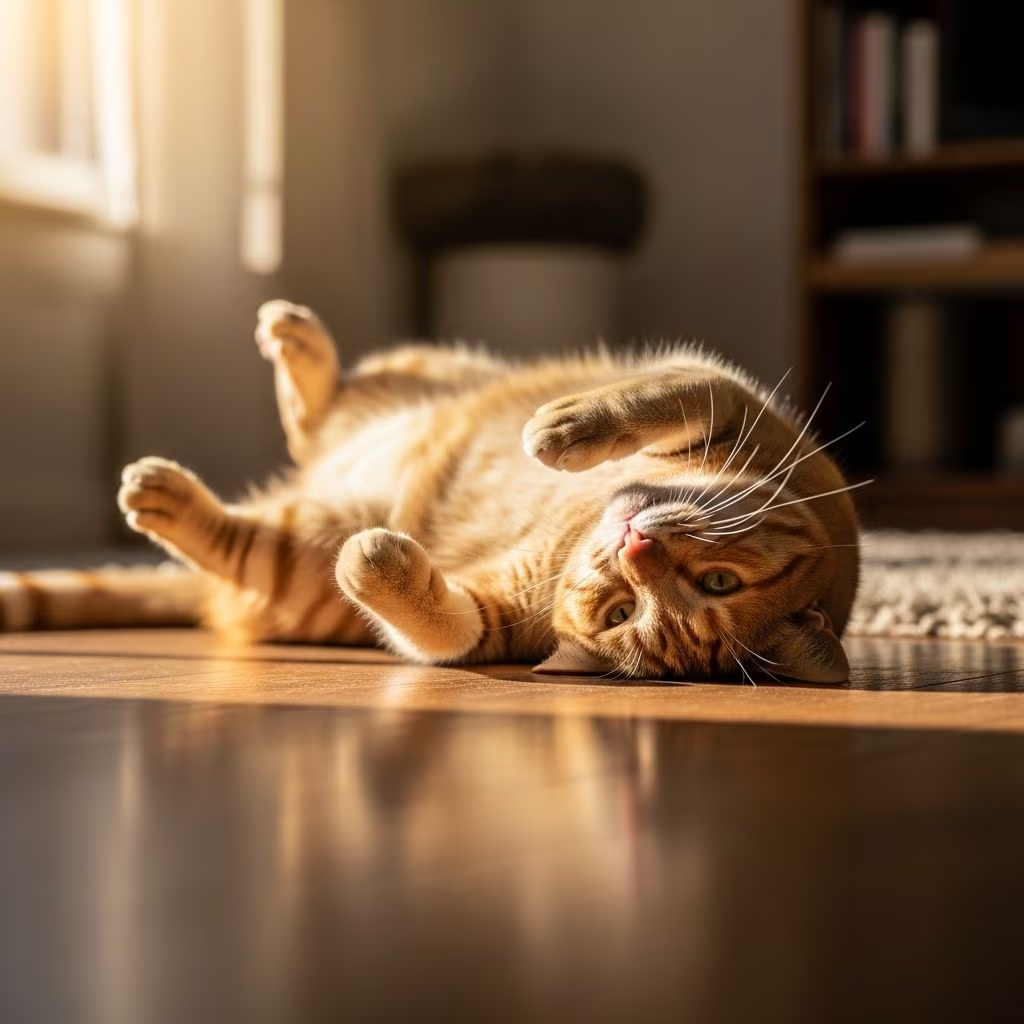
One of the most endearing and mysterious cat behaviors is when your feline friend suddenly flops onto the floor and rolls around ecstatically, paws in the air, sometimes chirping or meowing happily. This display can happen out of nowhere, leaving cat parents puzzled and delighted. But rest assured, this quirky habit is deeply rooted in your cat’s instincts, emotions, and environment. Understanding why cats roll around on the floor helps you connect better with your pet and spot when something might be amiss.
Holistic veterinarian Dr. Candy Akers explains that rolling is a natural form of body language for cats, similar to tail flicks or ear twitches, used to express emotions, respond to surroundings, or even signal health issues. Whether it’s pure bliss after a catnip session or a subtle cry for help from fleas, decoding these rolls reveals a lot about your cat’s world. In this comprehensive guide, we’ll break down the seven primary reasons behind this behavior, drawing from veterinary insights and feline behavior experts.
Why Do Cats Roll Around? 7 Common Reasons
Cats roll for a variety of reasons, blending instinct, pleasure, and necessity. Here’s a detailed look at each:
1. It’s in Their Genes: Breed and Personality Play a Role
Some cats are natural rollers due to their genetics and temperament. Breeds like **Ragdolls** and **Scottish Folds** are known for their laid-back, trusting natures, making them more prone to exposing their bellies in vulnerable positions. These sociable breeds feel secure around humans, so rolling becomes a way to show off their comfort.
Even mixed-breed cats with affectionate personalities exhibit this more often. If your cat came from a line of friendly felines or was socialized early, expect more floor acrobatics. This genetic predisposition ties back to wild cats’ social hierarchies, where subordinates roll to signal non-threat to alphas—a behavior domesticated cats retain when feeling safe.
2. They’re in Heat or Have Recently Mated
Unspayed females (and sometimes unneutered males) roll vigorously when **in heat**, typically between 6-12 months old. Hormones surge, triggering ovulation and erratic rolling paired with loud yowling, spraying, and affection-seeking. Post-mating, this intensifies to aid sperm fertilization, per feline biologists.
Signs include increased vocalization and restlessness. Spaying/neutering prevents this, reducing health risks like unwanted litters or cancers. If your cat is intact and rolling excessively, consult a vet about sterilization—it’s the responsible choice for population control and your pet’s well-being.
3. Territorial Marking with Scent Glands
Cats possess scent glands on their cheeks, paws, flanks, tail, and forehead. Rolling deposits pheromones on floors, claiming territory as “mine.” This is common in multi-cat homes or near doors/windows where intruders might lurk. Younger cats, especially males, roll more around elders as a submissive gesture.
It’s instinctual communication: pheromones signal ownership without confrontation. You’ll notice it in high-traffic areas like kitchens or hallways. Unlike dogs’ urine marking, it’s subtle and odorless to humans, reinforcing your cat’s environmental control.
4. Pure Fun and Happiness
Often, rolling is simply **fun**—a self-massage that stretches muscles and scratches itches. Cats in sunny spots with relaxed faces, leaning into chin rubs, are blissfully happy. It’s their version of a spa day, providing tactile pleasure and endorphin release.
Watch for playful purrs or half-closed eyes. This joyful rolling strengthens your bond; gently pet their head or sides (avoid belly unless invited) to join the fun. It’s a sign your cat feels content in its home.
5. Invitation to Playtime
Rolling signals **play readiness**, especially with catnip or silvervine toys. Nepetalactone in catnip mimics pheromones, inducing euphoric rolling, rubbing, and zooming. Without toys, it’s a direct invite to you or other pets: “Chase me!” Kittens roll most, honing hunting skills through simulated prey battles.
Respond with feather wands or laser pointers for 15-20 minutes daily. This prevents boredom-related issues like scratching furniture. Playful rolling keeps them mentally sharp and physically fit.
6. Environmental Reactions or Cooling Off
Hot weather prompts rolling on cool tiles to regulate body temperature (up to 102.5°F). Shady grass outdoors or kitchen floors indoors provide relief. Conversely, chilly cats seek warm spots like radiators.
Pests like fleas/lice irritate skin, driving rolls to soothe. Check for fleas with a comb; natural cooling aids health. Ensure fresh water and shaded areas in summer.
7. Health Issues or Medication Side Effects
Excessive rolling can signal **illness**: pruritus (itchiness) from allergies, poor diet, matted fur, or infections causes frantic rolls on carpets. Look for bald patches, redness, scabs. Flea/tick meds or ringworm treatments may burn skin, prompting rolls.
Consult a vet if accompanied by lethargy, vomiting, or odd postures. Early detection prevents escalation; allergies might need hypoallergenic food.
Do Cats Want Belly Rubs When They Roll Around?
Unlike dogs, a rolled-over cat showing its belly isn’t always a rub invitation. It’s a trust display—exposing vital organs signals safety—but wild instincts make bellies defensive zones. Most cats bite/scratch if touched there.
IAABC consultant Allison Hunter-Frederick notes relaxed rolls might allow head pets, but proceed cautiously. Build trust gradually; some cats evolve to enjoy gentle belly strokes, but respect boundaries to avoid injury.
When Should You Worry About Your Cat Rolling Around?
Normal rolling is sporadic, joyful, with relaxed body language. Worry if:
- It’s sudden, excessive, or frantic.
- Paired with aggression, hiding, or appetite loss.
- Skin issues like hair loss or wounds appear.
- Your cat is unspayed/in heat without prior patterns.
Vet checks rule out parasites, allergies, or pain. Routine exams catch issues early.
How to Encourage Healthy Rolling Behavior
- Provide catnip/silvervine toys for safe euphoria.
- Offer scratching posts and cool mats.
- Ensure balanced diet, grooming help for seniors.
- Spay/neuter to curb heat rolls.
- Daily play sessions channel energy.
Frequently Asked Questions (FAQs)
Is it normal for my cat to roll around on the floor every day?
Yes, daily rolling is common for happy, playful cats, especially in safe homes.
Why does my male cat roll around more than my female?
Males often mark territory more; unneutered ones show heat-like behavior.
Should I pet my cat’s belly when it rolls over?
Usually no—it’s a trust sign, not an invite. Stick to head/scritches.
Can rolling indicate pain or illness?
Yes, if excessive with skin issues or distress; see a vet promptly.
Why does my cat roll on grass outside?
For cooling, marking, or parasite relief—natural but check for fleas.
Table: Rolling Behavior Quick Guide
| Reason | Signs | Action |
|---|---|---|
| Happiness/Play | Relaxed, purring, toys nearby | Join in play! |
| Heat/Territory | Vocal, spraying, frequent | Spay/neuter, clean areas |
| Health Issue | Frantic, bald spots, lethargy | Vet visit |
| Cooling/Itch | Hot day, rolling on cool surfaces | Water, flea check |
Understanding your cat’s rolls deepens your bond and ensures their health. Next time Fluffy flops, you’ll know exactly what’s up!
References
- 7 Reasons Why Your Cat Rolls Around — Rover.com / Dr. Candy Akers. 2023. https://www.rover.com/blog/why-do-cats-roll-around/
- Why Do Felines Wallow on the Ground? — Ownat. 2024. https://www.ownat.com/why-do-felines-wallow-on-the-ground
- Unraveling the Mystery: 5 Reasons Why Cats Roll Around — Waggle Pet Monitor. 2023. https://mywaggle.com/blogs/pet-behaviour/unraveling-the-mystery-5-reasons-why-cats-roll-around
- Why Does Your Cat Roll Around When Seeing You? — YouTube. 2023. https://www.youtube.com/watch?v=g7AuxPwr1Ck



