

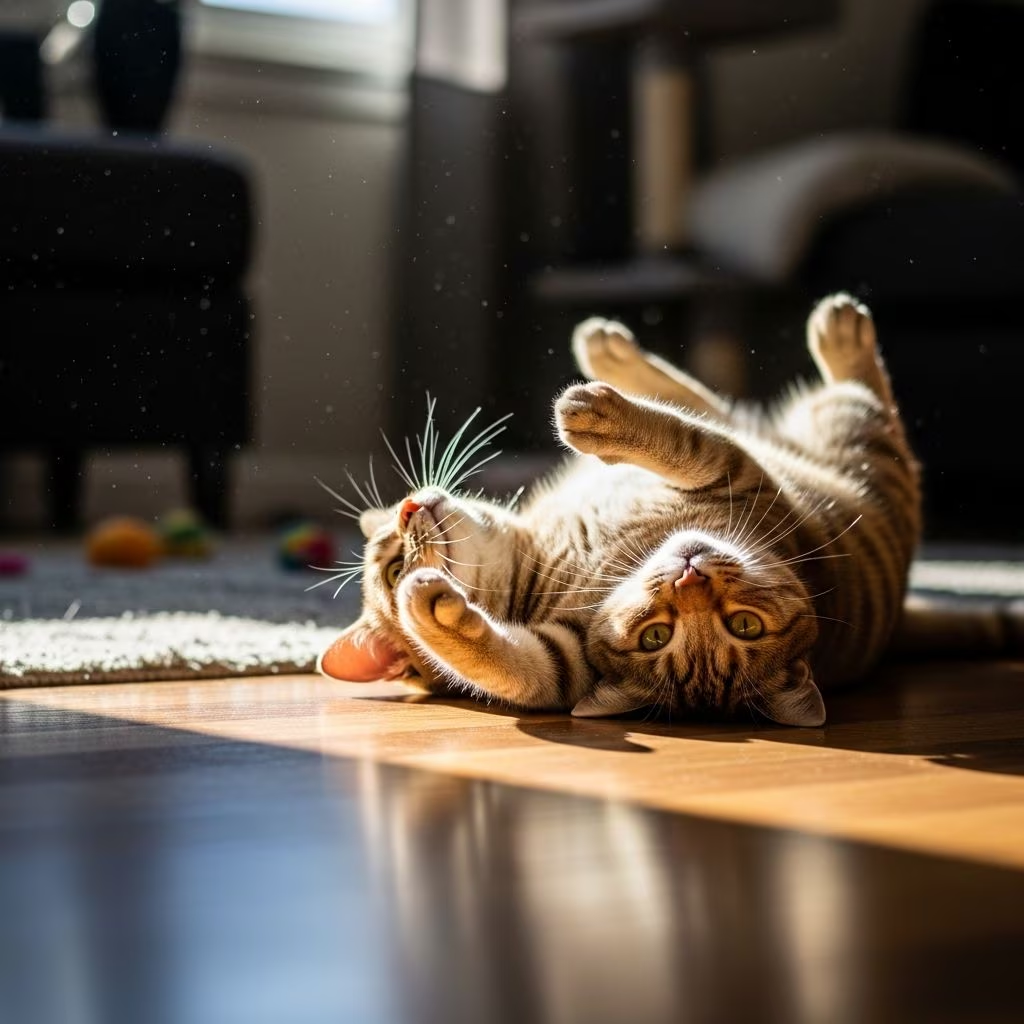
Cats are enigmatic creatures, famous for their unpredictable behaviors that both charm and puzzle their human companions. One of the most endearing sights is watching your cat flop onto the floor and roll around ecstatically, paws flailing in the air and eyes half-closed in bliss. But what does this quirky action really mean? Is it pure joy, a cry for attention, or something more instinctual?
This behavior, often called the ‘cat roll’ or ‘elevator butt,’ is a multifaceted expression rooted in your cat’s biology, emotions, and environment. Far from random, rolling around serves several purposes, from marking territory to seeking relief from itches or heat. Understanding these reasons not only deepens your bond with your feline friend but also helps you spot when it might signal a health issue. In this comprehensive guide, we’ll break down the science and instincts behind why cats roll on the floor, drawing from veterinary experts and behavioral studies.
It’s a Sign of Happiness and Trust
When your cat rolls onto its back exposing its belly while gazing at you with relaxed eyes, it’s often a profound display of trust and contentment. Holistic veterinarian Dr. Candy Akers explains that this vulnerable position—bellies are a cat’s most protected area in the wild—indicates your pet feels completely safe in your home. Breeds like Ragdolls and Scottish Folds, known for their docile natures, are particularly prone to this ‘social roll’ as a greeting or affection signal.
Picture this: you walk through the door after a long day, and your cat immediately flops over, purring loudly. This isn’t just play; it’s your cat saying, ‘I love you and feel secure here.’ Behavioral consultant Allison Hunter-Frederick notes that such rolls often accompany relaxed body language, like sunbathing or leaning into chin scratches, amplifying the pleasure of tactile stimulation on their back and muscles.
Territorial Marking Through Scent Glands
Cats are masters of subtle communication, using scent glands located on their cheeks, paws, flanks, tail, and even lower back to claim their territory. Rolling on the floor deposits these pheromones, effectively marking the space as ‘mine’ and communicating with other cats (or even dogs in multi-pet homes).
Younger cats, especially males, may roll more around older felines as a subordinate gesture, reinforcing social hierarchies. Indoors, you’ll notice this on carpets, furniture, or high-traffic areas—key zones your cat wants to control. Outdoor rollers often target grass, dirt, or pavement for the same reason, blending their scent with environmental markers. This instinct harks back to their wild ancestors, ensuring survival through olfactory boundaries.
They’re in Heat or Have Recently Mated
For unspayed or unneutered cats, excessive rolling can signal hormonal surges. Females between 6-12 months often exhibit vigorous, erratic rolls during estrus (heat), accompanied by loud yowling, spraying, and rubbing. Post-mating, this behavior intensifies to aid ovulation, as biologists hypothesize it helps sperm reach eggs more efficiently.
Males may roll similarly when detecting a female in heat nearby, driven by reproductive pheromones. If your cat is intact, this rolling is a clear fertility advertisement. Spaying or neutering typically reduces or eliminates this, preventing unwanted litters and associated stress. Watch for clustered rolling sessions with vocalizations—these are hallmarks of heat cycles.
It’s Pure Fun and Playtime
Sometimes, a roll is just a cat being a cat—pure, unadulterated fun! The ground provides delightful friction for back massages, muscle stretches, and full-body stretches, mimicking yoga for felines. Cats in sunny spots or relaxed moods often pair rolling with playful pouncing or toy-chasing, their eyes sparkling with joy.
This ties into predatory instincts: rolling simulates wrestling prey or battling siblings, keeping hunting skills sharp even in domestic bliss. Kittens especially love it as exercise, toning muscles and improving flexibility. If your cat rolls near you or toys, it’s an invitation to join the fun—dangle a feather wand and watch the magic unfold.
Reaction to Catnip, Silvervine, or Pleasant Stimuli
Catnip (Nepeta cataria) contains nepetalactone, a compound mimicking feline pheromones that induces euphoria in about 70-80% of cats. Response? Frenzied rolling, face-rubbing, and drooling bliss. Silvervine or valerian root triggers similar ecstatic rolls, often lasting 5-15 minutes before wearing off.
Not all cats react—it’s genetic—and sensitivity decreases with age. Toys stuffed with these herbs amplify the effect, turning your living room into a feline rave. Environmentally, pleasant textures like soft blankets or warm spots provoke rolls too, as noted in observations of cats choosing cozy patches for their ‘love fests’.
Seeking Coolness or Temperature Regulation
Cats’ body temperature hovers around 100.5-102.5°F, making them sensitive to heat. On hot days, they roll on cool tiles, stone floors, or shady grass to dissipate heat through conduction, lowering core temp efficiently. Conversely, in cold weather, warm surfaces like hearths or sun-heated driveways draw rolls for cozy absorption.
Ensure fresh water and shaded areas during summer; this behavior prevents overheating. Indoor cats favor kitchen floors for their chill factor, often stretching out post-roll in relief.
Scratching an Itch or Dealing with Parasites
That vigorous twist? It might soothe hard-to-reach itches from fleas, lice, dry skin, or allergies. Parasites irritate fur and skin, prompting rolls on abrasive surfaces like carpets or dirt for friction relief. Pruritus (itchiness) from histamines can stem from diet sensitivities, fungal infections, matting, or poor grooming, showing as red patches, bald spots, or scabs.
Self-grooming plays a role too—rolling dislodges debris and distributes natural oils for hygiene. Monitor frequency: occasional is fine, but persistent with skin changes warrants a vet visit for flea treatments or allergy tests.
Stress Relief and Emotional Expression
Like humans kneading dough, cats roll to self-soothe anxiety or release endorphins. New environments, changes, or mild stress prompt this calming ritual, signaling emotional comfort. Playful rolls express joy, while erratic ones might indicate unease—context is key.
Do Cats Want Belly Rubs When They Roll Around?
No, not always! Unlike dogs, a cat’s exposed belly during a roll is rarely an invitation—it’s a trust display from wild ancestry where stomachs house vital organs. Petting there can trigger defensive scratches or bites. Instead, stroke the head or cheeks. Only attempt if your cat explicitly solicits it with purring and paw-kneading.
When to Worry: Health Red Flags
Normal rolling is joyful and infrequent. Worry if:
- It’s sudden, excessive, or frantic without triggers like catnip.
- Accompanied by limping, lethargy, vomiting, or appetite loss.
- Skin issues: hair loss, wounds, or foul odor suggest infections/parasites.
- Hormonal in intact cats—consider sterilization.
Consult a vet promptly; early detection saves lives. Dr. Akers emphasizes context: happy rolls relax, pained ones tense.
Frequently Asked Questions (FAQs)
Why does my cat roll around when I come home?
This ‘social roll’ shows love, trust, and excitement. They’re scent-marking you as family.
Is cat rolling on the floor a sign of pain?
Usually not, but if obsessive with other symptoms like hiding or aggression, check for issues like fleas or injury.
Why do only female cats roll a lot?
Unspayed females in heat do, fueled by hormones. Neutering curbs this.
Should I stop my cat from rolling outside?
No, it’s natural for scenting and cooling, but inspect for dirt/parasites post-roll.
How can I encourage happy rolling?
Provide catnip toys, scratching posts, and playtime. A safe, enriched environment promotes it.
References
- 7 Reasons Why Your Cat Rolls Around — Rover.com. 2023. https://www.rover.com/blog/why-do-cats-roll-around/
- Why Do Felines Wallow on the Ground? — Ownat. 2024. https://www.ownat.com/why-do-felines-wallow-on-the-ground
- Unraveling the Mystery: 5 Reasons Why Cats Roll Around — Waggle Pet Monitor. 2023. https://mywaggle.com/blogs/pet-behaviour/unraveling-the-mystery-5-reasons-why-cats-roll-around
- Why Does Your Cat Roll Around When Seeing You? — YouTube (Cat Behavior Video). 2023. https://www.youtube.com/watch?v=g7AuxPwr1Ck
- Cat Behavior 101: Why Cats Do The Social Roll — Cat Wisdom 101. 2022. https://catwisdom101.com/cat-behavior-why-cats-do-the-social-roll/



