

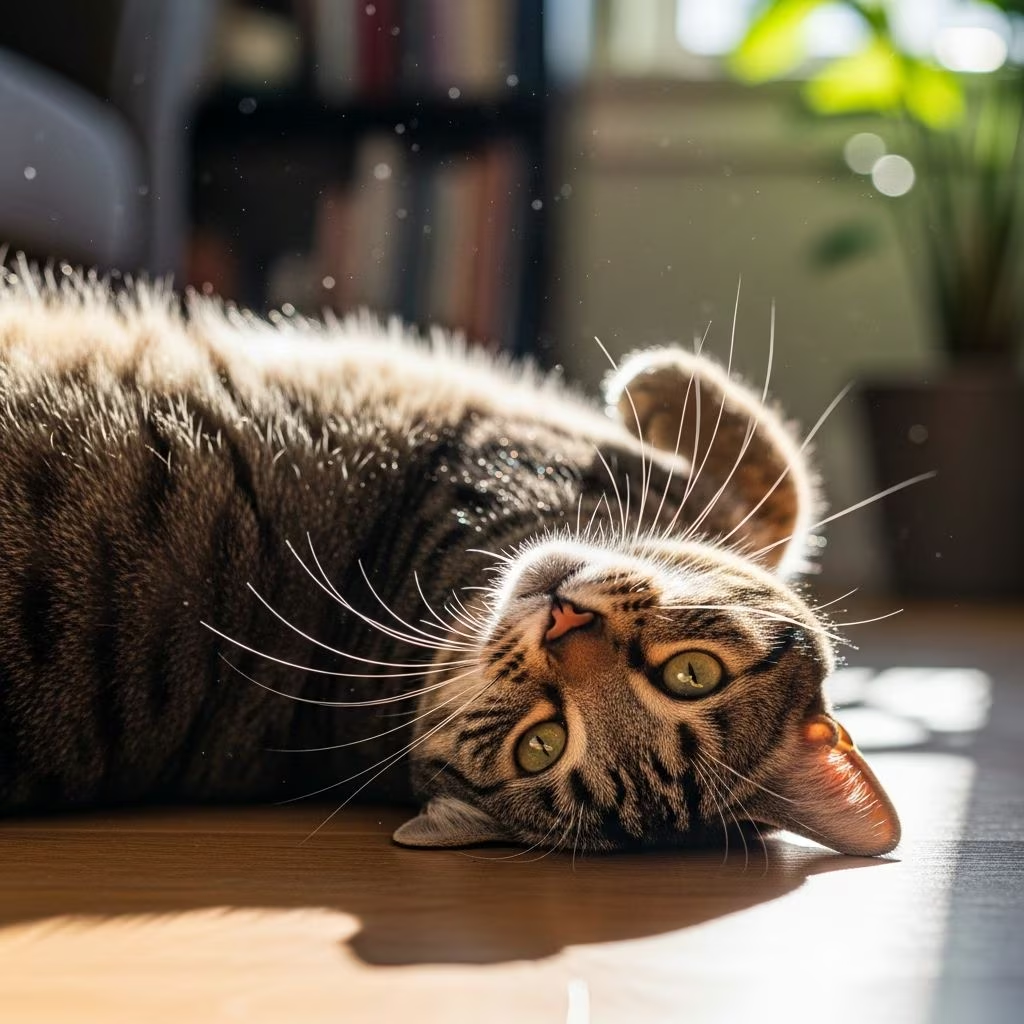
Cats have a repertoire of quirky behaviors that both charm and mystify their owners. One of the most endearing yet puzzling is when your cat suddenly flops onto the floor and rolls around ecstatically, paws in the air, sometimes accompanied by contented purrs or playful meows. This “social roll” or floor-rolling isn’t random—it’s a multifaceted expression rooted in instinct, emotion, and environment. Understanding it can deepen your bond with your feline companion and help you spot when something might be amiss.
From genetic predispositions to hormonal surges, territorial instincts to sheer joy, rolling serves various purposes. Holistic veterinarian Dr. Candy Akers notes that it’s a natural form of body language, akin to tail flicks or ear twitches, conveying mood and needs. In this comprehensive guide, we’ll break down the primary reasons cats roll around, when to offer belly rubs (or not), potential health red flags, and how to respond. Whether your cat is a playful kitten or a senior lounger, these insights will help you decode their antics.
It’s in Their Genes: Breed and Personality Influence
Cat rolling often traces back to genetics and temperament. Breeds known for their laid-back, affectionate natures—like Ragdolls, Scottish Folds, and Siamese—are more prone to this vulnerable display. These cats feel secure enough to expose their bellies, a position that leaves their vital organs unprotected in the wild.
Dr. Akers explains that friendly, trusting cats roll more frequently because they view their home (and you) as safe territory. Less social breeds, such as some independents like the Russian Blue, might reserve this behavior for rare moments of utter relaxation. Observe your cat’s overall demeanor: relaxed eyes, slow blinks, and purring during rolls signal genetic comfort rather than stress.
This innate trait persists across ages but peaks in youth. Kittens roll to build social bonds with littermates, practicing play-fighting and scent-sharing. Adult cats carry this forward, using rolls to affirm pack hierarchy or simply unwind. If your cat is a chronic roller from a sociable breed, it’s likely just their personality shining through.
They’re in Heat or Have Recently Mated
Hormonal fluctuations are a major driver, especially in unspayed or unneutered cats. Females in heat (typically 6-12 months old) exhibit vigorous, erratic rolling fueled by ovulation urges. This behavior, often paired with loud yowling, spraying, and affection-seeking, releases pheromones to attract mates.
Males also roll post-mating or when sensing a female in estrus nearby. Feline biologists suggest this intense rolling aids sperm transport by stimulating fertilization—a primal reproductive ritual. Neutering significantly reduces these displays, promoting calmer behavior and preventing unwanted litters.
Signs include restlessness, increased vocalization, and rubbing on furniture. If your cat is intact and rolling excessively, consult a vet about sterilization to curb these cycles and improve health. Spaying/neutering also lowers risks of cancers and roaming.
Territorial Marking: Claiming Their Domain
Cats are scent-marking masters with glands in cheeks, paws, flanks, tails, and faces. Rolling deposits these unique pheromones on floors, carpets, or grass, declaring “This is mine!” It’s especially common in multi-cat homes or near entryways.
- Key areas: Doorways, beds, scratching posts—high-traffic zones.
- Age factor: Young males roll more around elders as submissive signaling.
- Indoor vs. outdoor: House cats mark more indoors; ferals use it on dirt paths.
This behavior reinforces security. If a new pet arrives, expect increased rolling as they reassert boundaries. It’s harmless unless obsessive, which might indicate anxiety.
It’s Fun: Pure Joy and Relaxation
Sometimes, rolling is simply blissful fun. The ground provides tactile pleasure, massaging backs, stretching muscles, and scratching itches in hard-to-reach spots. Cats in sunny patches or cool tiles roll with half-closed eyes and kneading paws, embodying contentment.
Like a cat yoga session, it maintains flexibility and relieves tension. Pair it with play bows or toy-chasing, and it’s clear: your cat is happy and healthy. Encourage this by providing varied textures—rugs, mats, grass pens.
They Want to Play or React to Catnip
Rolling often invites interaction. When greeting you, cats roll to say, “Pet me! Play!” It’s a social cue, spreading scent to bond. Catnip or silvervine amplifies this: nepetalactone triggers euphoria, leading to ecstatic rolls and rubs.
- Catnip effects: 10-15 minute highs; not all cats respond (genetic).
- Play signals: Dilated pupils, arched back, batting paws.
Respond with wand toys or gentle strokes—ignore for solitude rolls.
Environmental Reactions: Cooling Off or Dealing with Pests
Cats’ body temperature hits 102.5°F, so hot days prompt rolls on cool floors or dirt for relief. Conversely, chilly cats seek warm spots. Pests like fleas cause itch-relief rolls; check for irritation.
Provide cooling mats and flea preventives.
Do Cats Want Belly Rubs When They Roll Around?
No—unlike dogs, exposed bellies aren’t rub invitations. It’s a trust display, but stomachs house organs, triggering defensive bites. IAABC consultant Allison Hunter-Frederick advises head/chin pets instead.
When Rolling Signals Health Issues
Excessive rolling can indicate pruritus from allergies, fleas, or infections—watch for bald spots, redness. Table below summarizes:
| Sign | Possible Cause | Action |
|---|---|---|
| Redness, scabs | Allergies, fleas | Vet visit, flea treatment |
| Bald patches | Matting, infections | Grooming, meds |
| Obsessive rolling | Stress, pain | Behaviorist consult |
Frequently Asked Questions (FAQs)
Is cat rolling always a good sign?
Usually yes, indicating happiness or normalcy, but monitor for excess with other symptoms.
Why do cats roll more in summer?
To cool off on tiles or dirt, regulating high body heat.
Responding to Your Cat’s Rolls: Tips for Owners
Observe context: Play if energetic; relax if mellow. Offer toys, safe spaces. Vet check if sudden changes. This behavior enriches cat-human bonds.
References
- 7 Reasons Why Your Cat Rolls Around — Rover.com, Dr. Candy Akers. 2023. https://www.rover.com/blog/why-do-cats-roll-around/
- Why Do Felines Wallow on the Ground? — Ownat. 2024. https://www.ownat.com/why-do-felines-wallow-on-the-ground
- 5 Reasons Why Cats Roll Around — Waggle Pet Monitor. 2024. https://mywaggle.com/blogs/pet-behaviour/unraveling-the-mystery-5-reasons-why-cats-roll-around
- Why Does Your Cat Roll Around When Seeing You? — YouTube (Cat Behavior Video). 2023. https://www.youtube.com/watch?v=g7AuxPwr1Ck
- Cat Behavior 101: Why Cats Do The Social Roll — Cat Wisdom 101. 2023. https://catwisdom101.com/cat-behavior-why-cats-do-the-social-roll/



