

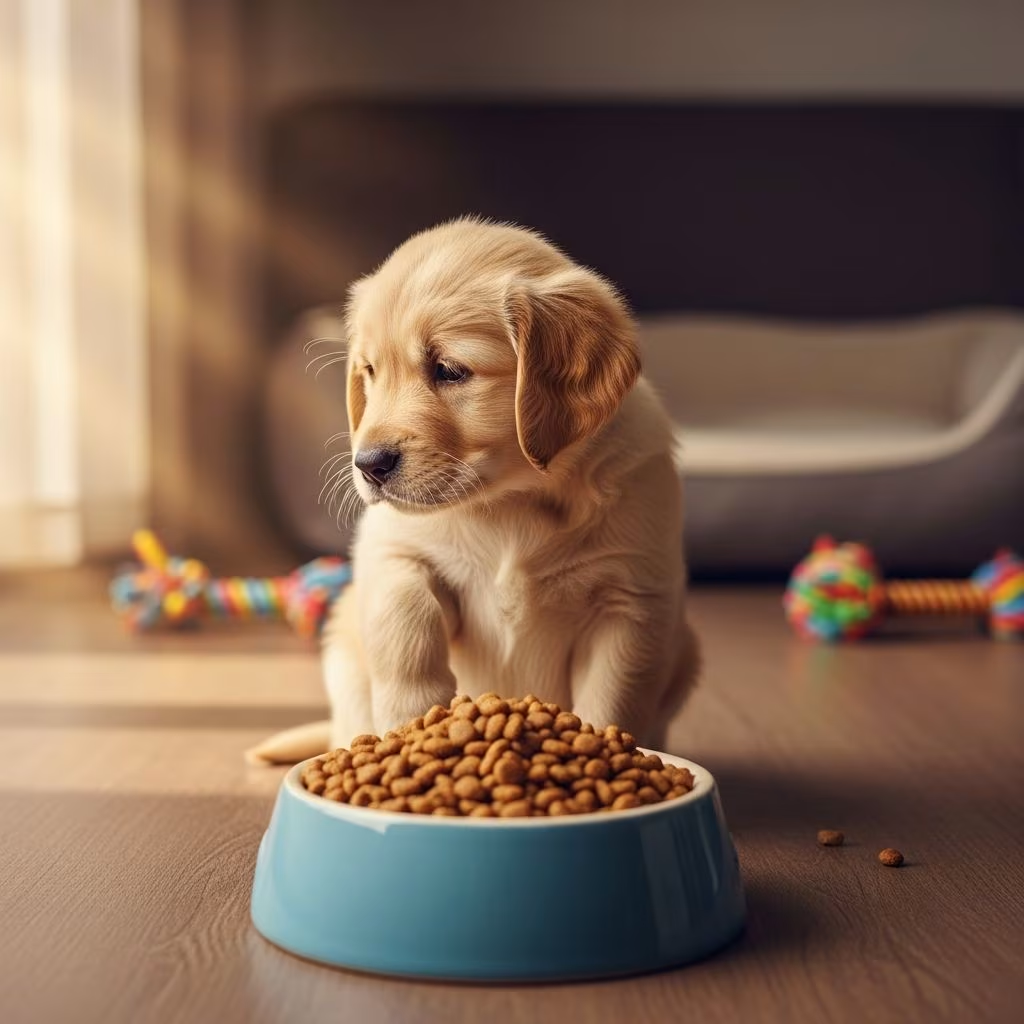
Puppies require consistent nutrition for healthy growth, but many new pet parents face the frustrating issue of their puppy refusing food. A sudden loss of appetite can stem from various causes, ranging from temporary adjustments to serious health concerns. Understanding these reasons helps you respond effectively, ensuring your puppy returns to normal eating habits quickly.
This comprehensive guide explores common triggers like stress, teething, dietary shifts, and medical issues, offering actionable solutions backed by veterinary insights. Early intervention prevents weight loss, weakened immunity, and developmental problems in growing pups.
Common Reasons Puppies Lose Their Appetite
Puppies might skip meals due to environmental, physical, or health-related factors. Identifying the root cause is key to resolution. Below are the primary reasons supported by pet health experts.
1. Stress and Environmental Changes
New environments overwhelm sensitive puppies, leading to appetite suppression. Moving to a new home, separation from littermates, or introductions to new family members trigger anxiety, mimicking human stress responses.
- Sudden routine disruptions, like changes in feeding times or household dynamics, exacerbate unease.
- Separation anxiety, common in recently adopted pups, reduces interest in food during alone time.
To counteract this, create a calm feeding space away from traffic. Maintain consistent schedules and provide reassurance through gentle play. Light exercise before meals can stimulate hunger without overexertion.
2. Recent Adoption or Transition from Breeder/Shelter
Puppies from breeders or shelters often resist new foods they’re unaccustomed to. Abrupt diet switches upset digestion, causing refusal.
- Attachment to familiar formulas from previous caregivers makes novel kibble or wet food unappealing.
- Travel stress compounds the issue during the first days home.
Transition gradually: mix old and new food over 7-10 days, increasing the new portion daily. Choose high-quality, breed-specific puppy formulas meeting AAFCO standards for growth.
3. Medical Issues and Illness
Underlying health problems demand prompt attention. Vaccinations, infections, parasites, or gastrointestinal upset (e.g., diarrhea, vomiting) sap appetite.
- Post-vaccination lethargy, dubbed “vaccine blahs,” temporarily curbs eating as the immune system works.
- Parasites like worms or serious conditions such as pancreatitis signal via refusal plus symptoms like lethargy or bloating.
Monitor for 24-48 hours; if no improvement or additional signs appear (weight loss, behavioral shifts), consult a vet immediately. Routine check-ups, vaccinations, and deworming prevent many issues.
4. Teething Discomfort
Between 3-6 months, puppies teethe, causing sore gums that make chewing painful. This phase leads to selective eating or total refusal.
- Inflammation from emerging adult teeth deters hard kibble consumption.
- Oral injuries, infections, or growths compound discomfort.
Offer soft alternatives: soaked kibble, wet food, or frozen broth cubes. Provide chew toys to soothe gums. Symptoms should resolve as teething progresses; vet dental checks ensure no deeper problems.
5. Food-Related Problems
Unappealing food drives picky behavior. Stale, expired, or poorly stored kibble loses aroma and taste.
- Sudden diet changes without transition cause digestive upset.
- Texture preferences (dry vs. wet) or insufficient palatability lead to rejection.
Warm food to room temperature to enhance smell. Experiment with proteins (chicken, beef) gradually. Ensure freshness by buying smaller bags and proper storage.
6. Overfeeding, Treats, or Spoiling
Excess treats fill small puppy stomachs, spoiling appetite for meals. Training rewards or table scraps disrupt balance.
- Puppies eating treats but ignoring kibble indicate overindulgence.
- Grazing from uneaten bowls encourages finickiness.
Limit treats to 10% of calories. Follow feeding guides: 3-4 meals daily for pups under 6 months, removing uneaten food after 15-20 minutes. Use healthier, meat-based rewards sparingly.
7. Behavioral and Routine Factors
Puppies test boundaries like toddlers, refusing food for attention. Inconsistent schedules foster poor habits.
- Distractions during meals (noise, other pets) divert focus.
- Overexercise or fatigue from play imbalances energy needs.
Establish routines: feed at set times in a quiet area. Use puzzle feeders for engagement. Positive reinforcement encourages compliance without force.
How to Get Your Puppy Eating Again: Proven Tips
Reviving appetite requires patience and strategy. Start with simple tweaks before escalating to vet advice.
| Tips | How It Helps | Best For |
|---|---|---|
| Warm food slightly | Releases aromas, mimicking fresh meat | Picky eaters, food issues |
| Mix wet/dry or top with broth | Improves texture and flavor | Teething, transitions |
| Consistent schedule (3-4 meals/day) | Builds hunger cycles | Behavioral problems |
| Quiet, distraction-free zone | Reduces stress | Environmental changes |
| Light pre-meal walk | Stimulates digestion | Fatigue, low activity |
| Puzzle/slow feeders | Makes eating fun | Boredom, speed eaters |
Hand-feeding builds trust initially. Avoid human food to prevent dependency. Track intake over days; weigh weekly to monitor growth.
When to See a Vet: Red Flags
Occasional skips are normal, but persistent refusal (over 24-48 hours) warrants professional evaluation.
- Urgent signs: Lethargy, vomiting, diarrhea, bloating, weight loss, fever, or behavioral changes.
- Puppies under 6 months risk hypoglycemia from fasting; act fast.
- Vets may recommend appetite stimulants, tests for parasites/infections, or dietary plans.
Regular wellness exams catch issues early. Maintain vaccination and deworming schedules per guidelines.
Preventing Future Appetite Issues
Proactive habits ensure steady eating:
- Choose nutrient-dense, AAFCO-approved puppy food tailored to size/breed.
- Socialize early to minimize stress responses.
- Monitor growth charts; adjust portions as they age.
- Balance exercise, play, and rest for optimal energy.
Annual vet visits and prompt transitions prevent most problems. Healthy puppies thrive on routine and quality care.
Frequently Asked Questions (FAQs)
Q: How long can a puppy go without eating?
A: Puppies should not fast over 24 hours; under 12 weeks, even less due to low reserves. Consult a vet immediately if refusal persists.
Q: Is it normal for puppies to not eat when teething?
A: Yes, temporary discomfort reduces appetite. Offer soft foods and toys; it resolves in weeks.
Q: What if my puppy eats treats but not kibble?
A: Cut treats entirely for 24 hours. Enhance kibble appeal and stick to schedule.
Q: Can stress cause permanent appetite loss?
A: Rarely, if addressed early. Consistent routines restore normalcy quickly.
Q: Should I force-feed my puppy?
A: No, it creates aversion. Use enticing methods; seek vet for syringe feeding if dehydrated.
References
- Puppy not Eating – Causes and Solutions — VitaPet. 2023. https://vitapet.com/au/vitapet-central/articles/puppy-not-eating-causes-and-solutions/
- Why is Your Puppy Not Eating? Reasons for a Change in Food Intake — Purina. 2023. https://www.purina.com/articles/dog/puppy/health/puppy-not-eating
- Why is My Puppy Not Eating? (2023) — Beco Pets. 2023-10-01. https://www.becopets.com/blogs/news/puppy-not-eating
- Dog Not Eating? Possible Causes and Appetite Solutions — WebMD. 2024. https://www.webmd.com/pets/dogs/dog-not-eating-possible-causes-and-appetite-solutions
- What to Do When Your Dog Isn’t Eating — PetNest Animal Hospital. 2024-08-03. https://petnestanimalhospital.com/2024/08/03/dog-not-eating-tips/
- Why Is My Dog Not Eating? Causes and What To Do — PetMD. 2024. https://www.petmd.com/dog/symptoms/why-my-dog-not-eating



