

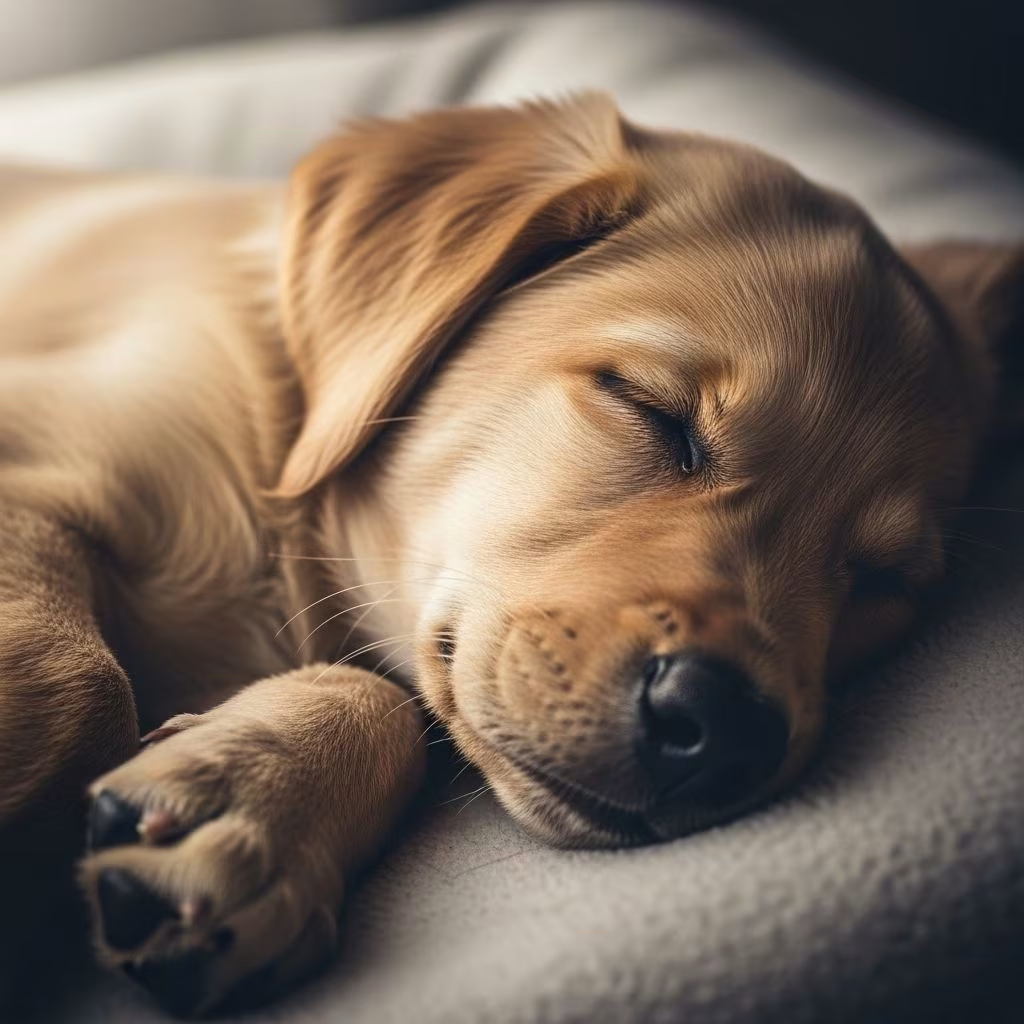
Why Does My Puppy Breathe Fast While Sleeping?
If you’ve watched your puppy sleep and noticed their tiny chest rising and falling rapidly, you might have wondered if something was wrong. The good news is that fast breathing in puppies during sleep is usually completely normal. Puppies naturally breathe faster than adult dogs due to their higher metabolic rate, smaller lungs, and rapid growth and development. Understanding the reasons behind rapid breathing can help you distinguish between normal puppy behavior and signs that warrant veterinary attention.
Is It Normal for Puppies to Breathe Fast While Sleeping?
Yes, fast breathing during sleep is generally normal for puppies. The typical resting respiratory rate for puppies ranges from 15 to 40 breaths per minute, which is often faster than that of adult dogs. A healthy adult dog’s respiratory rate typically ranges from 10 to 35 breaths per minute, meaning puppies naturally breathe at an accelerated rate.
Several physiological factors explain why puppies breathe faster:
- Higher Metabolic Rate: Puppies grow at an incredible rate and their bodies require more oxygen and energy to support this rapid development.
- Smaller Lungs: Puppies have proportionally smaller lungs relative to their body size, requiring more frequent breathing to meet oxygen demands.
- Increased Physical Activity: Puppies are naturally more active and exercise more frequently than adult dogs, elevating their resting heart rate and breathing rate even during sleep.
Common Reasons Why Puppies Breathe Fast While Sleeping
REM Sleep and Dreaming
One of the most common reasons for rapid breathing in sleeping puppies is REM (Rapid Eye Movement) sleep. During this sleep stage, puppies experience vivid dreams just like humans do. When puppies dream, their brains show increased activity, triggering their bodies to respond to dream scenarios.
During REM sleep, you might notice your puppy exhibiting several behaviors alongside rapid breathing:
- Twitching or jerking movements
- Whimpering, whining, or barking sounds
- Leg movements as if running or chasing
- Paddling motions that suggest they’re playing or nursing
These dream-related neurological impulses trigger an increase in breathing rate. The underdeveloped pons in a puppy’s brain—the region responsible for regulating deep sleep and inhibiting muscle movement—explains why puppies move significantly more during sleep than adult dogs.
Growth and Elevated Metabolism
Puppies grow at remarkable speeds during their early months, and this rapid development demands substantial energy. Their bodies require more oxygen than adult dogs to fuel this growth and support all their metabolic processes. This higher metabolism naturally results in a faster breathing rate, even during periods of rest and sleep.
Recent Physical Activity and Excitement
If your puppy was playing, running, or experiencing excitement before falling asleep, their breathing rate may remain elevated for a while as their body gradually returns to a resting state. As puppies are much smaller than adult dogs, even modest physical activity can leave them breathless and requiring time to cool down. During this recovery period, oxygen levels gradually return to normal, and breathing gradually slows.
Heat and Body Temperature Regulation
Puppies regulate their body temperature primarily through breathing and panting, rather than sweating like humans do. If your puppy is sleeping in a warm environment, they may breathe rapidly as their body attempts to cool itself down. This is especially common in warm and humid climates.
To help prevent overheating, ensure your puppy has access to a cool, comfortable sleeping environment with adequate ventilation and shade from direct sunlight.
Stress and Anxiety
Just like adult dogs, puppies can experience stress and anxiety. When puppies encounter anxiety-inducing situations or have had a particularly stressful day, their cortisol levels increase, which elevates their breathing rate. This heightened respiration can persist even after they’ve fallen asleep.
When to Worry: Warning Signs of Health Issues
While rapid breathing is usually harmless during puppy sleep, certain symptoms may indicate an underlying health problem that requires veterinary evaluation. Not all fast breathing should be dismissed, especially if accompanied by other concerning signs.
Red Flags That Warrant a Vet Visit
Contact your veterinarian if you notice any of these warning signs:
- Labored Breathing: Heavy, labored breathing (dyspnea) with visible effort in the chest or abdominal movements
- Persistent Panting: Continuous panting during sleep that doesn’t improve or return to normal
- Nasal Discharge or Wheezing: Wheezing sounds, nasal flaring, or discharge from the nose
- Lethargy and Weakness: Excessive tiredness, weakness, or collapse after waking
- Loss of Appetite: Refusing to eat or showing decreased interest in food
- Hunched Posture: An unusual posture that suggests discomfort or respiratory distress
- Inability to Cool Down: Continuous heavy breathing for extended periods after recent exertion, struggling to return to a normal breathing rate
Serious Health Conditions Associated with Rapid Breathing
Respiratory Infections
Respiratory infections such as pneumonia or kennel cough can cause rapid breathing in puppies. Pneumonia is particularly serious, involving lung inflammation, fluid buildup, and inefficient oxygen exchange. This condition typically leads to fast, shallow breathing and lethargy.
Heart Defects and Heart Disease
Congenital heart defects like patent ductus arteriosus or ventricular septal defects may limit blood oxygenation, resulting in increased respiratory effort. Additionally, congestive heart failure can cause rapid breathing as the heart struggles to pump blood efficiently. If you suspect your puppy has heart issues, seek immediate veterinary care.
Overheating and Heatstroke
Puppies cannot regulate body temperature as effectively as adult dogs and are vulnerable to overheating. Rapid panting or breathing to cool down is common in warm and humid environments. In severe cases, this can progress to heatstroke, a life-threatening emergency.
Anemia and Low Oxygen Levels
Anemia or other conditions reducing oxygen levels in the bloodstream can cause rapid breathing. Anemia results from a reduction in red blood cells and is typically treated with rest and oxygen therapy.
Pain and Injury
If your puppy is experiencing pain from injury, arthritis, or other sources, this can result in increased breathing and heart rate. Pain-related tachypnea (rapid breathing) is the body’s natural stress response.
Monitoring Your Puppy’s Breathing: Best Practices
As a responsible pet owner, learning to monitor your puppy’s breathing patterns helps you recognize when fast breathing is normal versus concerning. Here are some best practices:
- Establish a Baseline: When your puppy is calm and at rest while awake, count their breaths per minute to understand their normal resting rate.
- Observe Sleep Patterns: Note how your puppy breathes during different sleep stages and whether rapid breathing is accompanied by movement or whimpering.
- Consider Context: Take into account recent activity, environmental temperature, and stress levels when observing rapid breathing.
- Document Changes: Keep a record of any unusual breathing patterns, especially if they persist or worsen over time.
- Trust Your Instincts: If something seems off about your puppy’s breathing or overall health, don’t hesitate to contact your veterinarian.
Creating an Optimal Sleep Environment
To promote healthy sleep and prevent unnecessary rapid breathing in puppies:
- Temperature Control: Maintain a cool, comfortable room temperature (between 65-75°F is ideal)
- Comfortable Bedding: Provide soft, supportive bedding that helps regulate temperature
- Quiet Space: Create a calm, quiet sleeping area away from loud noises and stressors
- Proper Ventilation: Ensure adequate air circulation in your puppy’s sleeping area
- Exercise Timing: Schedule vigorous play sessions earlier in the day, allowing time for your puppy to cool down before bedtime
Frequently Asked Questions
Q: How many times per minute should my puppy be breathing while sleeping?
A: A healthy puppy’s resting respiratory rate typically ranges from 15 to 40 breaths per minute. This is naturally faster than adult dogs, which breathe at 10 to 35 breaths per minute.
Q: Is it normal for puppies to twitch and breathe fast while sleeping?
A: Yes, twitching and rapid breathing during sleep are completely normal puppy behaviors, especially during REM sleep when puppies dream. This is harmless and indicates your puppy is experiencing normal sleep cycles.
Q: When should I be concerned about my puppy’s fast breathing?
A: Be concerned if rapid breathing is accompanied by labored breathing, persistent panting, nasal discharge, lethargy, loss of appetite, or inability to recover normal breathing after rest. These signs warrant immediate veterinary evaluation.
Q: Can stress cause rapid breathing in puppies?
A: Yes, stress and anxiety can increase your puppy’s breathing rate. If your puppy has experienced a stressful event or anxiety-inducing situation, elevated breathing may persist into sleep.
Q: Does exercise cause puppies to breathe faster?
A: Yes, exercise causes rapid breathing in puppies of all ages. Since puppies are smaller, even modest physical activity can cause breathlessness. It takes time for their oxygen levels and breathing to return to normal.
Q: What should I do if I’m worried about my puppy’s breathing?
A: If you notice persistent unusual breathing patterns, especially accompanied by other concerning symptoms, contact your veterinarian promptly. It’s always better to err on the side of caution when it comes to your puppy’s health.
Conclusion
Fast breathing in puppies during sleep is usually a normal and harmless part of their development. Higher metabolic rates, REM sleep dreaming, recent activity, and natural puppy physiology all contribute to rapid breathing. However, it’s important to remain vigilant about warning signs that might indicate underlying health issues. By understanding the difference between normal rapid breathing and concerning symptoms, you can ensure your puppy receives appropriate care when needed. When in doubt, always consult with your veterinarian to give yourself peace of mind and your puppy the best possible health care.
References
- What Causes Fast Breathing in Puppies While They Sleep? — Bow Wow Labs. 2024. https://www.bowwowlabs.com/blogs/news/what-causes-fast-breathing-in-puppies-while-they-sleep
- Why Is My Puppy Breathing So Fast While Sleeping? Normal vs Abnormal — Maven Pet. 2024. https://maven.pet/all-about-pets/pet-health/dog-behaviors/why-is-my-puppy-breathing-so-fast-while-sleeping/
- Why Is My Puppy Breathing Fast While Sleeping? — Waggel. 2024. https://www.waggel.co.uk/blog/post/puppy-breathing-fast-while-sleeping
- Why Does Your Dog Breathe Fast While Sleeping? — Glenwood Pet Hospital. 2024. https://glenwoodpethospital.com/blog/why-does-your-dog-breathe-fast-while-sleeping/



