

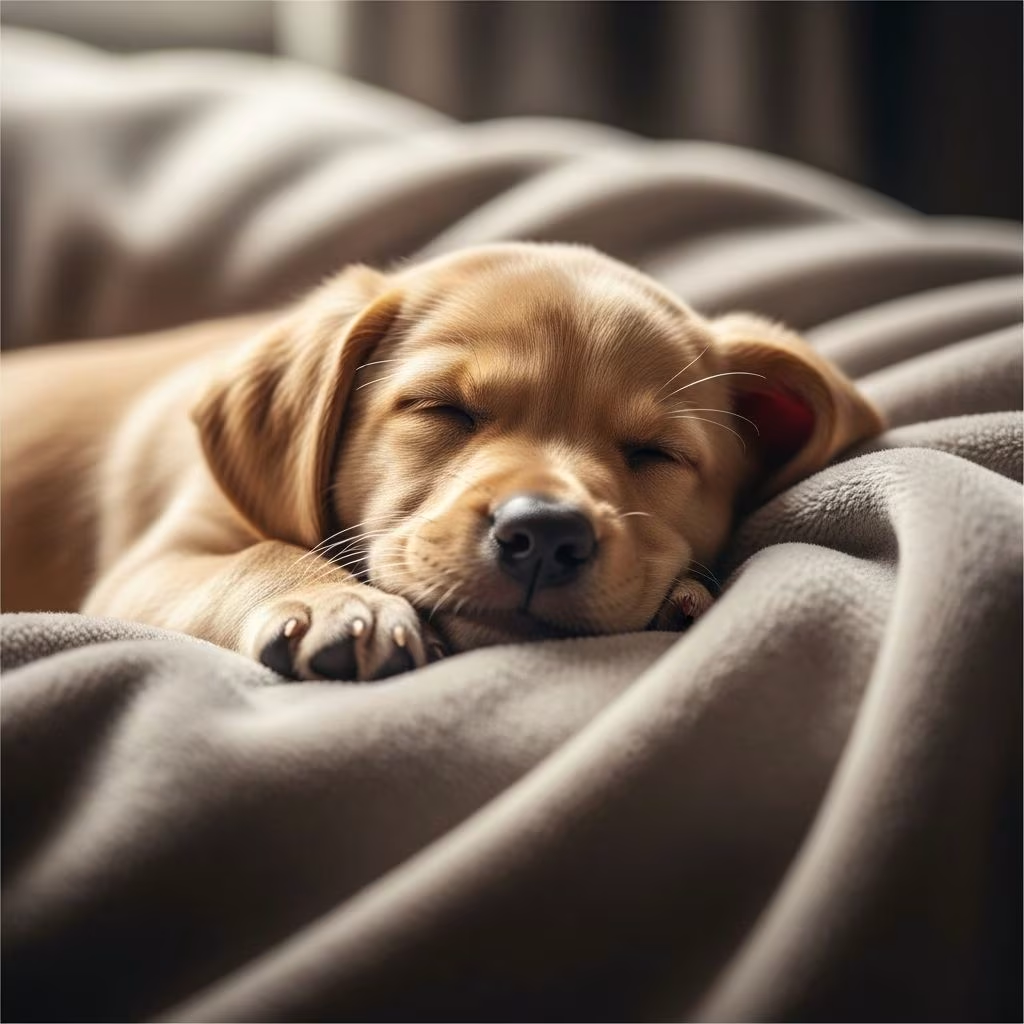
Puppies sleep a remarkable amount, often 18 to 20 hours per day, to support their rapid growth and development. This extensive rest is essential for physical, mental, and behavioral maturation, distinguishing their needs from adult dogs who require only 12 to 14 hours.
How Much Sleep Do Puppies Need?
The average puppy requires **18-20 hours of sleep daily**, varying by age, breed, and activity level. Newborns may sleep up to 22 hours, while older puppies gradually need less as they mature.
- Newborns (0-2 weeks): Up to 22 hours, mostly polyphasic with frequent feeding.
- 8 weeks old: Around 20 hours, balancing play and naps.
- 10-12 weeks: 18-20 hours, with longer night stretches but potty breaks.
- 16 weeks: 12-16 hours total, about 12 hours including 3.5 hours of naps.
- 12 months+: Transitions to 11-14 hours, resembling adult patterns.
Adult dogs sleep 10-14 hours, but puppies’ higher needs fuel growth hormone release during deep sleep phases.
Puppy Sleep Schedule by Age
Puppies follow polyphasic patterns—multiple short sleeps—with most rest at night and naps during the day. Schedules evolve as bladder control improves.
| Age | Total Sleep (24h) | Night Sleep | Day Naps | Notes |
|---|---|---|---|---|
| 8-12 weeks | 18-20 hours | 6-8 hours (with breaks) | 4-5 naps | Frequent potty needs; crate training key. |
| 16 weeks | 12-16 hours | 7-8 hours | 3-3.5 hours (3 naps) | Longer stretches possible. |
| 6 months | 13-15 hours | 8+ hours | 2-3 naps | Reduced naps as activity increases. |
| 12 months+ | 11-14 hours | 8-10 hours | 3 hours | Adult-like, mostly nocturnal. |
A sample 8-week-old schedule: bedtime at 10 PM, wake 6 AM (night: 8 hours with 2-3 breaks), plus 5 naps totaling 10-12 hours daytime.
Why Do Puppies Sleep So Much?
Sleep is critical for puppies’ explosive growth. During rest:
- Physical development: Growth hormones repair tissues, build muscles, and strengthen bones.
- Brain function: REM sleep processes learning from play, enhancing memory and skills.
- Immune support: Rest bolsters defenses against illnesses.
- Energy recovery: Intense bursts of activity deplete reserves quickly.
Without adequate sleep, puppies risk stunted growth, behavioral issues, or weakened health—more detrimental than minor food shortages.
Signs Your Puppy Is Sleeping Too Much or Too Little
Monitor for balance; extremes signal problems.
Sleeping Too Much (Beyond Age-Normal)
- Lethargy, no interest in play/food.
- Unusual weakness or disorientation.
- Possible causes: illness, parasites, pain, depression.
Not Sleeping Enough
- Hyperactivity, irritability, accidents.
- Causes: overstimulation, poor environment, teething, diet issues.
Consult a vet if patterns deviate significantly.
How to Get Your Puppy on a Sleep Schedule
Consistent routines promote healthy sleep.
- Set bedtime: Same time nightly, last potty break 1-2 hours prior.
- Crate train: Secure, cozy spot mimics den for security.
- Daytime structure: Play, feed, potty, nap cycles prevent overtiredness.
- Limit disruptions: Quiet sleep area, no play near bedtime.
- Exercise: Age-appropriate activity tires them naturally.
Expect progress by 16-20 weeks for through-night sleeping.
Crate Training for Better Sleep
Crate training fosters independence and bladder control.
- Introduce positively with treats/toys.
- Start short sessions, build to overnight.
- Naps and nights in crate; door open for playtime.
- Comfortable bedding, no water post-evening.
Benefits: Reduces separation anxiety, eases house training, ensures safe sleep.
Puppy Sleep Training Tips
- Wind-down ritual: Calm play, dim lights.
- Potty last: Right before bed.
- Ignore whines: After checks, to avoid reinforcement.
- Consistent wake-up: Morning routine starts day.
- Track patterns: Adjust for breed/energy.
Persistence yields a well-rested pup.
When to See a Vet About Puppy Sleep
Seek professional advice if:
- Sudden changes in sleep duration/patterns.
- Accompanied by vomiting, diarrhea, limping.
- Failure to gain weight or constant fatigue.
- Excessive panting, restlessness at night.
Early intervention prevents chronic issues.
Frequently Asked Questions (FAQs)
Why does my 8-week-old puppy sleep so much during the day?
At 8 weeks, puppies need 18-20 hours total, with multiple naps for growth recovery.
Can puppies sleep through the night right away?
No, until 16-20 weeks; young bladders require breaks.
Is it bad if my puppy sleeps more than 20 hours?
Possibly; check for illness if lethargic beyond norms.
How do I stop nighttime whining?
Crate train, consistent schedule, last potty—comfort without removal.
Do all breeds sleep the same amount?
No, high-energy breeds may sleep less actively but still need 18+ hours.
References
- Puppy Sleep Schedule: Everything You Need To Know — Diggs Pet. 2023. https://www.diggs.pet/blogs/posts/puppy-sleep-schedule-everything-you-need-to-know
- How Much Do Puppies Sleep? — Lemonade. 2024. https://www.lemonade.com/pet/explained/how-much-do-puppies-sleep/
- How much sleep do puppies need? — Vets4Pets. 2024. https://www.vets4pets.com/pet-health-advice/dog-advice/how-much-do-puppies-sleep/
- How Much Do Puppies Sleep? — Jinx Dog Food. 2023. https://www.thinkjinx.com/blogs/news/how-much-do-puppies-sleep
- Puppy Sleep Schedule by Age — PetPLAY.com. 2024. https://www.petplay.com/blogs/tips/puppy-sleep-schedule-by-age
- Puppy Sleep: What to Expect — Zoetis Petcare. 2024. https://www.zoetispetcare.com/blog/article/puppy-sleep
- How Much Sleep Do Puppies Need — VCA Animal Hospitals. 2024. https://vcahospitals.com/pediatric/puppy/health-wellness/how-much-sleep-do-puppies-need



