

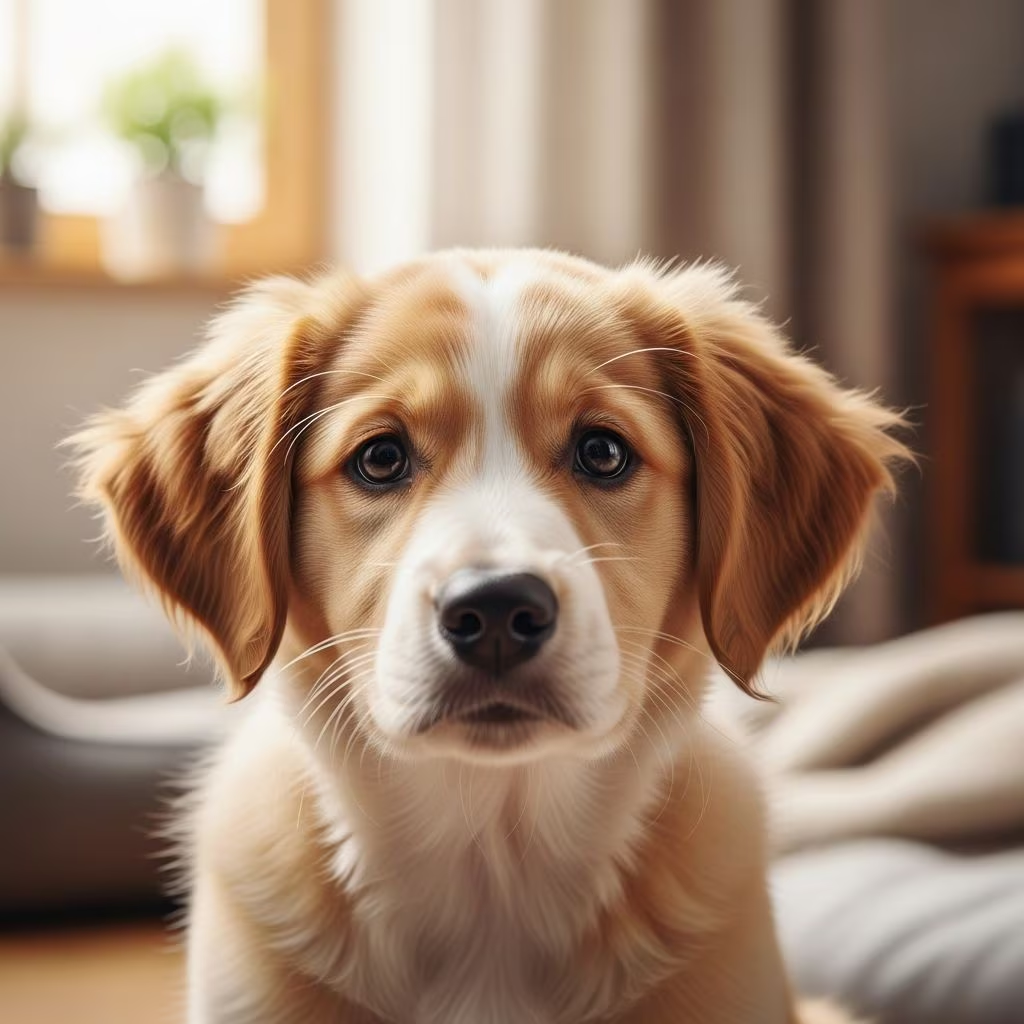
Puppy diarrhea is a common concern for new dog owners, often alarming due to a puppy’s fragile health. While many cases resolve quickly with simple interventions, persistent or severe diarrhea can signal serious issues like infections or parasites. Understanding the causes helps you respond effectively, preventing dehydration and promoting recovery.
Understanding Puppy Diarrhea
Diarrhea in puppies involves loose, watery stools passed more frequently than normal. Unlike adult dogs, puppies dehydrate rapidly because of their small size and developing immune systems. Mild cases might last 24-48 hours, but anything longer warrants veterinary attention. Puppies under 6 months are especially vulnerable to complications from parvovirus, giardia, or bacterial overgrowth.
Normal puppy stools are firm and brown. Diarrhea appears as soft, pudding-like, or fully liquid output, sometimes with mucus, blood, or foul odor. Accompanying signs like lethargy, vomiting, or fever indicate urgency.
Common Causes of Puppy Diarrhea
Several factors trigger puppy diarrhea. Identifying the cause guides treatment, from home care to professional intervention.
Diet Change or Food Intolerance
Sudden switches in food, treats, or scavenging garbage often upset a puppy’s sensitive gut. Common culprits include dairy, fatty human foods, or new proteins like chicken or beef. Symptoms include gas, loose stools, and itching from allergies. High-fat foods can even trigger pancreatitis.
Stress
Puppies experience stress from new homes, travel, or routine changes, mirroring human responses. This leads to colitis with mucus-coated, urgent stools. Reducing stress through routine and comfort helps resolve it.
Parasites
Intestinal parasites are prevalent in puppies, often inherited from the mother or picked up from soil/water. Common types include:
- Roundworms and Hookworms: Cause pot-bellied appearance, poor growth, and diarrhea with visible worms.
- Whipworms: Lead to bloody, mucus-filled stools and weight loss.
- Giardia and Coccidia: Produce foul, watery diarrhea; giardia from contaminated puddles.
Puppies require deworming starting at 2 weeks, repeated every 2 weeks until 12 weeks, then monthly.
Bacterial Infections
Puppies’ immature immunity makes them susceptible to Salmonella, E. coli, and Clostridium from contaminated water, raw meat, or infected animals. These cause bloody diarrhea, fever, vomiting, and appetite loss.
Viral Infections
Viruses like parvovirus (highly contagious, bloody diarrhea in unvaccinated pups), coronavirus, and distemper are life-threatening. Parvo spreads via feces, causing severe dehydration. Vaccination is key prevention.
Ingestion of Toxins or Foreign Objects
Puppies chew everything, leading to garbage gut from spoiled food or toxins like chocolate/xylitol. Foreign bodies (toys, bones) may cause blockages, requiring surgery if unresolved.
Symptoms That Require Immediate Veterinary Attention
Not all diarrhea needs a vet, but these red flags do:
- Blood, black tarry stools, or mucus.
- Diarrhea over 24-48 hours.
- Vomiting, lethargy, fever, or refusal to eat/drink.
- Dehydration signs: dry gums, sunken eyes, skin tenting.
- Puppies under 6 months or unvaccinated.
Dehydration kills quickly; test by pinching skin—if it doesn’t snap back, seek help.
Treating Puppy Diarrhea at Home
For mild cases (puppy active, eating, no blood), try these steps:
- Withhold food 12-24 hours but provide water/electrolyte solutions.
- Bland diet: Boiled chicken/rice or plain pumpkin (1-2 tsp per 10 lbs) for 2-3 days, gradually reintroduce kibble.
- Probiotics: Canine-specific to restore gut flora.
- Hydration: Ice cubes or low-sodium broth.
Monitor closely; improvement expected in 24 hours.
Veterinary Treatments for Puppy Diarrhea
Severe cases need professional care:
| Cause | Treatment |
|---|---|
| Bacterial | Antibiotics (oral/IV), fluids. |
| Viral | Supportive: anti-nausea, IV fluids, antibiotics for secondary infections. |
| Parasites | Dewormers (fenbendazole for giardia), probiotics. |
| Stress/Diet | Metronidazole, bland diet switch. |
| Toxins/Foreign Bodies | Induced vomiting, enemas, surgery. |
Hospitalization with IV fluids is common for dehydration. Diagnostics include fecal tests, bloodwork, X-rays.
Preventing Puppy Diarrhea
Proactive steps minimize risks:
- Vaccinate on schedule against parvo/distemper.
- Deworm regularly per vet protocol.
- Gradual diet transitions over 7-10 days.
- Supervise to prevent scavenging.
- Probiotics during stress/illness.
- Clean environment to avoid parasites.
When to See a Vet for Puppy Diarrhea
Contact a vet if home care fails or symptoms worsen. Puppies deteriorate fast—err on caution. Emergency if collapsed or severe dehydration.
Frequently Asked Questions (FAQs)
Is puppy diarrhea always serious?
No, mild cases from diet/stress often self-resolve with bland diet, but monitor for dehydration.
How long does puppy diarrhea last?
24-48 hours for mild; longer needs vet.
Can I give my puppy human medicine?
No—avoid Pepto-Bismol or Imodium without vet approval; toxic risks exist.
What is the best home remedy for puppy diarrhea?
Bland diet (rice/chicken), probiotics, hydration.
Does pumpkin help puppy diarrhea?
Yes, plain canned pumpkin adds fiber safely.
References
- Puppy Diarrhea: Causes, Symptoms & Treatment — Purina US. 2023. https://www.purina.com/articles/dog/puppy/health/puppy-diarrhea
- Puppy Diarrhea — PetMD. 2023. https://www.petmd.com/dog/symptoms/puppy-diarrhea
- Why Does My Dog Have Diarrhea? 3 Common Causes — Insight Vet Wellness. 2023. https://insightvetwellness.com/gastrointestinal/why-does-my-dog-have-diarrhea-3-common-causes/
- Diarrhea | Cornell University College of Veterinary Medicine — Cornell University. 2023-09-15. https://www.vet.cornell.edu/departments-centers-and-institutes/riney-canine-health-center/canine-health-information/diarrhea



