

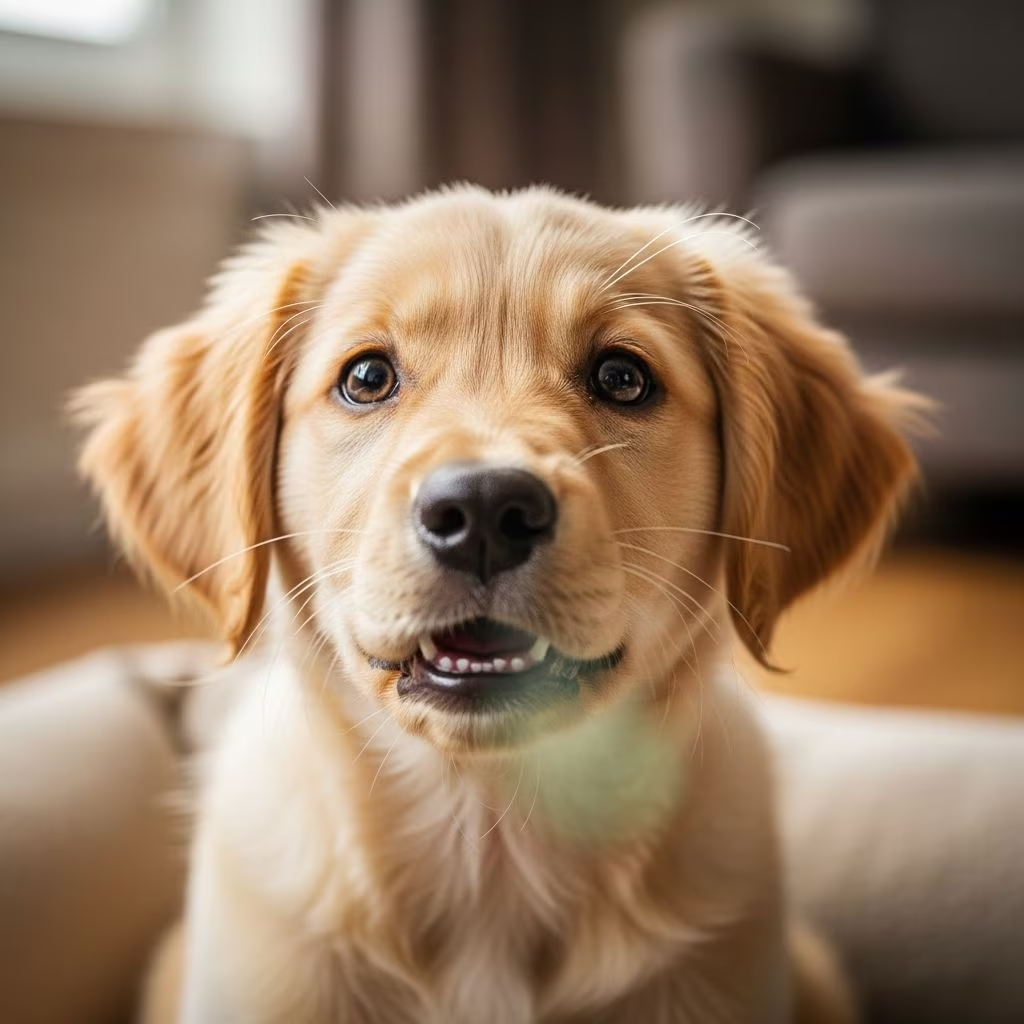
Puppies often have noticeably bad breath, which can catch new pet parents off guard. While a mild odor might stem from their mother’s milk or teething, persistent stinky breath frequently points to underlying issues like dental plaque buildup, diet problems, or gastrointestinal distress. In puppies, **halitosis** (the medical term for bad breath) is commonly linked to oral health but can also indicate more serious conditions such as kidney disease or infections. Early intervention is crucial, as untreated issues can lead to pain, tooth loss, or systemic health decline. This guide explores the top causes, home remedies, prevention tips, and when to consult a vet to ensure your furry companion’s breath—and health—stays fresh.
Is Bad Breath Normal in Puppies?
Some bad breath is normal in young puppies, especially those under 6 months old nursing on mother’s milk, which naturally carries bacteria that produce odors. As puppies transition to solid food around 3-4 weeks and begin teething between 3-6 months, temporary smells from baby teeth shedding or chewing on objects are common. However, if the stench is foul, fishy, ammonia-like, or persists beyond weaning, it’s not normal and warrants investigation. Unlike adult dogs, puppies rarely have advanced periodontal disease due to shorter exposure to plaque, but rapid bacterial growth on crowded milk teeth can mimic it. Monitor for accompanying signs like drooling, pawing at the mouth, or appetite loss, which signal problems needing prompt attention.
Common Causes of Stinky Puppy Breath
Several factors contribute to puppy halitosis. Understanding them helps pinpoint solutions. Here’s a breakdown of the most frequent culprits:
- Diet and Milk Breath: Nursing puppies ingest milk rich in proteins that bacteria break down into smelly compounds. Post-weaning, poor-quality kibble with fillers or allergens can ferment in the gut, releasing odorous gases.
- Oral Health Issues: Plaque from food and saliva hardens into tartar within days, harboring bacteria that cause gingivitis and foul odors. Puppies with misaligned teeth are at higher risk.
- Gastrointestinal Problems: Food intolerances, parasites, or improper digestion lead to bacterial overgrowth and gas expulsion via breath.
- Systemic Diseases: Kidney issues produce ammonia smells; liver problems yield sweet or musty odors; diabetes causes fruity breath.
- Foreign Objects or Toxins: Stuck toys, bones, or toxic ingestions (e.g., plants) create rotting smells.
- Anal Gland Issues: Rarely in puppies, but licking due to full glands transfers fishy secretions to breath.
| Breath Smell | Possible Cause | Common in Puppies? |
|---|---|---|
| Fishy | Anal glands or abscess | Rare |
| Ammonia/Urine | Kidney disease | Uncommon |
| Rotting/Fecal | Foreign object or GI issues | Possible |
| Sweet/Fruity | Diabetes | Rare |
| General Foul | Dental plaque | Very Common |
Puppy-Specific Causes
In puppies, dental disease is less prevalent but accelerates with soft diets or neglect. Teething introduces bacteria from gnawed items, while raw or home-cooked diets risk bacterial imbalances like Salmonella, worsening breath. Allergies to new foods post-weaning often manifest as tummy upset and halitosis.
How to Get Rid of Stinky Puppy Breath at Home
Start with safe, puppy-approved remedies before vet visits. Focus on mechanical cleaning and diet tweaks:
- Daily Tooth Brushing: Use enzymatic dog toothpaste (never human varieties, which are toxic) and a soft puppy brush or finger mitt. Brush 3-7 times weekly to disrupt plaque. Introduce gradually with treats.
- Dental Chews and Treats: Textured chews like those with the Veterinary Oral Health Council (VOHC) seal scrape tartar. Limit to age-appropriate sizes to avoid choking.
- Diet Adjustments: Switch to high-quality, digestible puppy kibble with probiotics. Crunchy dry food naturally abrades teeth; avoid soft/wet-only diets.
- Water Additives: Add unflavored dental rinses to water for antibacterial action without calories.
- Parsley or Mint Chews: Natural breath fresheners, but use sparingly to avoid GI upset.
For teething pups, frozen carrots or puppy teething toys provide relief and cleaning. Always supervise to prevent ingestion. Results appear in 1-2 weeks with consistency.
Prevention Tips for Fresh Puppy Breath
Prevent halitosis through routine care starting young:
- Feed VOHC-approved dental diets or kibble from weaning.
- Establish brushing habits by 8 weeks—puppies acclimate easily.
- Schedule vet dental checks at 6 months and annually.
- Avoid table scraps, rawhides, and sugary treats that promote plaque.
- Monitor for rapid eating; slow-feeders reduce debris buildup.
Professional cleanings under anesthesia may be needed by 1-2 years if plaque persists, removing tartar below the gumline. Combining home care with vet oversight keeps 90% of cases managed preventively.
When to See a Vet for Puppy Bad Breath
Not all stenches resolve at home. Seek veterinary care if:
- Breath worsens despite 1-2 weeks of home treatment.
- Accompanied by vomiting, diarrhea, lethargy, or weight loss.
- Puppy paws at mouth, drools excessively, or avoids hard food.
- Smell is unusually pungent (e.g., urine, feces).
Vets perform oral exams, bloodwork for organ function, and X-rays. Treatments range from antibiotics and cleanings to diets or surgery for severe cases. Early diagnosis prevents progression—kidney disease, for instance, is more treatable caught via breath changes.
Frequently Asked Questions (FAQs)
Why does my 8-week-old puppy’s breath smell like poop?
This often stems from milk breath or early GI upset from weaning foods/parasites. Check stool and diet; vet fecal test recommended.
Can teething cause bad puppy breath?
Yes, increased chewing introduces bacteria. Provide safe toys and brush daily to mitigate.
Is fishy breath dangerous in puppies?
Possibly—indicates abscesses or glands. Vet exam essential.
How often should I brush my puppy’s teeth?
Daily ideally, minimum 3-4 times weekly with dog-safe products.
Does wet food cause worse breath than kibble?
Yes, lacks abrasive action. Mix in dry for better hygiene.
By addressing stinky breath proactively, you’ll promote lifelong oral health and joyful puppy cuddles.
References
- Bad Breath in Dogs: Causes, Treatment and Prevention — Greenies. 2023. https://www.greenies.com/blogs/what-were-barking-about-greenies/bad-breath-in-dogs-causes-treatment-and-prevention
- Bad Breath in Dogs: Causes and Treatment — PetMD. 2024-01-15. https://www.petmd.com/dog/symptoms/bad-breath-dogs-causes-treatment
- Bad Breath in Dogs: Causes & Remedies — Heart of Brooklyn Veterinary. 2023-10-31. https://www.heartofbrooklynveterinary.com/site/blog/2023/10/31/bad-breath-dogs–causes-remedies
- Bad Breath in Dogs: Causes and Treatments — Apple Valley Animal Hospital. 2021-08-15. https://www.applevalleyanimalhospital.com/site/blog/2021/08/15/bad-breath-in-dogs-causes-and-treatments
- Causes of Puppy Bad Breath — Whole Dog Journal. 2023. https://www.whole-dog-journal.com/puppies/causes-of-puppy-bad-breath/



