

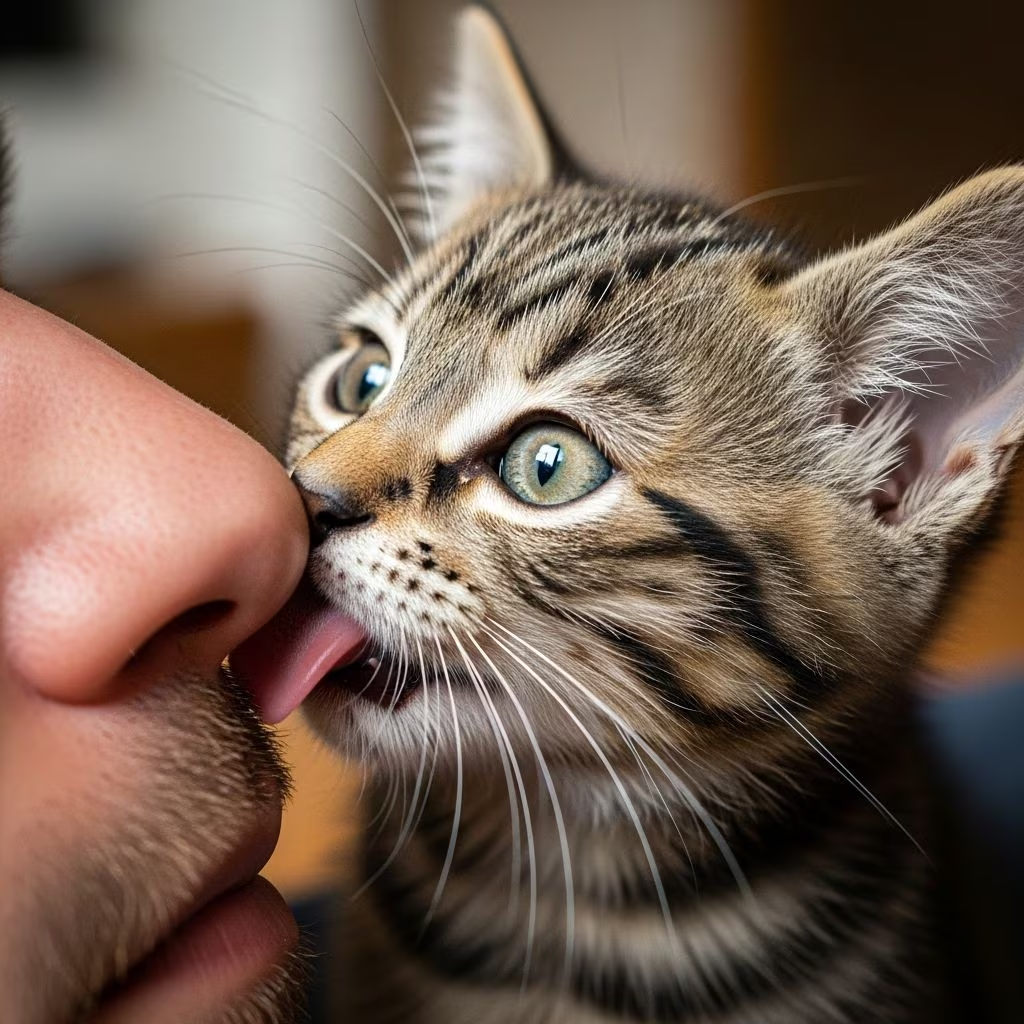
If you’re a kitten parent, you’ve likely experienced the adorable sensation of your furry friend licking your nose. While it’s undeniably cute, you might wonder what’s actually going on inside your kitten’s tiny head. Is it affection? Is it something they need? Understanding the reasons behind this behavior helps you strengthen your bond with your kitten and recognize when professional help might be needed.
Common Reasons Your Kitten Licks Your Nose
Affection
One of the most heartwarming reasons your kitten licks your nose is simply to show affection. Your face is where all the sweetness happens—where you nuzzle and kiss your kitten’s little head, speak in those high-pitched voices, and shower them with attention. It makes perfect sense that your kitten would climb up to reciprocate that love directly at the source. Your nose, being prominent and easy to access, becomes a natural target for their affectionate gestures. This is your kitten’s way of saying “I love you” in their own special way.
Grooming Instincts
Cats are meticulous groomers, and this behavior extends beyond themselves. When your kitten licks your nose, they may simply be engaging in their natural grooming instincts. This could be a cleanliness gesture or an opportunity for bonding. The accessibility of your nose makes it an easy target for grooming efforts. Additionally, human skin typically has a natural salty taste, and many people apply skincare products that might have appealing tastes or scents to your kitten. These factors combine to make your nose an attractive grooming spot.
Social Bonding and Family Scent
Your face contains high concentrations of oil and sweat glands. When your kitten licks you, they’re not just showing affection—they’re also mixing their scent with yours, creating a shared group scent that signals to other animals that you belong to them. This is a form of territory marking and a deeply bonding behavior. It’s their way of claiming you as family and creating a unified scent profile that makes everyone feel secure and connected.
Nursing and Comfort-Seeking Behavior
For some kittens, especially those who may have been bottle-fed, their fixation with your nose could be similar to suckling on the end of your pinky or shirt collar. They could be trying to replicate the sensation of nursing. Cats that were weaned too early often retain nursing behaviors, and your earlobes, nose, or chin can become a substitute for a teat. The act of licking releases endorphins, which act as a natural pacifier to soothe anxiety and provide comfort. This behavior is particularly common when you’re sleeping, as your stillness and vulnerability make you the ultimate safety zone for an anxious kitten seeking security.
Attention-Seeking
Kittens learn quickly what works and what doesn’t when it comes to getting your attention. It’s incredibly hard not to react when they’re licking your nose, whether you like it or not. They log that information away and may use it when other tactics aren’t working—like at 4 a.m. when you’re trying to sleep. Your kitten has discovered a highly effective attention-getting mechanism, and they’re not afraid to use it strategically.
Taste and Scent Attraction
Some kittens may simply enjoy the taste of human skin. It’s quite possible your nose has something of a salty taste that your kitten finds irresistible. Additionally, cats rely heavily on their sense of smell, so when your kitten licks your nose, they may just be getting a dose of their favorite human’s comforting scent. This sensory experience is part of their complex social interactions and affection for their favorite human.
The Feel-Good Factor
Simply put, licking makes cats feel good. According to Cats Protection, the action of licking causes the release of feel-good hormones—endorphins—in your cat’s brain, giving them a natural “high.” You can hardly blame your kitten for engaging in an activity that literally makes them feel better. Combined with the positive responses they receive from you, licking your nose becomes a rewarding and pleasurable behavior.
Signs Your Kitten Is Bonding With You
Beyond nose licking, there are several other behaviors that indicate your kitten is forming a strong bond with you:
- Purring and Kneading: Purring is usually a sign of comfort and contentment. Kneading—what many cat owners call “making muffins” or “making biscuits”—is similar. Kittens knead instinctively during nursing to stimulate milk flow, and this behavior sticks with them throughout their lives. It can be self-soothing or a display of happiness and security.
- Following and Seeking Proximity: If your kitten follows you around, wants to be in your lap, on your shoulder, or is generally all up in your business, that’s a sign they’re bonding with you and enjoying your attention.
- Slow Blinking: The slow blink is a universally recognized sign that a cat is giving you the good stuff. If your kitten slow blinks at you, return the gesture by giving them a slow blink back and then turning your gaze away—as opposed to staring at them, which can be stressful for cats.
- Head-Butting: When your kitten bumps their head against you, they’re marking you with scent glands and showing affection.
When Licking Becomes a Concern: Health-Related Reasons
While being licked by a kitten is usually wonderful, it’s important to recognize that medical and behavioral triggers could be at play in some cases.
Stress-Related Licking
A kitten or cat may lick excessively if they feel anxious. It can be self-soothing behavior and even turn into a compulsive one. If your kitten is licking a lot, they’re hard to distract and redirect to other activities, or they’re showing other signs of stress, talk to your vet.
Signs of stress in kittens include:
- Nervousness
- Hiding, cowering, or slinking
- Not playing, eating, or drinking normally
- Trying to look smaller
- Sensitivity to petting or handling
- General anxious body language
Medical Conditions
Cats are mysterious when it comes to alerting us to potential medical issues. Licking your nose (or other areas) could be one of those warning signs. If they’re feeling oral pain, have digestive issues like nausea, or feel physical discomfort anywhere, they could lick more than normal. There could be other causes as well. When in doubt, consult with your veterinarian to rule out any underlying health issues.
Safety Considerations
While cat kisses are adorable, there are important safety considerations to keep in mind. If you have applied skincare products, strictly avoid letting your cat lick your face, particularly if you use retinol or minoxidil, which are toxic to cats. Additionally, you should enforce the “Mucous Membrane Rule”—never let a cat lick your eyes, mouth, or open acne. Direct contact with these areas allows bacteria like Pasteurella to enter your bloodstream, potentially causing serious infection. A lick on the cheek is fine, but these sensitive areas require protection.
The Petting-Biting Syndrome: Why Your Kitten Licks Then Bites
You might notice your kitten licks your nose and then gives you a quick bite. This is similar to the whole petting-biting syndrome that confuses many cat owners. Here’s what’s happening: your kitten feels like they’ve let their guard down just a bit too much. They start to feel vulnerable and exposed, so they react accordingly with a quick bite to protect themselves.
According to International Cat Care, “The adult cat has a strong instinctive survival mechanism and they can feel vulnerable to attack if they allow themselves to become too relaxed and comfortable. They develop a sense of conflict between pleasure and potential danger and this can result in a sudden aggressive gesture to escape from the situation.” This isn’t aggression—it’s a natural protective mechanism. Understanding this helps you recognize when your kitten needs space.
Frequently Asked Questions
Q: Is it safe to let my kitten lick my nose?
A: Generally, occasional nose licks are fine and endearing. However, avoid letting your kitten lick your eyes, mouth, or any open wounds to prevent bacterial infection. Also, if you use skincare products like retinol or minoxidil, prevent your kitten from licking your face as these are toxic to cats.
Q: Why does my kitten only lick my nose and not other family members?
A: Your kitten likely has bonded most closely with you. They may spend more time with you, associate you with feeding or playtime, or simply prefer your scent. This is a sign of a strong attachment to you specifically.
Q: Should I be worried if my kitten licks excessively?
A: Excessive licking can indicate stress, anxiety, or underlying medical conditions. If your kitten is licking constantly and you notice other signs of distress or behavioral changes, consult your veterinarian to rule out health issues.
Q: How can I discourage nose licking if I don’t enjoy it?
A: You can gently redirect your kitten’s attention to toys or other activities when they attempt to lick your nose. However, remember that this is a natural bonding behavior, so discouraging it might affect your relationship. A gentle redirect is better than punishment.
Q: What does it mean if my kitten licks my nose while I’m sleeping?
A: When you sleep, you are still and vulnerable, and for an anxious kitten, your sleeping face represents the ultimate safety zone. Engaging in this comfort-seeking behavior while you’re passive allows them to feel secure. It’s a sign that your kitten trusts you completely.
Understanding Your Kitten’s Affection Language
Your kitten’s nose licks are a form of communication that deserves appreciation. Whether they’re showing affection, seeking attention, bonding with you through scent mixing, or simply enjoying the feel-good endorphins, each lick is a testament to your relationship. By understanding the motivations behind this behavior and recognizing when something might need veterinary attention, you can deepen your bond with your kitten and ensure their wellbeing. Cherish those adorable nose kisses—they’re your kitten’s special way of saying “you’re my person.”
References
- Why Does My Kitten Lick My Nose? The Cuteness Explained — Kinship. Accessed January 14, 2026. https://www.kinship.com/cat-behavior/why-does-my-kitten-lick-my-nose
- Why Cats Lick Your Nose? Sandpaper Kisses — Lady N US. https://ladynpet.com/us/blog/why-does-my-cat-lick-my-nose/
- Why Does My Cat Lick My Nose? (10 Curious Reasons) — Cat and Dog House. https://catanddoghouse.com/why-does-cat-lick-my-nose/



