

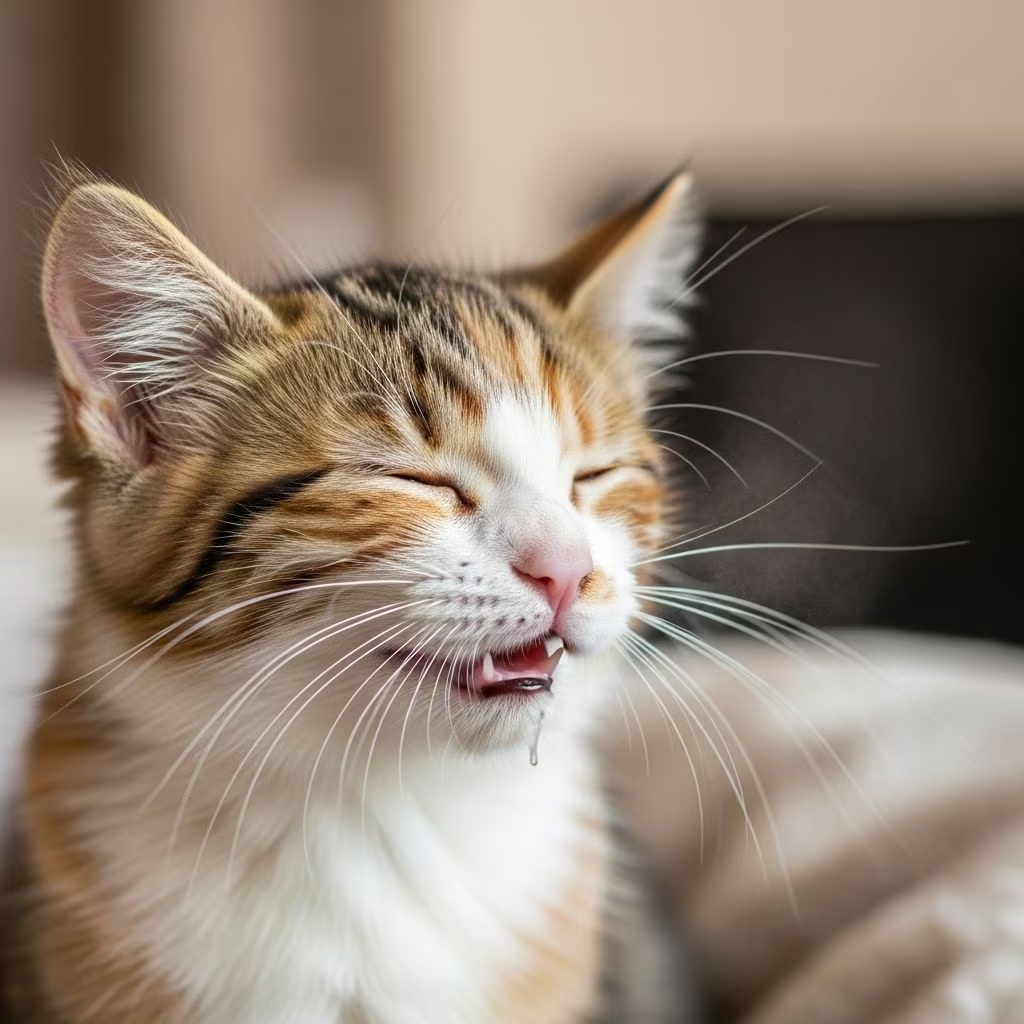
Why Does My Kitten Keep Sneezing?
If you’ve noticed your kitten sneezing frequently, you’re not alone. Sneezing is a common concern among new kitten owners, but understanding the underlying causes can help you determine whether it’s a minor issue or something that requires veterinary attention. While an occasional sneeze is completely normal in kittens, just as it is in humans, persistent sneezing can indicate an underlying health problem that deserves investigation.
Common Causes of Kitten Sneezing
There are several reasons why your kitten might be sneezing more than usual. Understanding these causes is the first step toward helping your furry friend feel better and determining when veterinary care is necessary.
Upper Respiratory Infections (URIs)
Upper respiratory infections are one of the most common reasons for kitten sneezing. These infections can be caused by viral, bacterial, or fungal pathogens that affect your kitten’s nasal passages and sinuses. Viruses such as feline herpesvirus, calicivirus, and mycoplasma are frequent culprits. Kittens are particularly susceptible to these infections due to their immature immune systems and the stress of moving to new environments at a young age.
Viral infections typically present with either no discharge or minimal clear, watery material from the nose. These infections may also bring other symptoms like nasal discharge, conjunctivitis, or loss of appetite. While treatable, upper respiratory infections can become serious without proper care, so early veterinary intervention is key.
Bacterial Infections
Bacterial infections almost always play a secondary role in upper respiratory sneezing in kittens. The most common types of bacteria causing upper respiratory symptoms include Mycoplasma, Chlamydia, and Bordetella, which is the same bacteria that causes kennel cough in dogs. Infections with these bacteria most often occur following a viral infection, especially feline herpesvirus. Some cats may also be carriers and develop signs of illness under stress.
If you notice yellow or green discharge emerging from your kitten’s nose or eyes, this abnormally colored discharge is a sign of a bacterial infection. When bacterial infections are present alongside sneezing, a veterinarian may determine that antibiotics are appropriate to use.
Fungal Infections
Although less common than viral or bacterial infections, fungal infections are a known cause of sneezing in cats. A fungus called Cryptococcus is the usual suspect. A physical exam alone isn’t enough to distinguish a fungal infection from other causes, so rhinoscopy or a biopsy are usually required for a diagnosis. Treatment may include a combination of oral antifungal medications, nasal infusions of antifungal medications, and possibly surgery.
Environmental Irritants
Sometimes, sneezing is simply a reaction to irritants in your kitten’s environment. Common irritants include cleaning products, cigarette smoke, or dusty cat litter. These substances can inflame the sensitive lining of your kitten’s nasal passages, leading to sneezing. If environmental irritants like dust or strong smells are suspected, treatment focuses on minimizing exposure to triggers, such as switching to dust-free litter or avoiding perfumed cleaning products.
Allergens
While less common, potential allergens like pollen, mold, or even certain foods can cause sneezing in kittens. If triggered by allergies, the sneezing may be accompanied by watery eyes or behaviors indicating discomfort, like pawing at the face. Understanding your kitten’s environment and diet can help identify potential allergens.
Litter Box Issues
Yes, certain types of litter can irritate a kitten’s nose and cause sneezing. Dusty or heavily scented litter products are common culprits. Opt for dust-free or unscented varieties to reduce this risk. If sneezing continues, try switching their litter type to see if there’s improvement.
Other Rare Causes
Less common causes of sneezing in kittens include:
- Cleft palate: A congenital condition in which the roof of the mouth does not close properly before birth, allowing communication between the oral cavity and nasal passages
- Foreign objects: Small objects lodged in the nasal passages
- Dental infections: Infected teeth that can affect nearby sinuses
- Chronic rhinitis: Immune-mediated inflammation and chronic damage to nasal passage tissue
- Neoplasia (cancer): Abnormal tissue growth in the nasal passages
- Inflammatory polyps: Non-cancerous growths inside the nasal passages
Breed Predisposition to Sneezing
Certain breeds are more prone to sneezing than others. Some breeds are more likely to have respiratory issues, which can lead to increased sneezing. If you have a breed known for respiratory sensitivities, you may notice sneezing more frequently. Discussing breed-specific health concerns with your veterinarian can help you better understand your kitten’s individual needs.
When to Worry: Warning Signs
While occasional sneezing is normal, certain symptoms indicate you should seek veterinary care promptly:
- Persistent sneezing lasting more than a few days
- Colored nasal discharge (yellow or green) indicating bacterial infection
- Poor appetite and lethargy: This may be caused by obstruction of the nasal passages where a cat cannot smell their food or can be related to a fever
- Fever accompanying the sneezing
- Watery eyes or discharge from the eyes
- Difficulty breathing or breathing through the mouth
- Blood in nasal discharge
- Symptoms lasting several weeks despite home care
Given their small size, kittens can become affected by dehydration and malnourishment quickly, making prompt veterinary attention especially important.
Treatment Options for Sneezing Kittens
Treatment for kitten sneezing is typically targeted at the underlying cause. While a wide variety of treatments are available, the goal in most cases, especially chronic cases, is to reduce the frequency and severity of symptoms rather than to cure them completely.
Medications
Antibiotics: Antibiotics are only indicated for the treatment of bacterial infections. Because 90% or more of upper respiratory conditions causing sneezing in cats are viral, most cases of sneezing in kittens will resolve without antibiotics. However, when bacterial involvement is present—indicated by colored nasal discharge, fever, or reduced appetite—antibiotics may be appropriate.
Antiviral medications: Most cats are treated initially with antiviral medications, as viral infections are the most common cause of persistent sneezing. These medications can help reduce the severity and duration of symptoms.
Antihistamines and anti-inflammatory medications: These may be used to reduce inflammation and discomfort associated with allergies or irritation.
Antifungal medications: For suspected fungal disease, oral antifungal medications or nasal infusions may be recommended.
Supportive Care at Home
Several home remedies can help your kitten feel more comfortable while recovering:
- Humidifiers: A humidifier can help ease breathing and loosen nasal congestion. Treatment often includes supportive care like using a humidifier to ease breathing.
- Steam therapy: Steam helps loosen discharge and clear the nasal passages. Run a hot shower until steam fills the room and let your kitten breathe in the steam for 10-15 minutes. You can repeat this several times a day if needed.
- Saline nasal drops: A saline nasal drop several times a day in each nostril can loosen discharge and help clear the nostrils.
- Warm, moist food: Warm, moist food will release more aroma to entice appetite and is easier for your kitten to eat when congested.
- Warm washcloth: Gently remove any dried or crusted discharge from your kitten’s nose and eyes with a warm, damp cloth. The moist heat may also help loosen some congestion.
- Fluid therapy: For severe cases, subcutaneous fluids may be administered to prevent dehydration.
Advanced Treatment Options
If your kitten develops more severe signs associated with sneezing, such as fever, poor appetite, and lethargy, your veterinarian may advise advanced testing and treatment. This may start with x-rays and bloodwork, and advanced testing could include a CT scan and rhinoscopy (using a video scope to see the nasal passages). Additional therapies include appetite stimulants, subcutaneous fluids for rehydration, and anti-inflammatory medication like steroids. Although rare, a feeding tube may need to be placed in kittens that have stopped eating because of nasal congestion where other therapies to encourage eating have failed.
A nasal flush may be indicated for cats with chronic rhinitis and can be used to dislodge blockages and debris a few times per year. This procedure will need to be completed by a vet as your kitten will need to be sedated.
Cost of Treatment
The financial aspect of treating your kitten’s sneezing depends on the underlying cause and severity. Costs for diagnosis can range from $50 to $200, while treatment may add another $100 to $300 depending on the severity of the infection and medications required. More advanced diagnostics like CT scans and rhinoscopy will increase these costs significantly.
Prevention Strategies
While you can’t prevent all causes of kitten sneezing, several strategies can reduce the likelihood and severity:
- Vaccination: Feline herpesvirus and feline calicivirus are considered core vaccines and form part of the FVRCP (HCP) combination vaccine. Vaccinations play a big role in protection against viral infections.
- Reduce stressors: Stress can contribute to the persistence of viral signs and may delay healing. Stress can also lead to an asymptomatic carrier cat developing a full-blown infection.
- Removing allergens: Keeping your home free from potential irritants may be easier said than done. However, you can make a big difference with regular cleaning, adding air purifiers, and using low-dust litter formulas.
- Use dust-free litter: Switch to unscented, dust-free litter to minimize respiratory irritation.
- Avoid strong chemicals: Use gentle, unscented cleaning products around your kitten.
- Minimize smoke exposure: Keep your kitten away from secondhand smoke and other air pollutants.
- Quarantine sick kittens: If one kitten is sneezing due to an upper respiratory infection or viral illness, it can be contagious to others. Isolating the sneezing kitten and practicing good hygiene can help reduce the spread.
Is Kitten Sneezing Contagious?
If one kitten is sneezing due to an upper respiratory infection or viral illness, it can be contagious to others. This is particularly important if you have multiple kittens in your home. Isolating the sneezing kitten and practicing good hygiene, like cleaning shared spaces, can help reduce the spread. Vaccinations also play a big role in protection against contagious respiratory viruses.
Frequently Asked Questions
Q: How can I tell if my kitten’s sneezing is serious?
A: Monitor for warning signs such as colored nasal discharge, loss of appetite, lethargy, difficulty breathing, or symptoms lasting more than a few days. These indicate you should contact your veterinarian promptly. Given kittens’ small size, they can become dehydrated quickly, making early intervention important.
Q: Is a humidifier safe to use for my sneezing kitten?
A: Yes, humidifiers are safe and beneficial for sneezing kittens. They help loosen nasal congestion and ease breathing. You can also use steam from a hot shower as an alternative therapy for 10-15 minutes at a time.
Q: Can I treat my kitten’s sneezing at home without seeing a vet?
A: Minor sneezing may improve with home care such as humidifiers, steam therapy, and saline drops. However, if sneezing persists beyond a few days or is accompanied by other symptoms, veterinary evaluation is necessary to determine the underlying cause and appropriate treatment.
Q: Will antibiotics help my sneezing kitten?
A: Antibiotics are only effective if a bacterial infection is present. Since 90% or more of upper respiratory sneezing in kittens is viral, most cases will not require antibiotics. Your veterinarian will determine if bacterial involvement is present before prescribing antibiotics.
Q: What type of litter should I use for my sneezing kitten?
A: Use dust-free, unscented litter varieties. Dusty or heavily scented litter can irritate your kitten’s nasal passages and trigger sneezing. If you suspect litter is the culprit, try switching to a gentler option and observe if sneezing improves.
Q: How long does it take for a sneezing kitten to recover?
A: Recovery time depends on the underlying cause. Viral infections typically resolve within 1-3 weeks with supportive care, though some symptoms may persist longer. Bacterial infections may improve more quickly with antibiotics. Chronic conditions may require ongoing management rather than complete resolution.
Q: Can I give my kitten over-the-counter cold medicine?
A: No, you should never give your kitten over-the-counter medications without veterinary guidance. Many human cold medicines are toxic to cats. Always consult your veterinarian before administering any medication or supplement to your kitten.
Q: Does my sneezing kitten need to be isolated from other pets?
A: If your kitten has an upper respiratory infection, isolation is recommended to prevent spreading the infection to other pets in your household. Practice good hygiene by washing your hands and disinfecting shared spaces. Vaccinations also help protect other cats from infection.
References
- Why Is My Kitten Sneezing? — Lemonade Pet Insurance. 2024. https://www.lemonade.com/pet/explained/why-is-my-kitten-sneezing/
- Why Is My Kitten Sneezing? A Vet Explains — Cats.com. 2024. https://cats.com/kitten-sneezing
- Why Is My Cat Sneezing? — PetMD. 2024. https://www.petmd.com/cat/symptoms/cat-sneezing
- Why is My Cat Sneezing? When to Worry — Bulger Veterinary Hospital. 2024. https://www.bulgervet.com/blog/why-is-my-cat-sneezing
- Feline Rhinitis: Causes, Symptoms, And Treatments — Trudell Animal Health. 2024. https://trudellanimalhealth.com/blogs/blog/feline-rhinitis-causes-symptoms-and-treatments



