

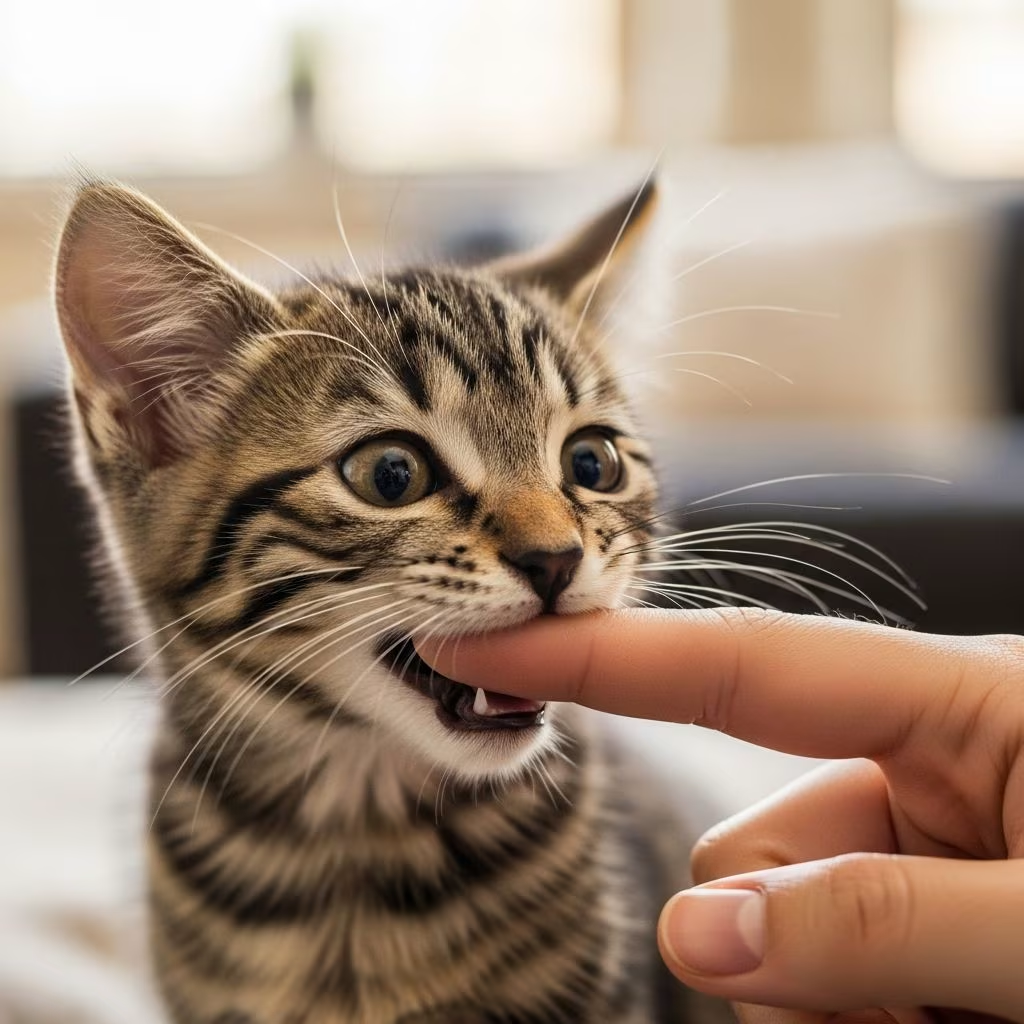
Kittens often bite their owners as part of natural development, including play, exploration, teething, and instinctual behaviors. Understanding these reasons allows for effective training using positive reinforcement and redirection.
Reasons Why Kittens Bite
Kittens explore the world mouth-first, much like human infants, leading to biting during key growth phases. Common triggers include play, discomfort, and unmet needs.
Play and Exploration
Kittens use their mouths to investigate surroundings, chewing and biting objects or hands to learn textures and boundaries. This exploratory biting peaks during early socialization between 8-12 weeks.
Teething
From 2-6 months, kittens experience teething discomfort as baby teeth fall out and adult ones emerge, prompting increased chewing and nipping on available targets like fingers.
Hunting Instincts
As natural predators, kittens practice pouncing, chasing, and biting to hone hunting skills, often mistaking moving hands or feet for prey during interactive play.
Overstimulation
Excessive petting or rough handling can overwhelm a kitten’s senses, resulting in a warning bite to signal ‘enough.’ Watch for tail twitching or ear flattening as cues.
Excess Energy
Brimming with energy without outlets, kittens may bite to release pent-up vigor. Daily interactive sessions prevent this by channeling instincts appropriately.
Hunger, Stress, or Anxiety
Irritability from hunger, environmental changes, or anxiety manifests as biting. Ensure consistent feeding and safe spaces to minimize stress-induced nips.
How to Stop Kittens from Biting
Stopping biting requires patience, consistency, and positive methods. Punishment like scruffing increases fear and worsens behavior; focus on redirection and rewards instead.
Training Your Kitten
Positive reinforcement builds good habits. Reward non-biting play with treats or praise to associate gentle behavior with positives.
- Say “no” firmly and disengage for 30 seconds if biting occurs, teaching that bites end fun.
- Use clicker training: Click and treat for soft paws or mouth restraint during play.
- Never yell or physically correct, as it escalates aggression.
Redirecting Biting Behavior
Shift focus from hands to toys immediately upon bite attempts. This satisfies instincts safely.
Chew-Friendly Toys
Provide kitten-specific chew toys from rubber or fabric to ease teething without harm. Rotate to maintain interest.
Appropriate Interactive Play
Wand toys, laser pointers, and prey-like items engage hunting drives away from skin. End sessions when energy wanes to avoid overstimulation.
- Feather wands for chasing.
- Plush mice or kicker toys for biting.
- Crinkle balls and tunnels for solo play.
Creating a Consistent Routine
Structure reduces uncertainty and excess energy. Predictability fosters calm.
Scheduled Play Sessions
Dedicate 20-30 minutes twice daily for vigorous play, mimicking hunt cycles: stalk, chase, pounce, ‘kill.’ Tire them out before feeding.
Setting Boundaries Early
From adoption, enforce ‘no body parts as toys.’ Consistency across household members is crucial.
Table: Effective Toys to Redirect Biting
| Toy Type | Benefits | Examples |
|---|---|---|
| Chew Toys | Satisfies teething; safe gnawing | Rubber chew sticks, fabric mousies |
| Wand Toys | Hunting practice; interactive | Feather wands, string teasers |
| Kicker Toys | Biting outlet; energy burn | Plush kickers, stuffed prey |
| Puzzle Toys | Mental stimulation; solo play | Food puzzles, crinkle balls |
Common Mistakes to Avoid
Well-intentioned actions can reinforce biting. Steer clear of these pitfalls.
- Rough Play: Wrestling encourages aggression; use toys only.
- Ignoring Cues: Over-pet beyond tolerance leads to bites.
- Inconsistent Response: Allowing bites sometimes confuses kittens.
- Physical Punishment: Scruffing or hitting breeds fear-based defense.
When Do Kittens Stop Biting?
Most outgrow intense biting by 6-12 months as teething ends and maturity sets in, but training accelerates improvement.
Behavior Changes with Age
Post-6 months, reduced teething and better control lessen frequency. Full maturity around 1-2 years solidifies manners.
Socialization Improves Play Manners
Early exposure (8-12 weeks) to gentle interactions teaches bite inhibition. Litters learn from siblings; singles need human guidance.
Frequently Asked Questions (FAQs)
Is kitten biting normal?
Yes, biting is a normal developmental behavior stemming from exploration, teething, and instincts. Proper training curbs it effectively.
How do I stop my kitten biting my hands?
Withdraw attention immediately, offer a toy, and reward gentle play. Consistent redirection works best.
Why does my kitten bite when petted?
Overstimulation or pain from teething. Stop petting at early signs like twitching tail and redirect to toys.
At what age do kittens stop biting?
Typically by 6 months as teething subsides, though play nips may persist until 12 months without training.
Should I scruff my kitten for biting?
No, it causes fear and trust issues. Use positive methods like timeouts and toys instead.
Additional Tips for Success
Enrich environment with perches, hiding spots, and litter access to reduce stress. Neutering around 4-6 months can mellow play aggression. Consult vets for persistent issues signaling pain or health concerns.
Monitor for medical causes like oral pain if biting intensifies suddenly. A balanced diet supports development, minimizing hunger nips.
References
- Why Do Kittens Bite and How to Stop Them? — Autumn Trails Veterinary. 2023. https://autumntrailsvet.com/why-do-kittens-bite-and-how-to-stop-them/
- How to Stop Kittens from Biting — Zoetis Petcare. 2024-05-15. https://www.zoetispetcare.com/blog/article/how-stop-kittens-biting
- How to Stop Kittens from Biting — Brown Veterinary Hospital. 2023-08-10. https://brownvethospital.com/blog/how-to-stop-kittens-from-biting/
- Why Is My Kitten Biting Me—and How Do I Stop It? — Chewy Education. 2024. https://www.chewy.com/education/cat/training-and-behavior/why-is-my-kitten-biting-me
- How to Stop Kitten Biting — Purina US. 2024-02-20. https://www.purina.com/articles/cat/kitten/behavior/how-to-stop-kitten-biting
- Kittens Scratching and Biting — Preventive Vet. 2023-11-05. https://www.preventivevet.com/pet-inforx/kittens-scratching-and-biting
- How To Handle Kitten Biting — VCA Animal Hospitals. 2024. https://vcahospitals.com/pediatric/kitten/behavior-training/how-to-deal-with-kitten-biting



