

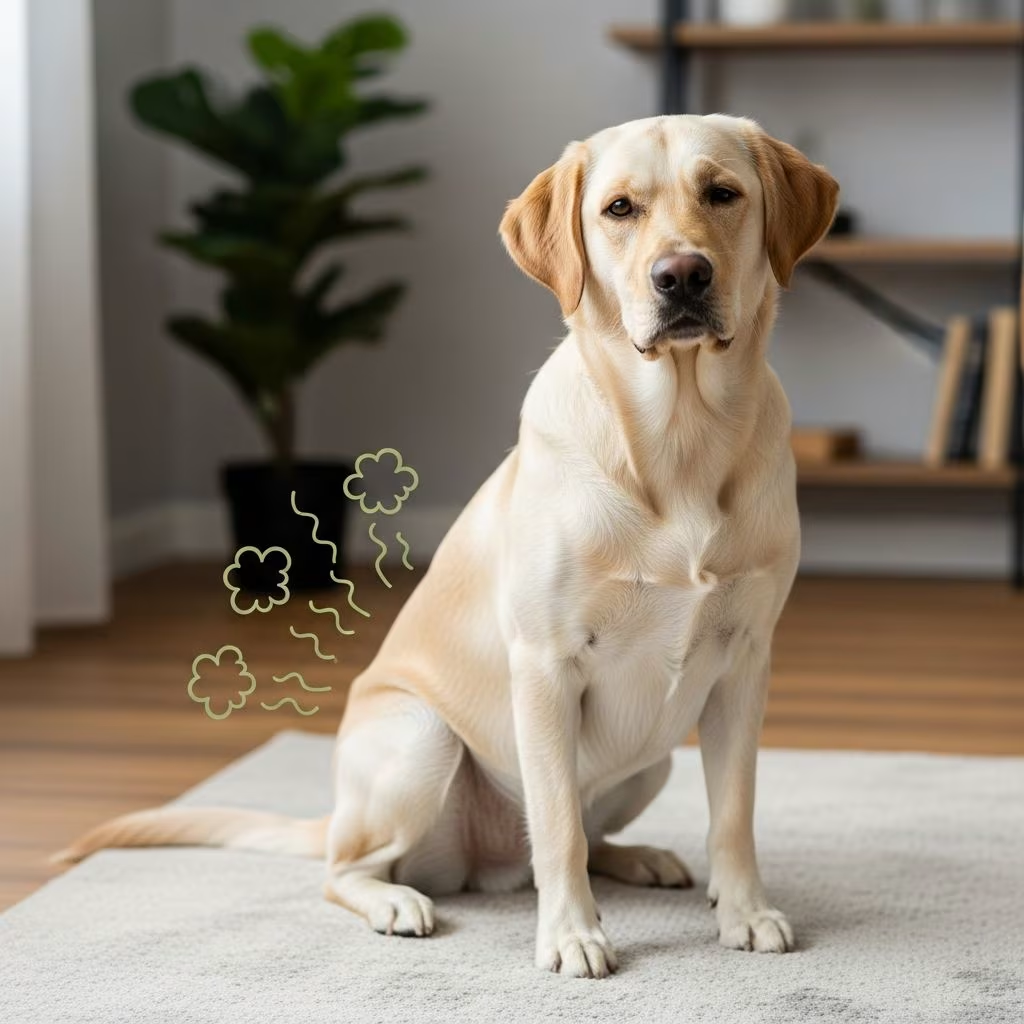
Your dog’s farts might be more than just a funny quirk—they can signal digestive issues ranging from simple diet problems to underlying health conditions. While occasional gas is normal, persistent foul-smelling flatulence often stems from bacterial fermentation in the gut, poor nutrient absorption, or swallowed air, leading to sulfur-rich odors that permeate your home.
Understanding the root causes empowers you to help your pup. This guide covers why dog farts smell bad, common triggers, when to worry, and actionable remedies backed by veterinary insights.
Is It Normal for Dogs to Fart?
Dogs produce gas daily as part of digestion, with normal flatulence resulting from swallowed air or mild bacterial breakdown of food. However, excessive or intensely smelly farts indicate excess gas accumulation in the intestines from fermentation or aerophagia (air swallowing).
- Healthy dogs pass gas 10-20 times daily, often odorless or mildly scented.
- Foul odors arise when gut bacteria produce hydrogen sulfide from undigested proteins, fibers, or carbs.
- Brachycephalic breeds like Bulldogs or Pugs fart more due to inefficient breathing and air intake.
Monitor patterns: If gas increases suddenly, smells rotten (like eggs from sulfur), or accompanies diarrhea, vomiting, or lethargy, consult a vet promptly.
Why Do Dog Farts Smell So Bad?
The stench comes primarily from volatile sulfur compounds generated by anaerobic bacteria fermenting undigested food in the colon. High-protein diets, lactose, or fermentable fibers amplify this, creating hydrogen sulfide gas with its signature rotten-egg smell.
Key contributors include:
- Bacterial overgrowth: Imbalanced gut flora ferments carbs and proteins excessively.
- Slow digestion: Food lingering in the gut allows more fermentation time.
- Dietary irritants: Spoiled food, table scraps, or allergens trigger inflammation and gas.
| Odor Type | Likely Cause | Examples |
|---|---|---|
| Rotten eggs | Sulfur from proteins/fibers | High-meat diets, beans |
| Fishy | Malabsorption or parasites | EPI, giardia |
| Sweet/yeasty | Carb fermentation | Grains, dairy |
Common Causes of Smelly Dog Farts
Dietary Indiscretion and Food Choices
The top culprit: sudden diet changes or scavenging garbage, spoiled food, or human scraps. Dogs lack enzymes to digest lactose, so milk/cheese causes bloating and stenchy gas. High-fiber foods like beans, peas, soy, or lentils ferment rapidly.
- Avoid: Dairy, spicy foods, fatty treats, grains (wheat/corn for sensitive dogs).
- Opt for: Highly digestible, low-residue kibble with limited ingredients.
Eating Habits and Aerophagia
Gluttonous eaters gulp air while scarfing meals, especially “nervous” or competitive feeders. Brachycephalic dogs swallow more air due to labored breathing. Post-exercise feeding exacerbates this.
Gut Microbiome Imbalance
Disrupted “good” bacteria from antibiotics, stress, or poor diet lead to over-fermentation. Probiotics restore balance, reducing gas by 50% in studies.
Medical Conditions Causing Excessive Gas
Chronic foul flatulence may signal health issues. Vet diagnostics like fecal tests, bloodwork, or ultrasounds pinpoint problems.
- Exocrine Pancreatic Insufficiency (EPI): Pancreas fails to produce digestive enzymes, causing maldigestion, weight loss, and cow-pie stools with horrible gas. Treated with lifelong enzyme supplements.
- Parasites: Worms (round/hook), giardia, coccidia irritate intestines, producing gas and diarrhea. Fecal exams and dewormers resolve most cases.
- Inflammatory Bowel Disease (IBD): Chronic gut inflammation from allergies or autoimmunity leads to poor absorption and fermentation.
- Obstructions/Motility Issues: Blockages slow food transit, brewing gas. Symptoms include bloating/pain; may need surgery.
- Infections: Bacterial/viral gut bugs increase gas production.
Breeds prone to gas: Deep-chested giants (Great Danes) for bloat risk; small breeds with sensitive stomachs.
How to Reduce Your Dog’s Farts
Start with lifestyle tweaks; 80% of cases improve via diet and habits.
Dietary Changes
- Switch to highly digestible, low-fat/low-fiber food gradually over 7-10 days.
- Use prescription hydrolyzed diets for allergies.
- Smaller, frequent meals reduce overload.
Feeding Strategies
- Slow feeders or puzzle toys prevent gulping.
- Feed in calm, non-competitive settings.
- Exercise 30-60 min daily pre-meal to aid motility.
Supplements and Meds
- Probiotics: FortiFlora or vet-recommended strains balance microbiome.
- Prebiotics: Feed good bacteria to curb fermentation.
- Gas reducers: Simethicone (Gas-X) for bloat; vet-prescribed for chronic cases.
- Enzymes for EPI.
Discourage scavenging with secure trash and leashed walks.
When to See a Vet for Dog Farts
Seek care if gas persists 1-2 weeks despite changes, or with:
- Diarrhea, vomiting, blood in stool.
- Weight loss, appetite changes, abdominal pain (hunched posture).
- Lethargy, dehydration, or swelling belly.
Vets may recommend: Fecal analysis, radiographs, endoscopy. Prognosis is excellent for diet-related issues; serious conditions like EPI are manageable.
Frequently Asked Questions (FAQs)
Why does my dog’s fart smell like rotten eggs?
Sulfur from protein fermentation or slow gut transit; common with high-meat diets or dairy.
Are some dog breeds more gassy?
Yes, brachycephalic breeds (Pugs, Bulldogs) swallow excess air; Labs/Golden Retrievers from gluttony.
Can probiotics stop dog farts?
Often yes, by restoring gut balance and improving digestion—use vet-approved products.
Is dog flatulence dangerous?
Rarely, but chronic cases signal issues like parasites or EPI needing treatment.
How long to see improvement after diet change?
3-7 days for mild cases; consult vet if no change in 2 weeks.
References
- Flatulence in Dogs – Causes, Treatment and Associated Symptoms — Vetster. 2023. https://vetster.com/en/symptoms/dog/flatulence
- Flatulence – farting and gas problems in dogs — Vetwest. 2023. https://www.vetwest.com.au/pet-library/flatulence-farting-and-gas-problems-in-dogs/
- Medical Conditions That Can Cause Gassiness in Dogs — Mountain Aire Veterinary Hospital. 2025-12-30. https://mountainairevet.com/2025/12/30/medical-conditions-causing-dog-gas/
- Flatulence — Best Friends Veterinary Center. 2023. https://bestfriendsvet.com/library/flatulence/
- Why Is My Dog Farting So Much? [Answered By a Vet] — PPC Vets. 2023. https://www.ppcvets.com/services/dogs/blog/why-my-dog-farting-so-much-why-your-dog-has-gas-and-how-stop-it
- Why Your Dog Farts and What to Do About It — PetMD. 2023. https://www.petmd.com/dog/general-health/why-your-dog-farts-and-what-to-do-about-it
- What Dog Owners Should Know About Dog Farts And How To Stop Them — AnimalBiome. 2023. https://www.animalbiome.com/blogs/dog/what-dog-owners-should-know-about-dog-farts-and-how-to-stop-them



