

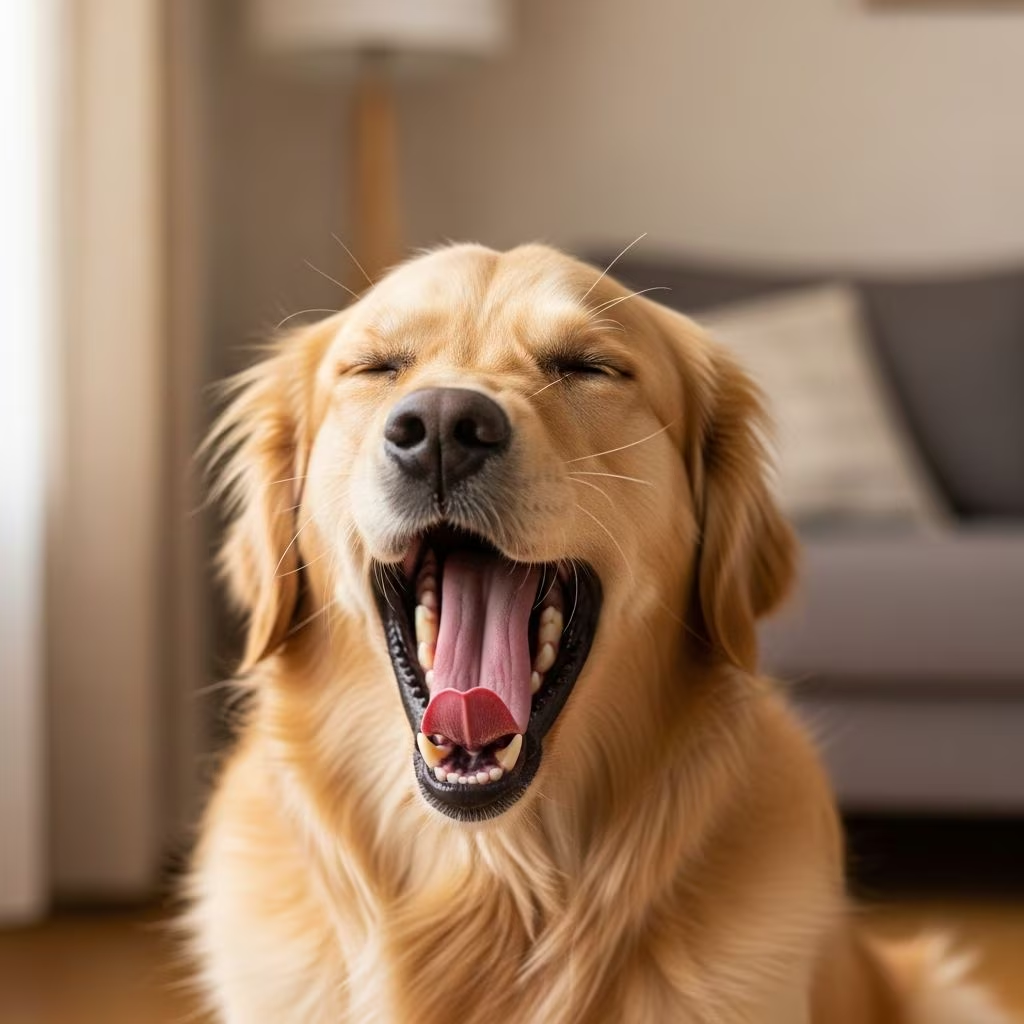
Dogs yawn for a variety of reasons beyond simple tiredness, often using this behavior as a key communication tool. Understanding **why your dog yawns so much** can help you better address their emotional and physical needs, improving your bond and their well-being.
Understanding Dog Yawning: More Than Just Sleepiness
Yawning in dogs serves multiple purposes, acting as a calming signal, a response to excitement, or even a way to communicate empathy. Unlike humans, where yawning primarily signals fatigue, dogs yawn to regulate emotions, cool their brains, and diffuse tension. Research and expert observations show it’s deeply tied to their social and survival instincts.
Observing context is crucial: a yawn during a vet visit differs vastly from one before playtime. Body language provides clues—relaxed posture suggests tiredness, while tense ears or pacing indicate stress.
7 Common Reasons Why Dogs Yawn
Here are the primary triggers for excessive dog yawning, backed by veterinary and behavioral insights:
- Stress Relief: Dogs yawn to self-soothe during anxiety-provoking situations like thunderstorms, baths, or vet exams. It increases oxygen flow and cools the brain, calming them.
- Excitement: Overstimulation from play, greetings, or walks can prompt yawns as an energy release. Look for wagging tails and play bows alongside.
- Boredom: Understimulated dogs yawn from lack of mental or physical activity, similar to humans in dull meetings. Signs include pacing or destructive chewing.
- Tiredness: The classic reason, with calm yawns during rest transitions, slow breathing, and stretching.
- Empathetic Mimicry: Dogs yawn contagiously when bonded to owners, mirroring human yawns to show emotional connection.
- Conflict Avoidance: Yawns signal ‘I’m not a threat’ to diffuse tension with other dogs or people.
- Confusion or Uncertainty: During training or unclear commands, yawns indicate mild stress from not understanding expectations.
Stress-Related Yawning in Dogs
**Stress** is the most cited cause of frequent yawning. Behaviorists note dogs yawn to cope with anxiety, often alongside lip-licking, panting, or averted gaze. Common triggers include fireworks, new environments, or punishment anticipation.
In obedience classes, stressed dogs yawn before corrections, signaling discomfort. Prolonged, intense yawns differ from sleepy ones, urging owners to intervene with calming techniques like gentle petting or removal from the stressor.
How to Spot Stress Yawns
| Accompanying Signs | Interpretation | Response |
|---|---|---|
| Ears pinned back, panting, pacing | Fear or anxiety | Remove stressor, use anxiety aids |
| Cowering, hiding | High stress | Provide safe space, consult trainer |
| Lip licking, erratic eyes | Mild discomfort | Calm environment, positive reinforcement |
Excitement and Overstimulation Yawns
When your dog yawns during greetings or play, it’s often **excitement**. Puppies at dog parks yawn amid jumping and wiggling, channeling high energy. This prevents overwhelm, much like stress yawns.
Distinguish by happy body language: loose wagging tail, play bows. Encourage with structured play to channel energy positively.
Boredom: When Yawns Signal Understimulation
Bored dogs yawn from insufficient exercise or mental challenges. Breeds with high needs (e.g., herding dogs) suffer most without puzzles, walks, or training.
Counter with enrichment: puzzle toys, scent games, or agility. Monitor for chewing or digging as boredom escalates.
Tiredness and Sleep-Related Yawning
The simplest explanation: dogs yawn when sleepy, especially mornings or before bed. Relaxed body and slow breaths confirm this benign cause.
Ensure 12-14 hours of sleep for puppies, 10-13 for adults. Disruptions from noise or discomfort increase daytime yawns.
Empathy and Communication: Social Yawns
Dogs yawn to comfort owners during arguments or stress, showing empathy. Contagious yawning strengthens bonds, more common with familiar people.
In multi-dog homes, yawns diffuse pack tension, signaling peace.
When to Worry: Medical Reasons for Excessive Yawning
While behavioral, persistent yawning warrants vet checks. Causes include:
- Cognitive Dysfunction (Dementia): Older dogs yawn from sleep disruptions, pacing, or sundowning.
- Gastrointestinal Issues: Diarrhea or nausea interrupts rest, leading to fatigue yawns.
- Skin Problems: Allergies or fleas cause itchiness, preventing sleep.
- Respiratory or Heart Issues: Difficulty breathing prompts compensatory yawns.
- Lethargy: Combined with weakness, signals illness.
If yawns accompany lethargy, appetite loss, or odd behaviors, seek veterinary advice promptly.
Dog Yawn Cheat Sheet: Behaviors and Responses
| Behavior | Meaning | What to Do |
|---|---|---|
| Relaxed body, slow breathing | Tiredness | Allow rest or cuddles |
| Wagging tail, play bowing | Excitement | Play, walks, engagement |
| Pacing, digging, chewing | Boredom | Mental stimulation, exercise |
| Pinned ears, tucked tail | Stress/fear | Calming techniques, training |
| During greetings/conflict | Appeasement | Monitor interactions |
How to Respond to Your Dog’s Yawns
Context dictates action:
- Stress: Create calm via pheromone diffusers, desensitization training.
- Excitement/Boredom: Increase exercise, toys.
- Tiredness: Routine sleep schedule.
- Social: Reinforce positive interactions.
Track patterns in a journal for vet discussions. Professional trainers help chronic cases.
Frequently Asked Questions (FAQs)
Is excessive yawning always a sign of stress in dogs?
No, it can indicate excitement, boredom, tiredness, or health issues. Context and body language are key.
Why does my dog yawn when I yawn?
This is empathetic contagious yawning, showing emotional bonding.
Should I be concerned if my dog yawns a lot at the vet?
Common stress response; monitor other signs, but usually normal.
Can boredom cause constant yawning?
Yes, provide more stimulation to prevent.
When should I take my yawning dog to the vet?
If accompanied by lethargy, appetite changes, or persists despite lifestyle tweaks.
References
- Four Reasons Why Dogs Yawn — Beyond the Dog Training. 2023. https://beyondthedogtraining.com/sarasota-dog-friendly-guide/four-reasons-why-dogs-yawn/
- Dog Starts Yawning A Lot? 5 Surprising Reasons 2024 — Gladiator Knine. 2024. https://gladiator-knine.com/dog-starts-yawning-alot/
- Why Do Dogs Yawn? Reasons and How to Respond — Rover.com. 2023. https://www.rover.com/blog/why-do-dogs-yawn/
- Why Do Dogs Yawn? — American Kennel Club (AKC). 2023-10-01. https://www.akc.org/expert-advice/advice/why-do-dogs-yawn/
- Why Do Dogs Yawn? — Purina. 2024. https://www.purina.com/articles/dog/behavior/understanding-dogs/why-do-dogs-yawn
- Dog Yawning Decoded — Pride + Groom. 2023. https://prideandgroom.com/blogs/news/dog-yawning-decoded-why-a-yawn-is-worth-1000-words
- Why Do Dogs Yawn? — VCA Animal Hospitals. 2024. https://vcahospitals.com/shop/articles/why-do-dogs-yawn



