

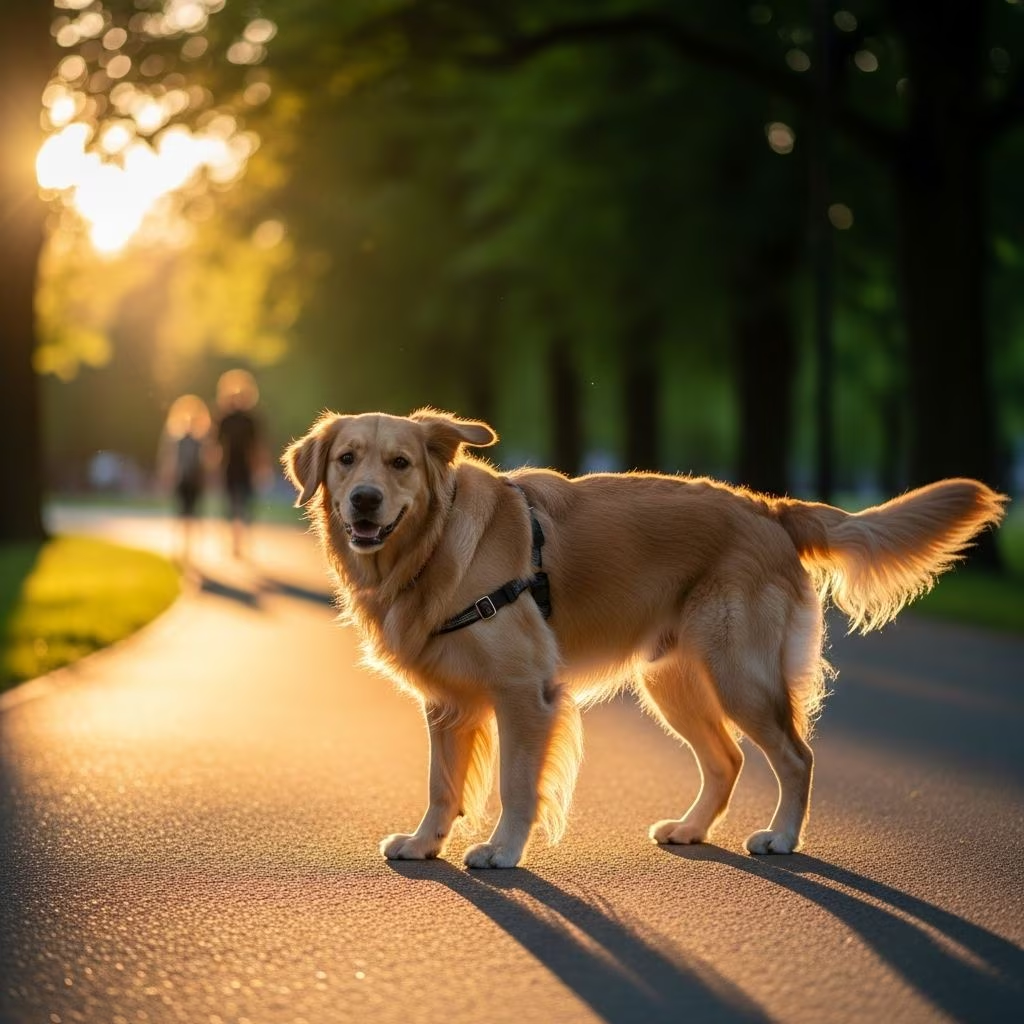
Dogs occasionally walking sideways, often called “crabbing,” can stem from benign reasons like playfulness or adaptation to new environments, but it may also signal underlying health issues such as vestibular disease, injuries, or neurological problems. Understanding the context—whether sudden onset, gradual, one-sided, or playful—helps determine if it’s normal behavior or requires veterinary intervention.
What Does Sideways Walking Look Like?
Sideways walking in dogs, or crabbing, occurs when the hind legs move out of alignment with the front legs, causing the body to slant, curve, or veer to one side instead of a straight stride. This gait abnormality might appear as leaning, stumbling, circling, or an exaggerated sway, particularly noticeable during turns, on uneven surfaces, or when excited. Owners often first notice it during walks, play, or when the dog rises from rest. While not always painful, it disrupts normal coordination and posture, prompting concern about balance, pain, or neurological function.
Observe accompanying signs: head tilting, rapid eye movements (nystagmus), ear scratching, reluctance to turn one way, falling over, or changes in appetite and energy. Documenting these details aids veterinarians in diagnosis, as patterns reveal whether it’s musculoskeletal, vestibular, or behavioral.
Common Causes of Sideways Walking in Dogs
Several factors contribute to this gait change, ranging from temporary quirks to serious conditions. Here’s a breakdown of the most frequent culprits:
- Vestibular Disease: Affects the inner ear and balance system, common in older dogs. Symptoms include sudden head tilt, circling, falling to one side, and nausea. Idiopathic cases often resolve in days to weeks with supportive care like anti-nausea meds and a quiet environment.
- Inner Ear Infections: Bacterial or yeast infections disrupt equilibrium, causing head shaking, odor from ears, pain, and sideways gait. Treatable with vet-prescribed antibiotics, antifungals, or ear cleanings.
- Stroke or TIA: Rare but serious, leading to sudden weakness, head tilt, and imbalance on one side. Requires immediate imaging and supportive therapy.
- Neurological Disorders: Includes intervertebral disc disease (IVDD), degenerative myelopathy, brain tumors, or encephalitis, resulting in progressive coordination loss, limb dragging, or tremors.
- Musculoskeletal Issues: Hip dysplasia, arthritis, muscle strains, or joint instability cause compensatory gaits to avoid pain. Common in large breeds, worsening with age or activity.
- Injuries or Trauma: Sprains, fractures, torn ligaments, or spinal injuries alter posture. Dogs mask pain but show gait changes.
- Toxin Exposure: Ingestion of chocolate, xylitol, antifreeze, or medications causes ataxia mimicking sideways walking, often with vomiting or seizures.
- Anal Gland Problems: Impacted or infected glands cause scooting, circling, or careful sideways steps to ease discomfort.
- Canine Cognitive Dysfunction: In senior dogs, akin to dementia, leading to disorientation, circling, and veering.
- Developmental or Anatomical Factors: Puppies or large breeds may crab due to clumsiness, rapid growth, or conformational traits like wide hips.
Benign Reasons Dogs Walk Sideways
Not all sideways walking indicates illness. Harmless causes include:
- Playfulness or Excitement: Dogs may crab when overjoyed, using body language for communication. It resembles a playful bow or zigzag run.
- Avoidance Behaviors: Sidestepping new surfaces (e.g., tile, carpet), objects, or other pets. Puppies adapt quickly.
- Breed Traits: Wide-chested breeds like Bulldogs or growing giants temporarily crab due to body proportions.
These resolve spontaneously without intervention, but monitor for persistence.
When to Worry About Sideways Walking
Seek vet care immediately if sideways walking appears suddenly, especially with:
- Head tilt, nystagmus, vomiting, or collapse.
- One-sided weakness, dragging limbs, or refusal to eat.
- Trauma history, toxin exposure, or rapid worsening.
- Accompanying lethargy, pain vocalization, or incontinence.
Gradual onset in seniors might indicate arthritis or cognitive decline, still warranting exams. Early intervention prevents progression.
Diagnosing the Cause
Vets start with history and physical/neurological exams, checking gait, reflexes, ear swab, and pain response. Diagnostics may include:
| Test | Purpose |
|---|---|
| Bloodwork | Detect infections, toxins, organ issues. |
| X-rays/MRI/CT | View bones, joints, brain/spine abnormalities. |
| Ear Cytology | Identify infections/parasites. |
| Cerebrospinal Fluid Tap | Rule out meningitis or tumors. |
Tailored tests pinpoint causes efficiently.
Treatment Options
Treatments vary by diagnosis:
- Vestibular/ear issues: Medications (antibiotics, anti-inflammatories), fluids, rest.
- Musculoskeletal: Pain relief (NSAIDs), supplements (glucosamine), physical therapy, surgery for severe dysplasia.
- Neurological: Steroids, anti-seizure drugs, surgery, or mobility aids like wheelchairs.
- Toxins: Decontamination, antidotes, monitoring.
- Supportive: Harness assistance, non-slip floors, elevated bowls.
Follow-up ensures recovery; many dogs regain normal gait.
Preventing Sideways Walking Issues
Minimize risks through:
- Regular vet checkups, especially for seniors/large breeds.
- Balanced diet preventing nutritional deficiencies.
- Weight management reducing joint strain.
- Secure toxins, safe environments.
- Early socialization/exercise building coordination.
- Ear hygiene, prompt infection treatment.
Frequently Asked Questions (FAQs)
Why does my dog suddenly walk sideways?
Sudden sideways walking often signals vestibular disease, stroke, ear infection, or toxin exposure affecting balance/coordination. Consult a vet promptly.
Can hip dysplasia cause sideways walking?
Yes, dogs compensate for hip pain by shifting weight, leaning, or crabbing, especially large breeds. X-rays confirm; treatments include meds and therapy.
Is sideways walking normal in puppies?
Often yes, due to growth clumsiness or anatomy, resolving as they mature. Persistent cases need evaluation for developmental issues.
Does vestibular disease resolve on its own?
Idiopathic cases in older dogs frequently improve within weeks with supportive care, but vet diagnosis rules out treatable causes.
What if my dog walks sideways when excited?
Playful crabbing is harmless, driven by joy or attention-seeking. Distinguish from medical signs by context and persistence.
References
- Why is My Dog Walking Sideways All of a Sudden? — Walkin’ Pets. 2023. https://walkinpets.com/blogs/blog/dog-walking-sideways
- What to do if your dog is walking sideways — Vetster. 2024. https://vetster.com/en/wellness/what-to-do-if-your-dog-is-walking-sideways
- Why Is My Dog Walking Sideways All of a Sudden? — Whole Dog Journal. 2023-09-06. https://www.whole-dog-journal.com/health/why-is-my-dog-walking-sideways-all-of-a-sudden/



