

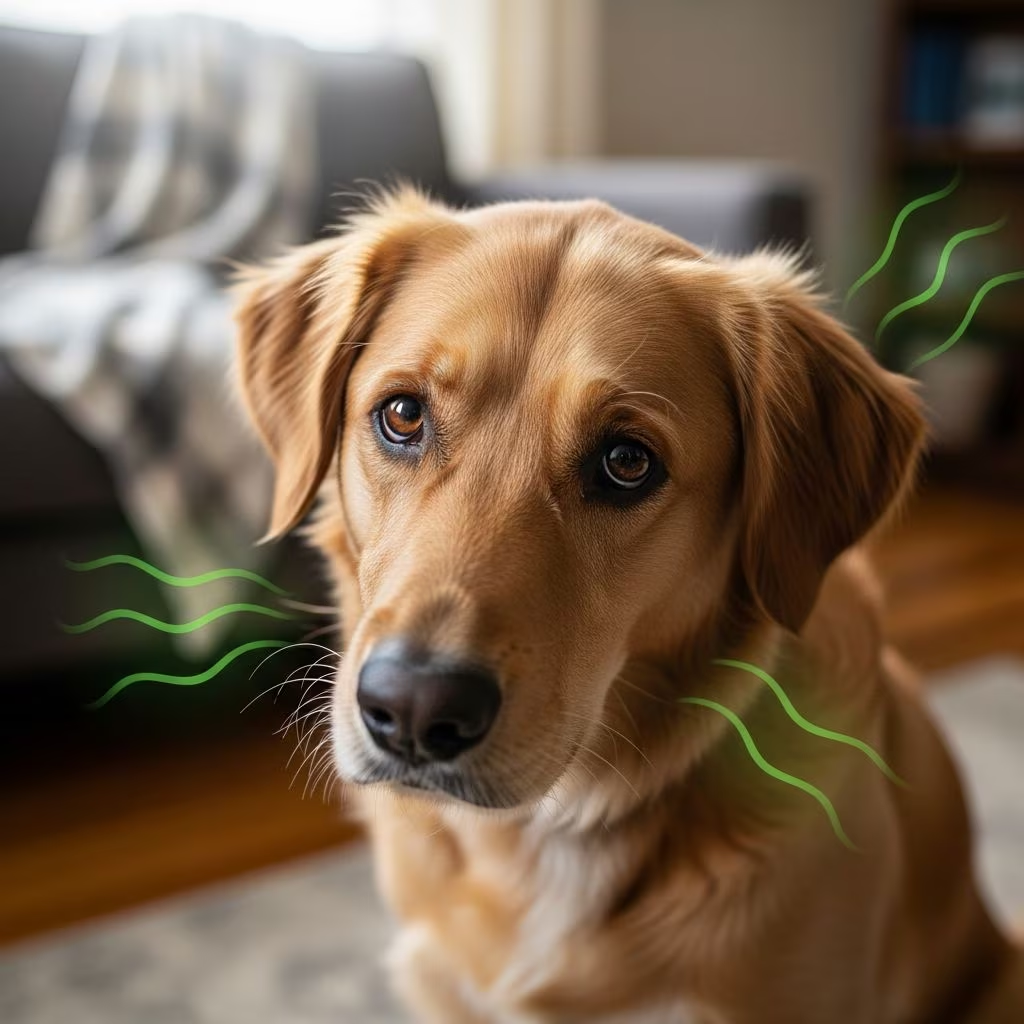
Your beloved dog might be your best friend, but that lingering odor can test even the strongest bonds. A smelly pup is more common than you think, often stemming from simple hygiene oversights but sometimes signaling deeper health concerns. Understanding the root causes empowers you to restore freshness and ensure your dog’s well-being. This comprehensive guide explores every possible reason behind your dog’s stink, from everyday issues to medical red flags, backed by veterinary insights.
Causes for a Smelly Dog
Dogs’ powerful sense of smell helps them navigate the world, but their own odors can arise from natural processes amplified by environment or health. While humans have about 5 million scent receptors, dogs boast 100-300 million, making them hyper-aware of smells—including their own when problematic. Common culprits include bacteria, yeast, and glandular secretions that intensify under certain conditions.
Wet Dog Smell
That unmistakable “wet dog” aroma hits after a bath, swim, or rainy walk. It’s not the water itself but the proliferation of naturally occurring yeast and bacteria on a dog’s skin and fur. These microbes thrive in moist environments, reacting with water to release volatile compounds like methanethiol, creating the pungent scent. Breeds with dense undercoats, such as Golden Retrievers or Labradors, are particularly prone as moisture traps deeper in the fur.
To combat this, dry your dog thoroughly post-wet activities using towels and low-heat blow dryers. Opt for shampoos with antifungal ingredients like chlorhexidine or ketoconazole, which target yeast overgrowth without stripping natural oils. Regular brushing distributes skin oils evenly, reducing bacterial buildup. Frequency matters: bathe every 4-6 weeks unless soiled, as overbathing dries skin and worsens odors.
Ear Infections
Ear infections top the list for foul, yeasty odors, often described as cheesy or rancid. Causes range from allergies triggering inflammation, ear mites burrowing in canals, excess moisture from swimming, or overgrowth of hair in floppy-eared breeds like Cocker Spaniels and Basset Hounds. Bacteria (e.g., Pseudomonas) or yeast (Malassezia) flourish in warm, dark ear canals, producing discharge and debris.
Symptoms include vigorous head shaking, scratching at ears, redness, swelling, and dark waxy buildup. Dr. Alison Diesel, clinical assistant professor at Texas A&M College of Veterinary Medicine, notes these signs demand prompt attention to prevent chronic issues. Home checks involve gently inspecting canals—if you see coffee-ground-like debris or smell rot, see a vet.
Treatment typically involves vet-prescribed ear cleaners and topical medications. Clean ears weekly with vet-approved solutions, avoiding cotton swabs that push debris deeper. For allergy-prone dogs, hypoallergenic diets or apoquel may reduce flare-ups. Prevention: dry ears after baths or swims.
Kidney Disease
A sweet, ammonia-like breath or overall musty body odor signals kidney disease, especially in seniors. Kidneys filter waste; dysfunction causes uremia, where toxins like urea build in blood and exhale through breath and skin. Early signs include increased thirst, urination, lethargy, and incontinence.
The American Veterinary Medical Association reports kidney disease affects 1 in 10 older dogs, underscoring regular senior checkups. Diagnosis via bloodwork (elevated BUN/creatinine) guides treatments like dietary phosphorus restriction, fluids, or medications. While not curable, management extends life—catch it early via bi-annual vet visits for dogs over 7.
Impacted Glands
Anal gland issues produce the infamous fishy stench, often with scooting, dragging rear on carpets, or licking the area excessively. Small sacs flanking the anus fill with fluid and express during defecation. Blockage from soft stools, allergies, or narrow ducts leads to impaction, swelling, and infection.
Dr. Diesel recommends manual expression by a groomer or vet every 4-8 weeks for chronic cases, plus high-fiber diets (pumpkin, green beans) to firm stools naturally. Surgical options exist for recurrent abscesses. Signs of rupture: bloody discharge, pain—emergency vet care needed.
Skin Infections
Skin fold dermatitis plagues wrinkly breeds like Shar Peis, Bulldogs, Pugs, and Bassets. Warm, moist folds trap bacteria and yeast, fermenting into rancid odors. Hot spots (acute moist dermatitis) from allergies or insect bites add red, oozing patches.
Daily cleaning with medicated wipes (chlorhexidine), keeping folds dry with powders, and clippers for airflow help. Vets may prescribe antibiotics, antifungals, or steroids. Address allergies via novel protein diets or immunotherapy. Flea preventives are crucial, as parasites exacerbate infections.
Dental Problems
Bad breath (halitosis) from plaque, tartar, or periodontal disease affects 80% of dogs by age 3. Bacteria in tartar release sulfur compounds, tainting breath and potentially body odor if infections spread. Small breeds suffer more due to crowded teeth.
Daily brushing with enzymatic toothpaste, dental chews, and annual cleanings under anesthesia prevent escalation. Toys like Kongs with dental ridges scrape buildup. Signs: loose teeth, drooling, pawing mouth—vet dental x-rays essential.
Gas and Diet
Flatulence odors arise from diet mismatches, like high-carb kibble fermenting in the gut. Food allergies, intolerances, or scavenging add to it. Probiotics restore gut flora; switch to limited-ingredient foods gradually.
How to Get Rid of Dog Smell: Grooming and Hygiene Tips
Prevention beats cure. Bathe with oatmeal or hypoallergenic shampoos bi-monthly. Brush daily to remove dead hair trapping oils. Trim nails monthly to avoid bacterial harbors. Wipe paws post-walks to nix street grime.
- Use enzymatic cleaners for beds/accidents—neutralize odors at source.
- High-quality diet supports skin health; omega-3 supplements reduce inflammation.
- Ventilate home; air purifiers with HEPA filters trap pet dander.
- Professional grooming quarterly for hard-to-reach spots.
When to See a Vet for Dog Odor
Persistent smell despite hygiene warrants a vet visit. Rule out systemic issues via exams, bloodwork, cytology. Early intervention prevents costly treatments. Track symptoms: odor type, location, duration for accurate diagnosis.
Frequently Asked Questions (FAQs)
Why does my dog smell even after a bath?
Underlying issues like infections or glands persist. Wet dog smell from yeast reactivates; use medicated shampoos.
Can diet cause dog smell?
Yes, poor-quality food leads to gas/skin issues. Fiber-rich, protein-focused diets help.
How do I know if it’s ear infection?
Foul odor, head tilt, scratching. Vet swab confirms.
Are some breeds smellier?
Floppy ears, wrinkles predispose to infections (e.g., Spaniels, Pugs).
Is dog stink dangerous?
Often benign, but kidney/diabetes odors signal urgency.
Table: Common Dog Odors and Causes
| Odor Type | Possible Cause | Solution |
|---|---|---|
| Fishy rear | Anal glands | Expression, fiber diet |
| Yeasty ears | Infection | Cleaner, meds |
| Ammonia breath | Kidney disease | Vet bloodwork |
| Musty skin | Folds/infection | Drying, antibiotics |
| Rotten mouth | Dental | Brushing, cleaning |
References
- Why Does My Dog Stink? Tips for Smelly Pups — Kinship. 2023. https://www.kinship.com/uk/dog-health/why-does-my-dog-stink
- Canine Olfaction: Physiology, Behavior, and Possibilities — National Center for Biotechnology Information (PMC). 2021-08-24. https://pmc.ncbi.nlm.nih.gov/articles/PMC8388720/
- Periodontal Disease in Dogs — American Veterinary Medical Association. 2024. https://www.avma.org/resources-tools/pet-owners/petcare/dental-care-dogs
- Chronic Kidney Disease in Dogs — Merck Veterinary Manual. 2025. https://www.merckvetmanual.com/dog-owners/kidney-and-urinary-tract-disorders-of-dogs/chronic-kidney-disease-in-dogs
- Ear Infections in Dogs — VCA Animal Hospitals. 2024. https://vcahospitals.com/know-your-pet/ear-infections-in-dogs-otitis-externa
- Anal Sac Disease in Dogs — American College of Veterinary Surgeons. 2023. https://www.acvs.org/small-animal/anal-sac-disease/



