

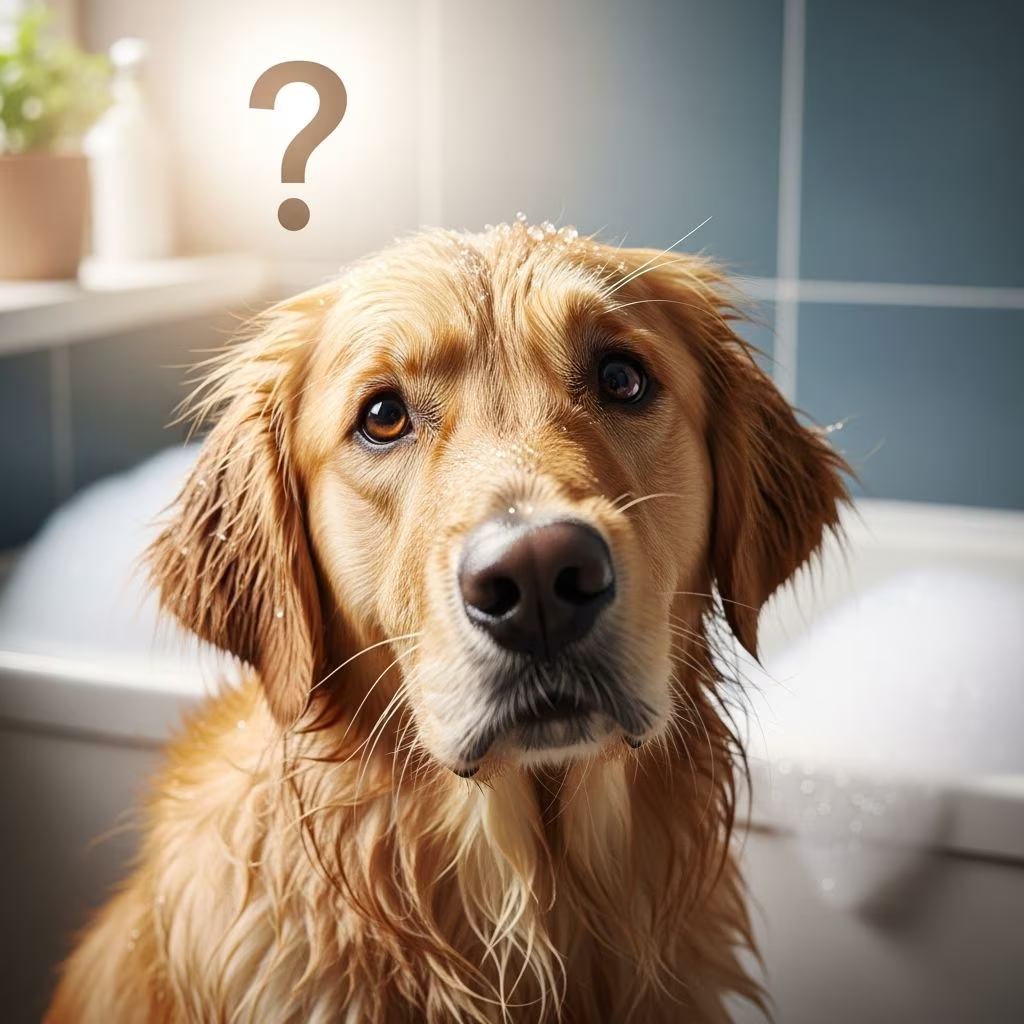
There’s nothing quite like the joy of a clean, fresh-smelling dog after a bath. Yet, many pet owners face the puzzling issue of their dog developing a bad odor shortly after grooming. This persistent stink can stem from grooming errors, health conditions, or environmental factors, turning what should be a pleasant experience into a frustrating one. Understanding the root causes is key to eliminating the smell for good and keeping your furry friend healthy and odor-free.
In this comprehensive guide, we’ll explore the most common reasons why your dog stinks even after a bath, backed by insights from veterinary experts and pet care professionals. From inadequate drying techniques to underlying medical issues, you’ll learn practical solutions to restore that fresh scent and prevent future problems. Whether it’s a yeasty ear smell, fishy anal gland odor, or general mustiness, we’ve got you covered with actionable tips.
Poor Grooming Techniques
One of the primary culprits behind a stinky dog post-bath is using the wrong products or methods. Human shampoos, for instance, have a different pH balance than a dog’s skin, which is more neutral (around 6.5-7.5). This mismatch can strip natural oils, leading to dry skin that breeds bacteria and yeast, causing foul odors.
- Choose dog-specific shampoos: Opt for mild, moisturizing formulas tailored to your dog’s coat type—oatmeal for sensitive skin, medicated for allergies.
- Conditioner is crucial: Always follow with a conditioner to restore moisture and prevent dryness-induced smells.
- Rinse thoroughly: Leftover shampoo residue ferments in the coat, creating a sour smell.
Establish a grooming routine suited to your dog’s breed and lifestyle. Short-haired breeds may need baths every 4-6 weeks, while long-haired ones benefit from weekly brushing to distribute oils evenly.
Overgrooming and Stripping Natural Oils
Bathing too frequently disrupts the skin’s natural sebum production, leading to dryness, irritation, and odor as bacteria proliferate on flaky skin. Dogs produce oils to protect their coat; over-washing removes this barrier, prompting overproduction that smells musty.
Symptoms include dull coat, scratching, and a greasy or yeasty scent. Balance is essential—most dogs thrive on baths every 1-3 months unless advised otherwise by a vet.
- Adjust frequency: Monitor skin health; if it looks dry, space out baths.
- Use gentle products: Hypoallergenic shampoos with natural ingredients like aloe vera maintain the moisture barrier.
- Supplement with brushing: Daily brushing removes debris without water, preserving oils.
Inadequate Drying After Bathing
Nothing fosters bad smells faster than trapped moisture. Damp fur creates a warm, humid environment where bacteria and yeast multiply rapidly, producing that classic “wet dog” or musty odor—even if the bath was recent.
Floppy-eared breeds and those with dense undercoats are especially prone, as water lingers in folds and crevices.
| Area | Drying Tip | Why It Helps |
|---|---|---|
| Ears | Use a cotton ball to wick moisture; avoid deep insertion | Prevents yeast infections causing cheesy smells |
| Paws & Skin Folds | Towel dry thoroughly, then air dry with a fan | Stops bacterial growth in humid spots |
| Full Coat | Low-heat blow dry from roots outward | Evaporates water fully without scorching |
Pro tip: Apply a vet-approved deodorizing spray on damp fur for extra protection against microbes.
Dirty Bathing Equipment
Your tools can sabotage cleanliness. Brushes harboring old fur and oils, soiled towels, or a grimy tub reintroduce bacteria during baths, perpetuating the cycle of stink.
- Clean brushes weekly: Soak in vinegar-water solution to kill germs.
- Wash towels separately: Use pet-safe detergent; dry completely.
- Disinfect tub: Bleach solution (1:10) after each use.
Neglecting this transfers odors back, making baths futile.
Poor Oral Hygiene
Bad breath isn’t just off-putting—it wafts over the whole dog. Plaque buildup leads to periodontal disease, releasing volatile sulfur compounds that linger despite bathing.
Dogs can’t rinse like humans, so bacteria thrive, causing a rotten or garlicky smell.
- Brush daily: Use enzymatic toothpaste and finger brush.
- Dental chews & water additives: Reduce tartar by 70% with consistent use.
- Regular vet cleanings: Professional scaling every 6-12 months.
Diet’s Impact on Skin and Coat Health
A subpar diet lacking omega fatty acids and quality proteins leads to poor skin health, excessive shedding, and odors from imbalanced gut bacteria or allergies.
Low-quality foods with fillers like corn trigger inflammation, altering sebum production for a greasy smell. Dehydration exacerbates this by concentrating waste smells.
- Upgrade to premium kibble: Look for named meat sources, probiotics, and fish oil.
- Hydration hacks: Fresh water fountains encourage drinking.
- Supplements: Omega-3s reduce inflammation; probiotics support gut health.
Skin Problems, Allergies, and Infections
Persistent odors often signal medical issues. Yeast infections produce a musty, pretzel-like scent; bacterial ones are pungent. Allergies cause itchy, oily skin that dogs lick, spreading saliva smells.
- Atopic dermatitis: Environmental allergens like pollen lead to inflamed, smelly skin.
- Flea allergy: Bites cause hot spots with rotten odors.
- Seborrhea: Oily or dry flakes emit strong smells.
Diagnosis requires vet skin scrapes or cytology.
Ear Infections (Otitis Externa)
Smelly ears are a red flag. Yeast or bacteria in moist canals create a foul, cheesy discharge. Head shaking and scratching confirm it.
- Clean gently: Vet-recommended solutions only; never Q-tips deep.
- Treat underlying causes: Allergies often contribute.
Anal Gland Issues
That unmistakable fishy stench? Blocked anal sacs. Normal expression during defecation prevents buildup, but diarrhea or soft stools hinder this, leading to impaction and infection.
Dogs scoot or lick excessively. Vets manually express; diet with fiber helps long-term.
- Diet fix: Pumpkin or high-fiber food firms stools.
- Expression schedule: Every 4-6 weeks if recurrent.
Other Health Issues
Less common but serious: Hormonal imbalances like hypothyroidism cause oily skin smells; diabetes leads to sweet breath turning rancid. Always rule out systemic disease with bloodwork.
When to See a Vet
If odors persist despite fixes, or accompany lethargy, hair loss, or wounds, seek professional help. Early intervention prevents chronic issues.
Prevention Tips for Lasting Freshness
- Regular grooming schedule
- High-quality diet and hydration
- Thorough drying and tool hygiene
- Monitor for early health signs
Frequently Asked Questions (FAQs)
Why does my dog smell like Fritos even after a bath?
Paw bacteria (Proteus or Pseudomonas) produce this corn-chip scent. Wash paws daily and dry well.
How often should I bathe my dog to avoid smells?
Every 4-12 weeks, depending on breed and activity. Overbathing worsens odors.
Can diet really cause dog odor after bathing?
Yes, poor nutrition leads to skin issues and gut imbalances amplifying smells.
What if my dog smells fishy post-bath?
Anal gland problems. Consult a vet for expression.
Is wet dog smell normal?
Mildly, from natural oils and microbes, but strong persistence indicates issues.
References
- Why Does My Dog Smell Bad Even After a Bath? Causes – Solutions — Top Dog. 2023. https://topdog.gr/en/why-does-my-dog-smell-bad-even-after-a-bath/
- Smelly Dog? Here’s Why—and How To Get Rid of Dog Smell for Good — Chewy Education. 2024. https://www.chewy.com/education/dog/grooming/the-dog-odor-answer
- Why your dog still stinks after a bath — NutriSource Pet Foods. 2023. https://nutrisourcepetfoods.com/blog/pet-parents/3-common-culprits-if-your-dog-still-stinks-after-a-bath/
- Why Does My Dog Smell So Bad? Here Are 4 Reasons Why — Angry Orange. 2024. https://angryorange.com/blogs/news/why-does-my-dog-smell-so-bad
- Dog Stinks 2 Days After Bath: Causes and Solutions — UAH Pet. 2024. https://www.uahpet.com/blogs/post/dog-stinks-2-days-after-bath-causes-and-solutions



