

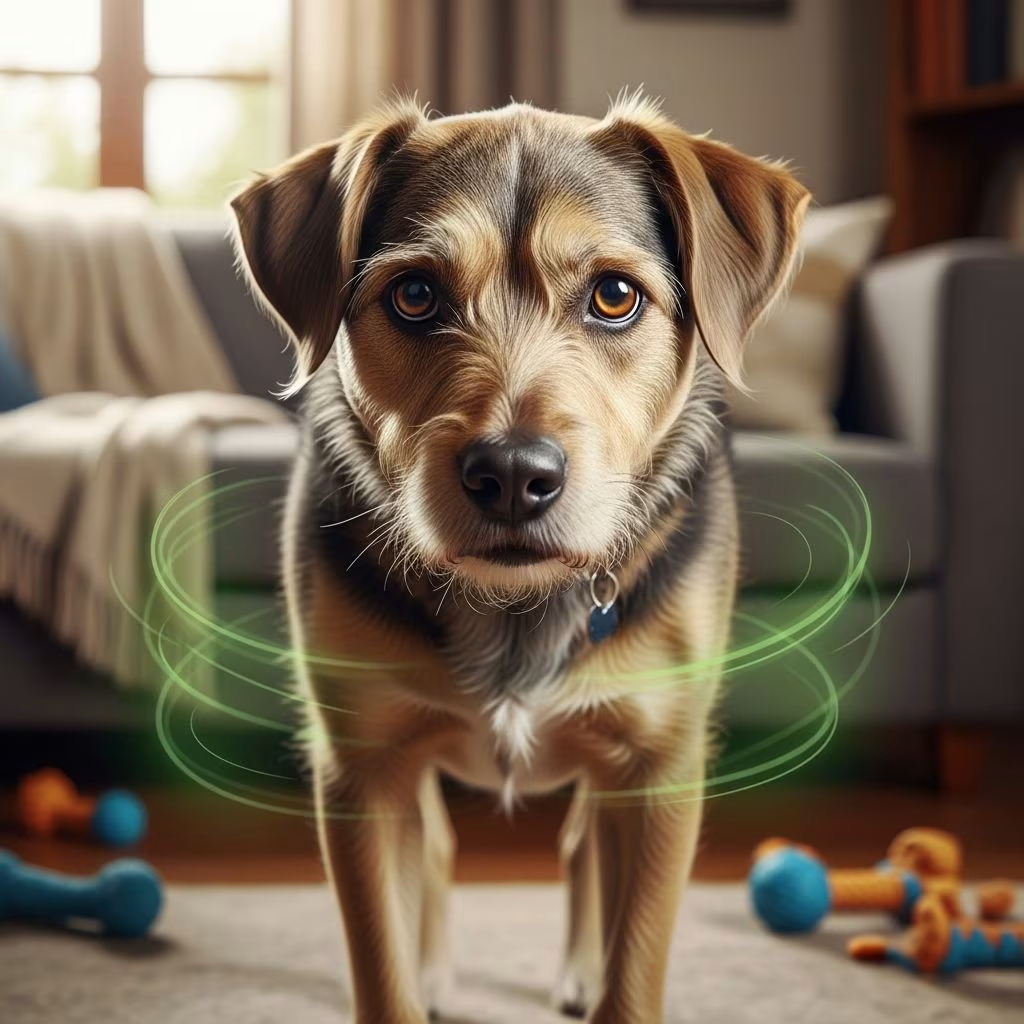
Your dog might be your best friend, but that pungent odor wafting from their fur can test even the strongest bonds. A smelly dog isn’t just unpleasant— it often signals an underlying health issue that needs attention. Common culprits range from everyday hygiene lapses to serious medical conditions like infections or allergies. Understanding the root cause is key to effective treatment and prevention.
Dogs have natural oils in their skin that protect their coat, but when these oils mix with bacteria, yeast, or other factors, odors develop. Breeds with wrinkled skin, like Bulldogs or Pugs, or those with heavy coats, such as Spaniels, are particularly prone. Regular vet check-ups and grooming can help, but persistent smells warrant professional diagnosis.
Common Causes of Dog Odor
Dog odors vary by source: musty from yeast, fishy from anal glands, rotten from dental issues, or yeasty from ears. Here’s a breakdown of the most frequent reasons your dog might stink.
Skin Infections and Allergies
Skin issues top the list of why dogs smell bad. Allergies to food, pollen, or fleas trigger itching, leading to scratching that breaks the skin barrier. This allows bacteria like Staphylococcus pseudintermedius or yeast like Malassezia to overgrow, producing a musty or cheesy smell.
Secondary infections thrive in moist areas like skin folds, paws, or armpits. Symptoms include red, inflamed skin, greasy coat, dandruff, and hot spots. Seborrhea, either primary (genetic, breed-specific) or secondary (from allergies or hormones), causes oily, flaky skin with a rancid odor.
- Allergy signs: Itching, paw licking, ear infections.
- Treatment: Identify allergens via elimination diet or testing; medicated shampoos with chlorhexidine, miconazole, or phytosphingosine. Oral antibiotics or antifungals for severe cases.
Breeds like Labrador Retrievers and Golden Retrievers often suffer from atopy, a genetic allergy condition causing chronic skin inflammation and odor.
Anal Gland Problems
Dogs have two anal sacs that express during bowel movements, releasing a fishy secretion for scent marking. When impacted or infected, they leak foul-smelling fluid, often noticed on bedding or during ‘scooting’—dragging the rear on floors.
Symptoms: Scooting, excessive licking, swelling near the anus, bloody discharge. Poor diet low in fiber can contribute by softening stools, preventing natural expression.
- Treatment: Vet manual expression, flushing if infected; high-fiber diet or pumpkin supplements to firm stools. In chronic cases, surgical sacculectomy may be needed.
This “fishy” stench is unmistakable and one of the most common complaints from owners.
Ear Infections
Yeast or bacterial overgrowth in ears produces a yeasty, foul odor, often with head shaking, scratching, or dark discharge. Moisture from swimming or allergies sets the stage.
Hanging ears on breeds like Cocker Spaniels trap moisture, worsening issues. Untreated infections can rupture eardrums or spread systemically.
- Treatment: Vet cleaning, topical ear drops (e.g., with gentamicin or ketoconazole), allergy management.
Dental Disease
Bad breath (halitosis) from plaque, tartar, or periodontal disease smells rotten. Bacteria in the mouth produce volatile sulfur compounds. Advanced cases lead to tooth loss and systemic infections.
Signs: Yellow/brown teeth, drooling, pawing at mouth, loose teeth.
- Prevention/Treatment: Daily brushing with enzymatic toothpaste, dental chews, professional cleanings under anesthesia.
Over 80% of dogs over age 3 have dental disease, making this a leading odor source.
Yeast Infections
Often overlapping with skin issues, yeast thrives in warm, moist spots like toes, ears, or folds. Musty smell, black/brown discharge, thickened skin.
Immune stress, antibiotics, or high-carb diets promote overgrowth.
- Treatment: Medicated baths (e.g., ketoconazole shampoo), oral antifungals; low-carb diet shift.
Gas and Diet
Flatulence with sulfurous odor points to diet. Poor-quality food, allergies (beef, dairy, wheat), or rapid eating causes gas.
Food intolerances lead to gut imbalance, worsening skin issues too.
- Solutions: Switch to high-protein, hypoallergenic food; probiotics; slow-feed bowls.
Other Causes
- Skunk/Rolling: External; bathe with de-skunk shampoo.
- Urine/Feces: Incontinence or marking; vet check for UTIs.
- Grooming Neglect: Dirt buildup; regular baths.
How to Get Rid of Dog Smell: Treatments and Home Remedies
Don’t just mask odors—treat the cause. Start with a vet visit for diagnosis.
| Cause | Symptoms | Treatments |
|---|---|---|
| Skin Infections | Greasy fur, itching | Medicated baths, antibiotics |
| Anal Glands | Scooting, fishy smell | Expression, fiber diet |
| Ear Infections | Head shaking, odor | Ear drops, cleaning |
| Dental | Halitosis, tartar | Brushing, cleanings |
| Yeast | Musty, thickened skin | Antifungals, diet change |
Bathing Tips: Use dog-specific shampoos weekly; avoid overbathing to preserve oils. For folds, use wipes or chlorhexidine solution. Dry thoroughly.
Diet Adjustments: High-quality, limited-ingredient food reduces allergies. Add omega-3s (fish oil) for skin health.
Home Remedies: Cornstarch for odor absorption (lightly), apple cider vinegar rinses (diluted for yeast), but consult vet first.
Prevention Tips for a Fresh-Smelling Dog
- Bathe every 4-6 weeks or as needed.
- Brush coat daily to distribute oils.
- Check ears/paws weekly; dry after swims.
- High-fiber diet for anal glands.
- Annual dental checks.
- Allergy testing if recurrent.
Consistent grooming prevents 70% of odor issues. Monitor for changes like sudden worsening, which could indicate diabetes or kidney disease.
Frequently Asked Questions (FAQs)
What if my dog smells like fish?
Anal gland impaction. See a vet for expression.
Can diet alone fix my dog’s smell?
It helps allergies/gas but not infections; combine with vet care.
How often should I bathe my smelly dog?
Weekly with medicated shampoo during treatment, then monthly.
Is yeast infection contagious?
No, but treat promptly to avoid spread on your dog’s body.
When is dog odor an emergency?
If with lethargy, vomiting, or wounds—could be systemic infection.
Armed with this knowledge, you can tackle your dog’s stink effectively. Partner with your vet for tailored solutions, ensuring your furry companion stays healthy and pleasant to be around.
References
- Why Does My Dog Smell Bad? — Hastings Veterinary Hospital. 2023. https://hastingsvet.com/why-does-my-dog-smell-bad/
- Smelly Dog: Why Does My Dog Stink? — Best Friends Animal Society. 2023. https://bestfriends.org/pet-care-resources/smelly-dog-why-does-my-dog-stink
- Why Does My Dog Smell So Bad? — American Kennel Club. 2024-01-10. https://www.akc.org/expert-advice/health/why-does-my-dog-smell/
- Smelly Dog: Why Does My Dog Stink So Bad? — AKC Pet Insurance. 2023. https://www.akcpetinsurance.com/blog/5-reason-why-your-dog-smells-so-bad-and-what-to-do-about-it
- Why Does My Dog Smell So Bad? — Shawsheen Animal Hospital. 2024. https://shawsheenanimalhospital.com/blog/why-does-my-dog-smell-so-bad/
- 6 Reasons Your Dog Smells Bad — PetMD. 2023-06-15. https://www.petmd.com/dog/slideshows/6-reasons-your-dog-smells-bad



