

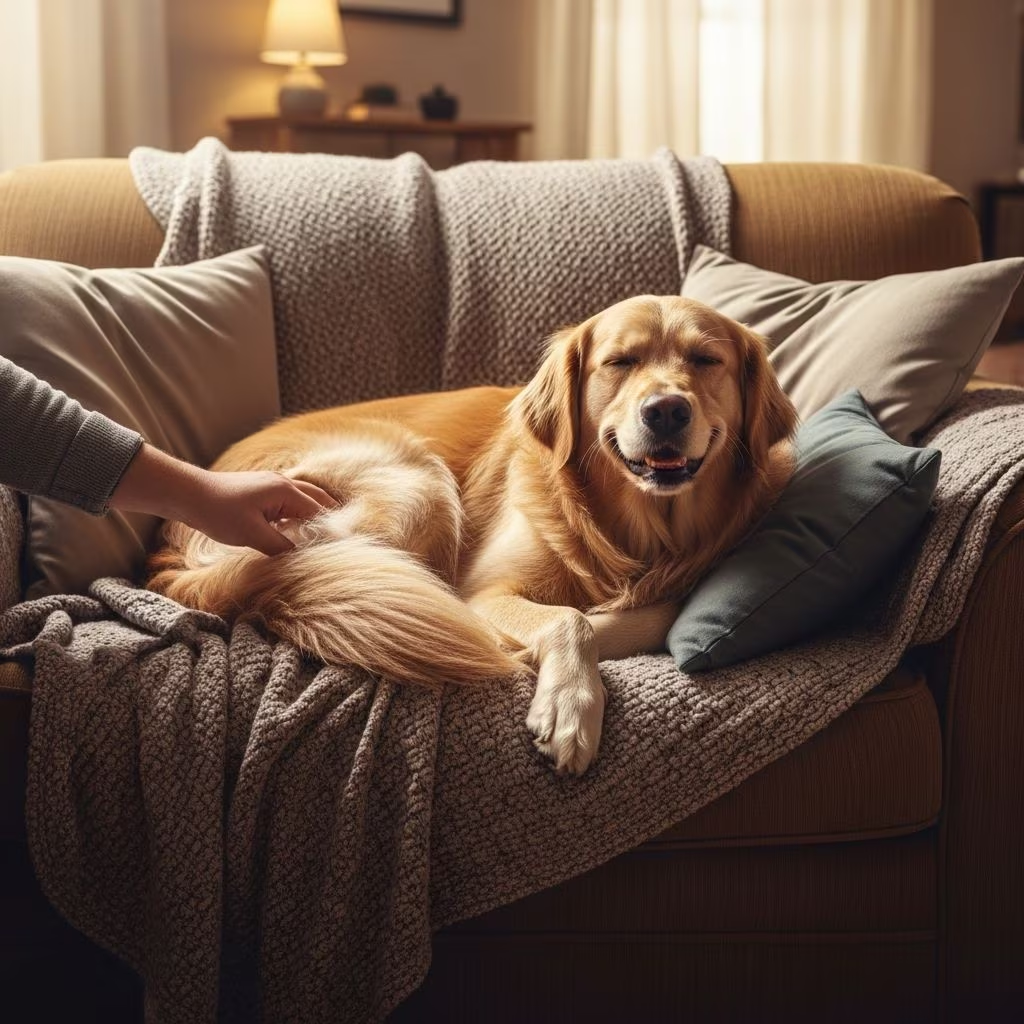
It’s a familiar scene: you rise from your cosy chair or couch, and before the imprint of your body has cooled, your dog dashes in to claim it. This cheeky behaviour frustrates many pet owners, but it’s rarely malicious. Dogs steal spots for instinctual, emotional, or practical reasons rooted in their pack animal heritage and strong bond with humans. Understanding these motivations helps foster better communication and prevent escalation into problematic habits.
This comprehensive guide explores the seven primary reasons behind this behaviour, drawing from canine psychology and veterinary insights. We’ll cover benign causes like seeking warmth or comfort, as well as potential red flags such as anxiety or dominance displays. By the end, you’ll have actionable strategies to redirect your dog’s impulses while strengthening your relationship.
The 7 Reasons Why Your Dog Steals Your Spot
Dogs exhibit this spot-stealing quirk across breeds and ages, but the triggers vary. Here’s a detailed breakdown of the most common explanations, supported by behavioural observations from experts.
1. Affection and Scent Comfort
The most heartwarming reason is pure adoration. Dogs crave proximity to their favourite humans, and when you’re not there, your spot—imbued with your scent—becomes the next best thing. Canines have an extraordinary sense of smell, up to 100,000 times more sensitive than ours, allowing them to ‘feel’ your presence through lingering odours on fabrics.
This is especially prevalent if you have a ‘throne’—that go-to seat on the sofa warmed by your body heat and marked by your aroma. Your dog isn’t displacing you; they’re immersing themselves in your essence for emotional reassurance. Puppies and highly bonded adults do this most frequently, turning your absence into a sensory hug.
- Signs it’s affection: Tail wags, relaxed posture, quick vacating when you return.
- Tip: Reinforce by petting them briefly in the spot before reclaiming it.
2. Seeking Warmth
Your body heat turns any seat into a toasty haven, particularly appealing in cooler homes or for short-haired breeds like Greyhounds or Whippets. Dogs are drawn to thermal comfort; studies show they prefer temperatures around 20-25°C (68-77°F) for optimal rest.
If your dog curls up immediately upon your departure, it’s likely chasing that residual warmth rather than challenging you. This instinct traces back to wild ancestors huddling for survival. Check if they avoid colder areas of the house—this confirms the pattern.
- Breeds prone to this: Thin-coated or small dogs like Chihuahuas, Italian Greyhounds.
- Solution: Provide heated pet beds or blankets elsewhere to compete with your spot.
3. Anxiety or Separation Distress
For anxious dogs, your spot is a security blanket. Separation anxiety affects up to 14% of dogs, per veterinary research, manifesting as clinginess to owner-scented items. When alone, they seek your aroma to self-soothe, reducing cortisol levels associated with stress.
Watch for pacing, whining, or destructive chewing alongside spot-stealing—these signal deeper issues. Rescue dogs or those with unstable histories are most susceptible.
| Symptom | Indication of Anxiety |
|---|---|
| Spot-stealing only when alone | Mild comfort-seeking |
| Combined with howling or destruction | Severe separation anxiety |
| Reluctance to leave spot | Heightened stress |
Management: Gradual desensitisation, pheromone diffusers, or vet-prescribed calming aids.
4. Attention-Seeking
Clever dogs learn that commandeering your seat elicits a reaction—your playful nudge or laughter reinforces it. This operant conditioning turns spot-stealing into a bid for interaction, especially if daily playtime lags.
If ignored elsewhere, they’ll amplify behaviours that previously ‘worked’. Boredom exacerbates this; high-energy breeds like Border Collies or Labs need 60-90 minutes of exercise daily.
- Prevent escalation: Ignore the theft, reward calm behaviour in their own bed.
- Daily routine boost: Puzzle toys, training sessions to fulfil mental needs.
5. Dominance or Resource Guarding
Rare but serious, true dominance involves asserting control over spaces or people, often with growling, stiff posture, or refusal to yield. Modern ethology debunks strict ‘alpha’ myths, but resource guarding—over food, toys, or spots—persists in some dogs.
Veterinary behaviourists note this in 20-30% of aggression cases. It’s not about pack leadership but protecting valued resources. Multi-dog homes or inconsistent boundaries heighten risks.
Red flags:
- Snarling when approached.
- Blocking access physically.
- Escalating to bites.
Urgent action: Consult a certified trainer; never punish, as it worsens aggression.
6. Curiosity and Investigation
Dogs are natural explorers with inquisitive minds. Your unwavering loyalty to one spot piques their interest: ‘Why this one?’ They hop in to sniff, paw, and assess, driven by neoteny—the playful puppy traits retained in domestic dogs.
This is harmless and common in smart breeds like German Shepherds. It often fades once the novelty wears off.
- Encourage positively: Redirect to novel toys or scent games.
7. Superior Comfort
Simply put, your spot might be the comfiest! Sunlit patches, optimal cushion sag, or prime TV views make it irresistible. Dogs prioritise ergonomics, much like us.
Infer they claim it even unsupervised via pet cams. Enhance alternatives: plush dog beds, window perches.
How to Stop Your Dog from Stealing Your Spot
Prevention beats reaction. Here’s a step-by-step plan:
- Claim your space: Use a ‘place’ command with a mat; reward staying.
- Block access: Pet gates or cushions during absences.
- Enrich environment: Rotate comfy beds, add blankets mimicking your scent.
- Exercise adequately: Tired dogs nap anywhere.
- Train consistently: Positive reinforcement over scolding.
For persistent issues, rule out medical causes like arthritis making other spots painful.
Frequently Asked Questions (FAQs)
Is spot-stealing a sign of dominance in all dogs?
No, it’s rarely dominance—usually affection or comfort. True dominance includes aggression; seek professional help if present.
My dog growls when I try to take my spot back—what now?
This indicates resource guarding. Contact a veterinary behaviourist immediately to avoid bites.
Why does my puppy do this more than my adult dog?
Puppies explore curiously and bond intensely; it often lessens with maturity and training.
Can I train my dog to stay in their own bed?
Yes! Use ‘place’ training with high-value treats; consistency yields results in weeks.
Does breed affect spot-stealing likelihood?
Velcro breeds like Labs steal more for affection; independent ones like Akitas less so.
Conclusion
Dog spot-stealing is mostly endearing, reflecting love, instinct, or opportunism. By decoding motives and applying targeted strategies, you create a balanced home where both you and your pup thrive. Observe context, prioritise enrichment, and consult pros for concerns—your bond will only strengthen.
References
- American Veterinary Medical Association (AVMA) – Canine Separation Anxiety Guidelines — AVMA. 2024-06-15. https://www.avma.org/resources-tools/pet-owners/petcare/separation-anxiety-dogs
- Journal of Veterinary Behavior – Resource Guarding in Dogs — Elsevier (Peer-reviewed). 2023-10-01. https://doi.org/10.1016/j.jveb.2023.09.002
- ASPCA – Understanding Dog Behaviour: Scent and Bonding — ASPCA. 2025-01-10. https://www.aspca.org/pet-care/dog-care/common-dog-behavior-issues
- RSPCA – Dominance Myths in Canine Training — RSPCA. 2024-03-20. https://www.rspca.org.uk/adviceandwelfare/pets/dogs/behaviour/dominance
- AKC Canine Health Foundation – Exercise Needs by Breed — AKC. 2024-11-05. https://www.akc.org/expert-advice/health/daily-exercise-needs-by-breed/



