

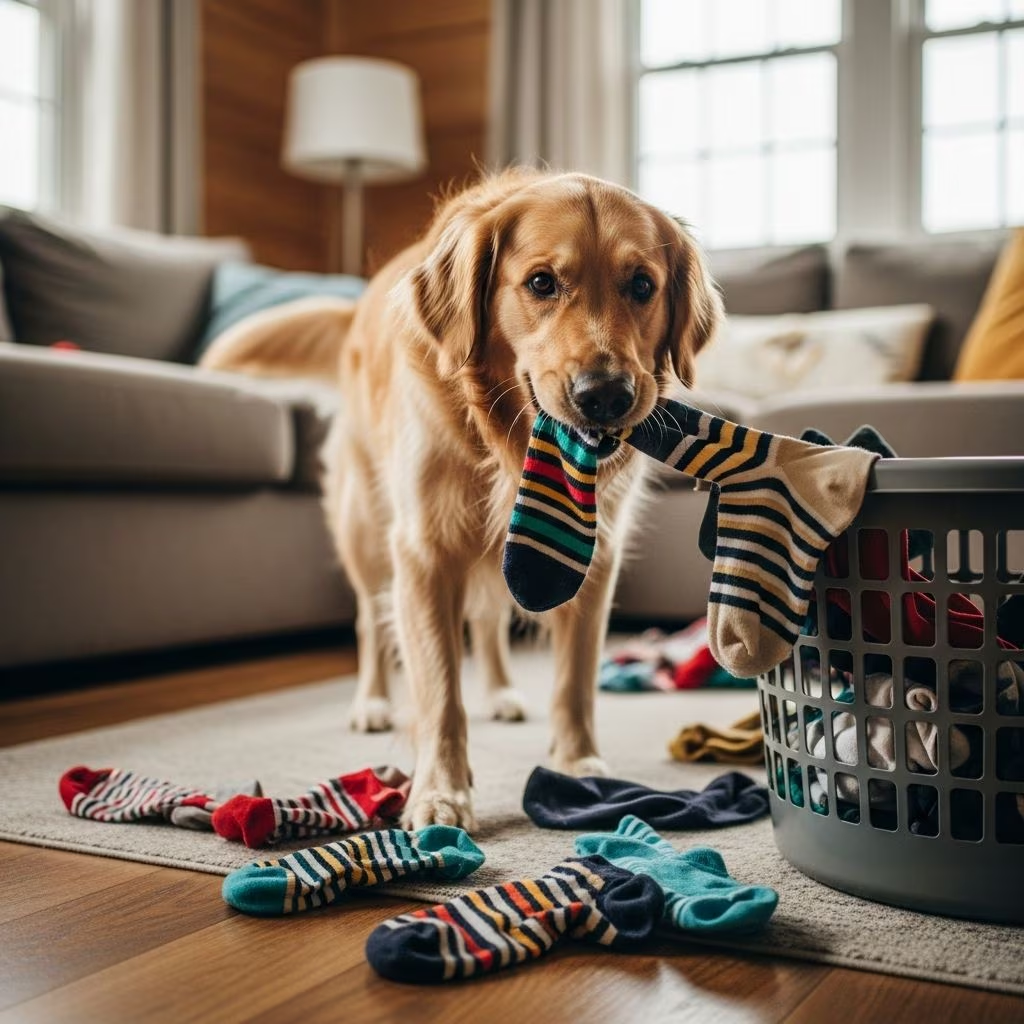
Dogs stealing socks is a classic, often frustrating behavior that nearly every pet owner encounters. Whether it’s a sneaky grab from the laundry basket or a playful snatch right off your foot, this habit can leave you sockless and puzzled. But there’s more to it than mere mischief—your dog’s actions stem from deep-rooted instincts, emotional needs, and environmental triggers. Understanding these motivations not only explains the ‘why’ but also empowers you to address it constructively, fostering a stronger bond with your furry friend.
In this comprehensive guide, we’ll dive into the primary reasons dogs steal socks, drawing from canine behavior insights. We’ll cover everything from attention-seeking antics to scent-driven comfort, boredom relief, instinctual drives, teething urges, and even possessiveness. Plus, you’ll find actionable prevention strategies, training tips, and answers to frequently asked questions. By the end, you’ll have the tools to safeguard your socks while ensuring your dog gets the stimulation and love they crave.
Reasons Why Dogs Steal Socks
Socks are prime targets for dogs due to their accessibility, soft texture, and potent human scent. But the motivations vary widely. Here’s a breakdown of the most common culprits:
1. Seeking Attention
One of the top reasons dogs steal socks is simple: they crave your focus. When your pup grabs a sock and bolts, they know it’ll spark a reaction—chasing, calling their name, or scolding. To a dog, any attention is good attention, turning this into an exhilarating game of chase. This behavior reinforces itself because your pursuit confirms the sock as a ticket to interaction, even if it’s negative from your perspective.
Puppies and high-energy breeds like Labradors or Border Collies are especially prone, as they learn quickly that sock theft equals playtime. If your dog only does this when you’re busy (e.g., on your phone or cooking), it’s a clear bid for engagement.
2. Comfort and Scent Attraction
Dogs possess an extraordinary sense of smell—up to 100,000 times more sensitive than humans—which makes your worn socks irresistible. Laden with your unique scent from sweat and skin cells, socks act as a comforting link to you, their beloved pack leader. Your dog might carry, chew, or nestle with the sock to self-soothe, particularly during alone time.
This is amplified in dogs with separation anxiety. The familiar aroma mimics your presence, reducing stress hormones like cortisol. Studies on canine olfaction highlight how scent objects provide emotional security, akin to a security blanket for humans. It’s not destruction for fun; it’s a heartfelt quest for closeness.
3. Boredom and Lack of Stimulation
Boredom turns curious dogs into sock bandits. Without adequate physical exercise, mental puzzles, or play, they improvise entertainment. A dangling sock from the hamper becomes a toy for tossing, hiding, or shredding. Understimulated dogs—those not getting daily walks, training sessions, or interactive toys—resort to household items for fun.
Signs include other destructive behaviors like digging or excessive barking. Breeds with high intelligence, such as Australian Shepherds, need more than a backyard romp; they thrive on scent games or puzzle feeders to channel their energy productively.
4. Instinctual Behavior
Deep in every dog’s DNA lies ancestral programming. Wild canines scavenged, hoarded food, and carried items for survival. Domestic dogs channel this into ‘hunt and hide’ instincts—stealing socks mimics retrieving prey or caching valuables for later. Retriever breeds like Golden Retrievers excel at carrying soft objects, viewing socks as perfect mouthing practice.
Burying socks in the yard? That’s resource preservation, a nod to their wolf heritage where excess was buried for lean times. This isn’t rebellion; it’s evolution at play.
5. Teething or Chewing Needs
Puppies teething between 3-6 months find relief in soft, chewy socks that massage sore gums. Adult dogs chew to alleviate stress, clean teeth, or simply enjoy the sensation. Without proper chew toys, socks fill the void—conveniently sized and textured like plush toys.
Provide frozen Kongs stuffed with peanut butter or durable nylon bones to redirect this urge safely.
6. Possessiveness and Resource Guarding
Some dogs steal socks to claim them as ‘mine.’ Resource guarding stems from survival instincts, where valued items are protected fiercely. A sock might become a treasured possession, triggering growls if you approach.
While mild guarding is normal, escalation to aggression warrants professional training. Early intervention with ‘drop it’ commands prevents issues.
How to Stop Your Dog from Stealing Socks
Prevention beats cure. Combine management, training, and enrichment for lasting results:
- Secure Laundry: Use closed hampers or high shelves. Make socks inaccessible to remove temptation.
- Provide Alternatives: Rotate chew toys mimicking sock texture (e.g., fabric-stuffed Kongs). Reward interaction with them.
- Increase Exercise: Aim for 30-60 minutes daily walks, plus mental games like hide-and-seek.
- Train Commands: Teach ‘leave it,’ ‘drop it,’ and ‘stay’ using positive reinforcement. Never chase—walk away to extinguish the game.
- Address Anxiety: For scent-seekers, leave a worn (unchewable) shirt in their crate. Consult a vet for severe cases.
- Enrich Environment: Puzzle toys, snuffle mats, and obedience classes combat boredom.
Consistency is key. Track patterns in a journal: When/where does it happen? Adjust accordingly. Professional trainers or behaviorists help with persistent cases.
Frequently Asked Questions (FAQs)
Is sock-stealing a sign of separation anxiety?
Yes, often. Dogs with anxiety steal scent-heavy items for comfort. Look for other signs like whining or destruction when alone. Calming aids or vet-prescribed options can help.
Why do some breeds steal more socks?
Retrievers and herding breeds have strong carrying instincts. High-energy types amplify attention-seeking.
What if my dog buries the socks?
It’s hoarding instinct. Rotate toys and supervise to discourage.
Will my puppy outgrow this?
Many do with training, but teething peaks demand intervention.
Should I punish sock theft?
No—punishment escalates anxiety. Use positive redirection instead.
Conclusion
Your dog’s sock-stealing spree reveals their needs: attention, comfort, play, or instinct fulfillment. By pinpointing the cause and implementing tailored strategies, you can redirect this behavior humanely. A stimulated, trained dog means fewer missing socks and more joyful companionship. Invest in their world, and they’ll reward you with loyalty beyond measure.
References
- Why Do Dogs Steal Socks? – Waggle Pet Monitor — Waggle. Accessed 2026. https://mywaggle.com/blogs/pet-behaviour/why-do-dogs-steal-socks
- Why Does My Dog Steal My Socks & Shoes? — Pupford. Accessed 2026. https://pupford.com/blogs/all/dog-steals-socks-shoes
- How to Stop Dogs From Stealing Things — K9 Place. Accessed 2026. https://k9splace.com/blog/behavior/how-to-stop-my-dog-from-stealing-things/
- Why does my dog steal things like socks and bury them? — Dogtopia. Accessed 2026. https://www.dogtopia.com/meet-the-experts/faq/why-does-my-dog-steal-things-like-socks-and-bury-them-in-the-backyard/
- Why Do Dogs Like Socks? — Pet Honesty. 2023. https://www.pethonesty.com/blogs/blog/why-do-dogs-like-socks



