

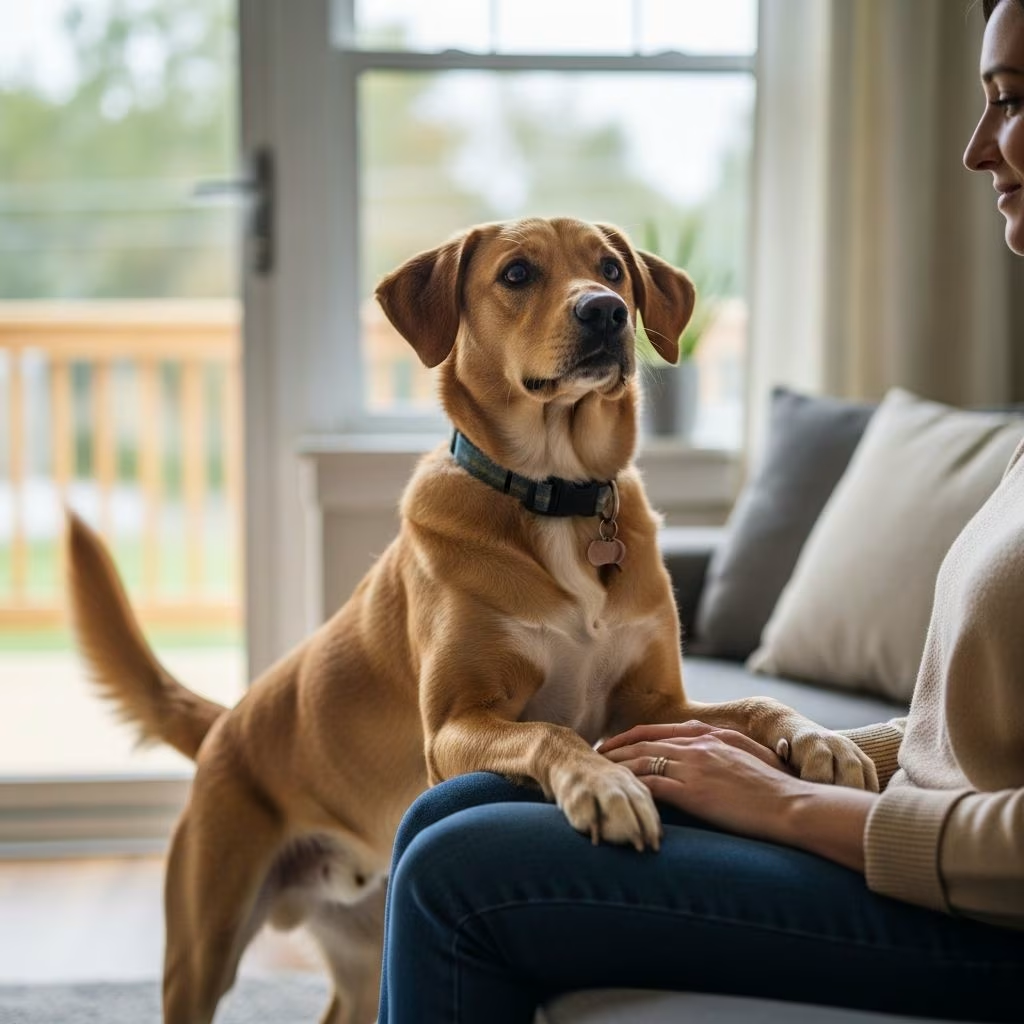
Dogs have unique ways of communicating their needs, emotions, and desires, and one common behavior many owners notice is their dog standing on them. Whether it’s a small pup perching on your lap or a larger breed planting their paws firmly on your chest, this action can be endearing, annoying, or even painful depending on the context. Dogs learn quickly that standing on you elicits a response—be it a pat, a laugh, or gentle redirection—which reinforces the habit. Understanding the root causes behind this behavior is key to addressing it appropriately and strengthening your bond with your furry companion.
In this comprehensive guide, we’ll explore **eight primary reasons** why dogs stand on their owners, drawing from veterinary and behavioral insights. We’ll also cover practical steps to manage unwanted standing, when it’s harmless (or even beneficial), and answers to frequently asked questions. By observing your dog’s body language, context, and patterns, you can decode their message and respond effectively.
Eight Reasons Why Your Dog is Standing on You
Dogs stand on people for a mix of instinctual, emotional, and learned reasons. Here’s a breakdown of the most common motivations:
They Are Seeking Attention
The most frequent culprit is **attention-seeking**. Dogs are social creatures who thrive on interaction, and standing on you guarantees a reaction. If every time your dog plants their paws on you, you respond with scratches, pets, or even a firm “off,” they’ve succeeded in getting your focus. Behaviorist Jenny Nilson notes that “even pushing your dog away counts as attention in their eyes, reinforcing the cycle.”
This behavior often escalates if your dog feels bored or neglected. For instance, a dog left alone during work hours might stand on you the moment you sit down, pawing insistently. Positive reinforcement plays a role here: if standing leads to treats, play, or meals, your dog will repeat it reliably. To curb this, ignore the standing completely and reward calm behavior instead, such as sitting politely nearby.
They Are Anxious
Anxiety triggers many dogs to seek physical closeness as a source of security. Triggers like thunderstorms, fireworks, new guests, or routine changes can make your dog stand on you for reassurance. “Dogs use owners as a secure base, much like children with parents,” explains Nilson, backed by studies on attachment in canines.
Look for signs of distress: flattened ears, tucked tail, panting, or trembling. Anxious dogs may stand rigidly, scanning the environment while pressing against you. General fear or specific phobias can prompt this “stand and monitor” posture, allowing them a better vantage point than lying down. Addressing the underlying anxiety through desensitization, calming aids, or vet consultation is essential.
They Love You
Physical affection is a hallmark of the human-dog bond. Standing on you can be a heartfelt expression of love, as dogs are pack-oriented animals that value proximity. This contact releases **oxytocin**, the “cuddle hormone,” in both you and your dog, fostering happiness and connection.
Velcro dogs—those who follow you everywhere—often stand on you to reinforce this bond. It’s especially common in breeds with strong attachment tendencies. While sweet, it can become overwhelming; teach boundaries to enjoy affection on your terms.
They Are Being Protective
Instinctual guardians like German Shepherds, Dobermans, or Rottweilers may stand on you to shield perceived threats. Dogs view owners as valuable resources, alongside food and toys, and position themselves to protect. This is more pronounced in breeds bred for guarding or those trained for protection work.
If your dog stands between you and strangers or stiffens during walks, it could be vigilance. Positive reinforcement for calm behavior around triggers helps channel this trait productively.
They Have Separation Anxiety
Up to 75% of U.S. dogs experience separation anxiety to some degree, manifesting as clinginess even when you’re home. Affected dogs shadow you relentlessly, standing on you to prevent perceived abandonment. Symptoms include pacing, whining, or distress if you’re briefly out of sight.
Treatment involves gradual alone-time training, puzzle toys, and possibly medication. Consult a vet to rule out medical issues mimicking anxiety.
They Are Showing Dominance
The myth of dogs “dominating” owners persists, but modern science debunks it. Early wolf studies were misapplied to pets; standing is rarely about alpha status.Instead, it’s driven by comfort or attention needs. Some sources claim territorial marking via paw scent glands, but this is anecdotal and not dominance-driven.
A confident dog might stand assertively, but it’s better interpreted as ownership or play. Avoid confrontational training, which can worsen issues.
They Are Being Playful
Play bows—with butt up, tail wagging, and open mouth—often precede standing as an invitation to romp. Energetic dogs stand on you to initiate fun, especially if under-exercised. Boredom cues like restlessness amplify this; they may paw or bark too.
Redirect to toys or walks. Daily exercise prevents excess energy from turning into nuisance behaviors.
Other Reasons: Health, Hunger, or Communication
Beyond the core eight, dogs might stand due to illness (pawing for comfort), hunger (standing by food bowls), or signaling needs like potty breaks. Scent-marking via paws claims you as “theirs,” common in possessive dogs. Always check for pain or changes signaling vet visits.
Bottom Line: Managing the Behavior
Dogs stand on people primarily for **attention, affection, reassurance, or play**. Reinforcing it with reactions perpetuates it, so consistency is key. Train alternatives: teach “place” or “sit” commands, rewarding compliance. Use positive methods—never punishment—to avoid fear.
| Reason | Signs | What to Do |
|---|---|---|
| Attention | Pawing, staring | Ignore, reward calm |
| Anxiety | Tail tuck, panting | Calm environment, vet check |
| Affection | Relaxed wag | Pet on your schedule |
| Protective | Stiff posture | Socialize, desensitize |
| Separation Anxiety | Shadowing, whining | Alone training, toys |
Frequently Asked Questions (FAQs)
Why does my dog stand on me?
Your dog stands on you for attention, anxiety relief, affection, playfulness, protection, or separation issues. Context and body language reveal the motive.
Is it OK for my dog to stand on me?
It’s fine if enjoyable and safe, especially for small dogs. For larger breeds or discomfort, train boundaries to prevent injury or escalation.
How do I stop my dog from standing on me?
Ignore the behavior, stand up to disengage, and reward four-on-the-floor. Consistency over weeks yields results; use leashes for training if needed.
Does standing on me mean my dog is dominant?
No—dominance is a debunked myth. It’s about connection or needs, not control.
When should I worry about this behavior?
If sudden, with lethargy, limping, or aggression, see a vet. Persistent anxiety warrants a behaviorist.
Observing your dog holistically—breed, age, routine—unlocks better communication. With patience, you can redirect standing into healthier interactions, enhancing your relationship.
References
- 8 Reasons Your Dog is Standing on You and What to Do About It — Kinship.com. 2023. https://www.kinship.com/dog-behavior/why-does-my-dog-stand-on-me
- Why Does My Dog Stand on Me? 12 Vet-Approved Reasons — Dogster.com (Veterinary reviewed). 2024. https://www.dogster.com/dog-training/why-does-my-dog-stand-on-me
- 10 Reasons Why Does My Dog Stand On Me — PawMaw.com. 2023. https://www.pawmaw.com/blog/why-does-my-dog-stand-on-me
- Why Do Dogs Try To Stand Over You — WagWalking.com (Veterinarian-authored). 2023. https://wagwalking.com/behavior/why-do-dogs-try-to-stand-over-you



