

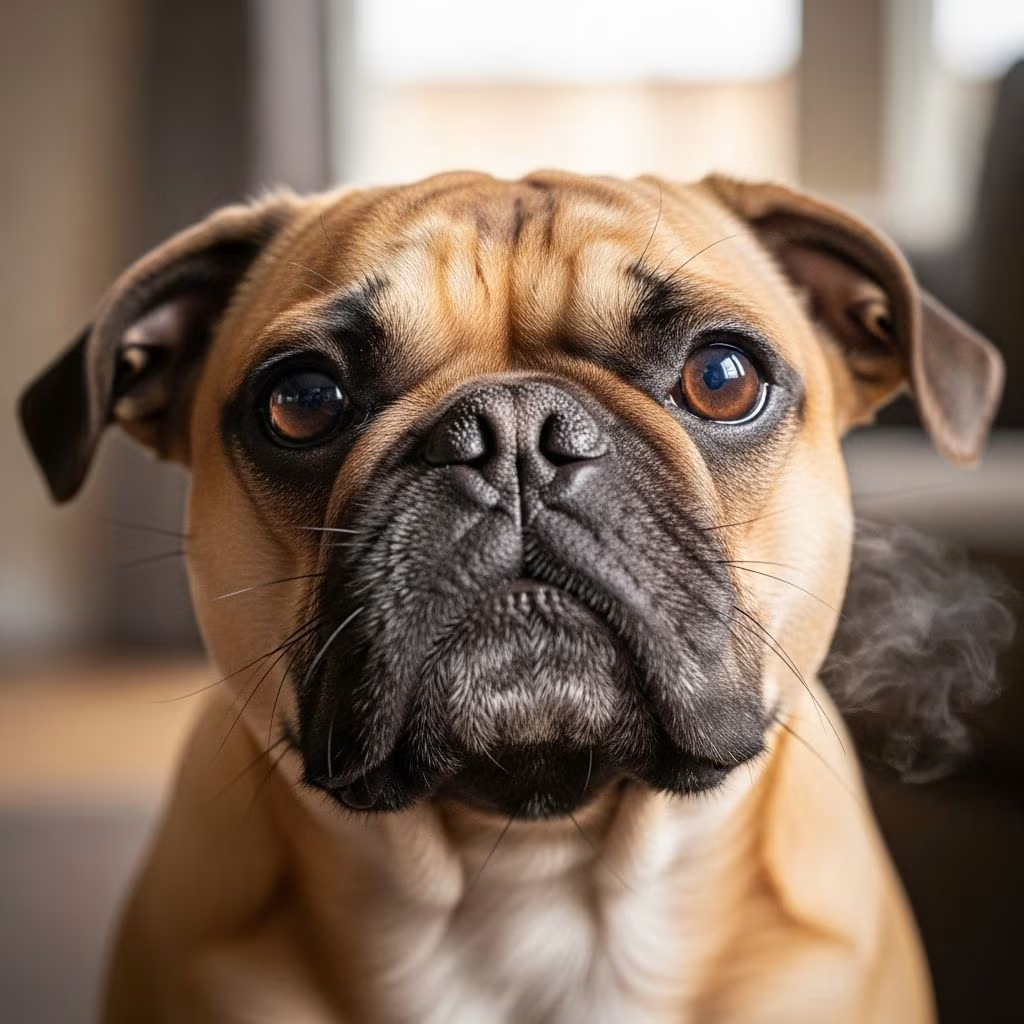
Your dog suddenly starts making pig-like snorting sounds, leaving you puzzled and concerned. This quirky noise, often described as a snort, can stem from benign behaviors or signal underlying issues. Understanding the causes helps you determine if it’s normal playfulness or a vet visit in order. Most cases are harmless, but vigilance is key for your pup’s well-being.
Most Common Reasons Why Your Dog Is Snorting Like a Pig
Dogs snort for various reasons, ranging from instinctual communication to physiological responses. Here’s a breakdown of the primary culprits behind that porcine sound.
1. Communication
Dogs use a rich repertoire of sounds and body language to express themselves. Snorting can serve as a form of communication, akin to a grunt or huff in humans. It might indicate excitement, frustration, or playfulness. For instance, during play sessions, a dog may snort to signal enthusiasm or to get your attention. This vocalization is more common in breeds with expressive personalities, helping them convey emotions without barking.
Observe context: If your dog snorts while wagging its tail and bowing in play pose, it’s likely just chatting in dog-speak. This behavior strengthens social bonds and is entirely normal.
2. Sniffing and Exploring
Dogs rely heavily on their sense of smell, which is up to 100,000 times more sensitive than humans’. When investigating scents, they snort as air rushes through their nostrils rapidly. This action dislodges particles for better olfactory analysis, especially with intriguing smells like other animals’ markers or food remnants.
You’ll notice this most during walks when your dog roots around bushes or pavement. The snorting intensifies with excitement over a potent odor, mimicking a pig’s rooting noise—hence the comparison. It’s a sign of a healthy, curious nose at work.
3. Reverse Sneezing
**Reverse sneezing**, or paroxysmal respiration, is one of the most frequent explanations for pig-like snorts. Unlike normal sneezing (expelling air), reverse sneezing involves rapid inhalations through the nose to clear irritants from the throat or soft palate. The dog extends its neck, stands rigidly, and makes honking or snorting sounds lasting 10-30 seconds.
This reflex spasm of the throat muscles temporarily narrows the trachea, creating the distinctive noise. Episodes end when the irritant clears or the dog swallows. Common in small breeds and brachycephalics like Pugs, it’s usually benign but startling for owners.
4. Allergies
Allergies cause nasal congestion, leading to snorting as dogs struggle to breathe freely. Environmental allergens like pollen, dust mites, mold, or grass trigger inflammation in nasal passages. Symptoms include watery eyes, itching, sneezing, and yes, snorting.
Seasonal changes exacerbate this; spring pollen or household dust can provoke episodes. Brachycephalic breeds are prone due to short airways. If snorting pairs with pawing at the face, allergies are likely. Antihistamines or allergen avoidance may help, but vet diagnosis is essential.
5. Respiratory Infection
Upper respiratory infections (kennel cough, viral/bacterial) congest sinuses and nasal passages, disrupting airflow and causing snorts. Accompanying signs: lethargy, fever, runny nose, coughing, and breathing difficulty.
Puppies, seniors, and unvaccinated dogs are vulnerable. Infections spread easily in boarding or dog parks. Snorting signals mucus buildup; prompt antibiotics or supportive care prevents complications like pneumonia.
6. Overweight or Obesity
Excess weight pressures airways, mimicking obstruction and prompting snorts, especially during exertion. Obese dogs pant heavily, snort to clear paths, and show fatigue. Brachycephalics and small breeds suffer most.
Weight management through diet and exercise reduces symptoms. Consult a vet for a tailored plan to improve breathing and overall health.
7. Foreign Object Inhalation
Tiny intruders like grass seeds, dirt, or foxtails lodge in nostrils, irritating tissues and causing persistent snorting. One-sided discharge or pawing indicates this.
If unresolved, infections develop. Vets use scopes or flushing to remove objects. Prevent by supervising outdoor play and trimming long grass.
8. Tumors
Rare but serious, nasal tumors disrupt smooth airflow, producing snorts, wheezes, bloody discharge, sneezing, and nose rubbing. More common in older dogs, often malignant.
Early imaging (X-rays, CT) and biopsy confirm diagnosis. Surgery, chemo, or radiation offers management, emphasizing urgency for better prognosis.
9. Collapsing Trachea
Predominant in small breeds like Yorkies and Pomeranians, collapsing trachea involves weakening cartilage rings that flatten during inhalation, causing honking coughs and snorts. Triggers: excitement, heat, pulling on collars.
Symptoms worsen with obesity or heart disease. Treatments include weight loss, harnesses, medications, or stents in severe cases.
10. Brachycephalic Airway Syndrome
Flat-faced breeds (Bulldogs, Frenchies) have compressed airways, elongated soft palates, and narrow nostrils, leading to chronic snorting and noisy breathing.
Surgery corrects anatomy; daily management involves cool environments and avoiding stressors.
Snorting vs. Reverse Sneezing: Key Differences
| Aspect | Snorting | Reverse Sneezing |
|---|---|---|
| Sound | Short, repetitive grunts | Honking inhalations |
| Posture | Relaxed | Neck extended, rigid |
| Duration | Brief, intermittent | 10-60 seconds |
| Triggers | Excitement, sniffing | Irritants, allergies |
Use this table to distinguish; video episodes for your vet.
What to Do When Your Dog Is Snorting Like a Pig
Stay calm during episodes. For reverse sneezing, gently massage the throat or cover nostrils briefly to prompt swallowing. Offer water post-episode.
- Monitor frequency and triggers.
- Use harnesses, not collars.
- Maintain ideal weight.
- Avoid smoke, strong scents.
- Keep vaccines current.
When Should You Be Concerned?
Seek vet care if snorting is frequent, with blue gums, collapse, blood, or breathing distress. Persistent cases warrant exams, scopes, or allergy tests.
Frequently Asked Questions (FAQs)
Q: Is reverse sneezing dangerous?
A: No, it’s typically harmless and self-resolves. Frequent episodes need vet evaluation for irritants.
Q: Why do small dogs snort more?
A: Narrow airways and collapsing trachea predispose them.
Q: Can allergies cause snorting?
A: Yes, congestion from pollen or dust triggers it.
Q: How to stop reverse sneezing?
A: Calm the dog, massage throat, or gently blow nose.
Q: When to see a vet for snorting?
A: If chronic, with discharge, lethargy, or breathing issues.
References
- Is Your Dog “Snorting”? What You Need to Know About Reverse Sneezing — West Loop Vet. 2023. https://westloopvet.com/blog/reverse-dog-sneezing/
- Understanding Reverse Sneeze in Dogs — Berkeley Dog & Cat Hospital. 2022-05-15. https://www.berkeleydogandcat.com/site/blog/2022/05/15/dog-reverse-sneeze
- Reverse Sneezing in Dogs – Paroxysmal Respiration — Pets Doctors of America. 2022-06-14. https://www.petdoctorsofamerica.com/site/blog/2022/06/14/reverse-sneeze
- Reverse Sneezing in Dogs: Causes, Treatment and When to Call the Vet — Clarion Animal Hospital. 2023. https://clarionanimalhospital.com/blog/reverse-sneezing-in-dogs/
- Why Does Your Dog Snort Like a Pig? — Kinship. 2023. https://www.kinship.com/dog-behavior/why-does-my-dog-snort-like-pig
- Reverse Sneezing in Dogs: Causes and What to Do — PetMD. 2023. https://www.petmd.com/dog/general-health/reverse-sneezing-in-dogs
- Reverse Sneeze in Dogs — VCA Animal Hospitals. 2023. https://vcahospitals.com/know-your-pet/reverse-sneeze-in-dogs



