

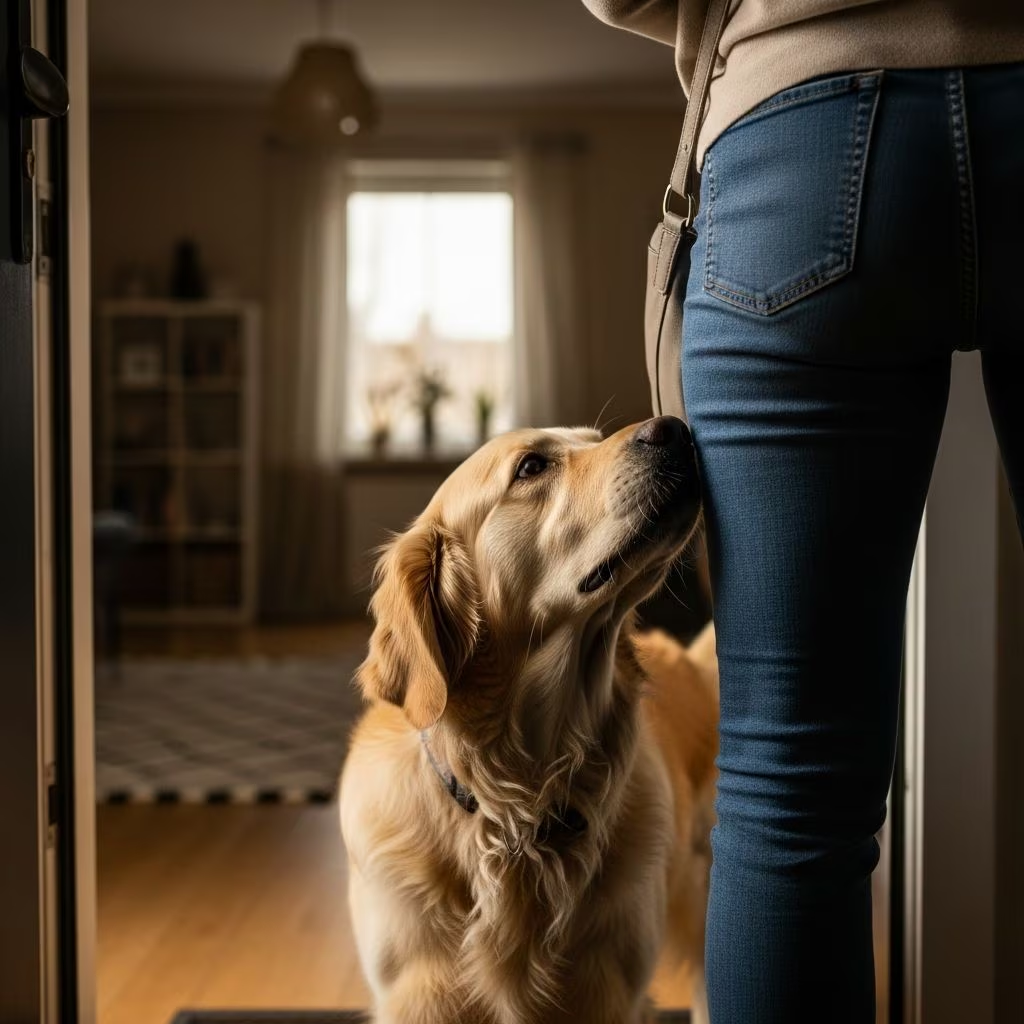
Your dog greets you with an enthusiastic sniff every time you walk through the door. This behaviour stems from their extraordinary sense of smell, which allows them to gather detailed information about your day, reconnect emotionally, and even anticipate rewards.
The Power of a Dog’s Nose
Dogs possess an incredibly powerful sense of smell, far superior to humans. Their noses contain up to 300 million olfactory receptors compared to our mere 6 million, enabling them to detect scents at concentrations 100,000 times lower than we can. This olfactory superpower turns every sniff into a data-gathering mission.
When you return home, your dog uses this ability to ‘read’ your experiences. Scents from parks, other dogs, food, or people cling to your clothes, shoes, and skin, creating a scent map of your absence. For instance, feet and shoes carry particularly rich odors because they accumulate smells from various environments throughout the day.
This sniffing isn’t random; it’s methodical. Dogs categorize smells into familiar categories like friend, foe, food, or threat, processing them through a specialized brain region called the olfactory bulb, which is 40 times larger than in humans relative to body size.
Gathering Intelligence on Your Day
One primary reason your dog sniffs you is to learn about your adventures. Every outing leaves a trail of scents: the coffee shop’s aroma, a colleague’s perfume, or grass from a park walk. Your pup deciphers these like a detective, piecing together where you’ve been and who you’ve met.
For example, if you’ve visited a restaurant or another home, your dog detects appealing food smells or other pets’ signatures. This curiosity satisfies their innate need to explore the world vicariously through you. Puppies sniff more intensely as they’re still learning scents, while adults refine their ‘sniffari’ for specifics.
- Outdoor adventures: Grass, dirt, and other animals signal walks or parks.
- Social encounters: Human perfumes, lotions, or pet smells from friends’ houses.
- Food traces: Restaurant aromas or grocery bags excite their palate.
Interestingly, dogs can even detect emotional states or health changes via scent. Studies suggest they sense stress hormones or illness markers, offering comfort by nuzzling closer.
Reconnecting and Reassuring Themselves
Beyond intelligence gathering, sniffing reaffirms your bond. Your unique scent is comforting, like a personal signature your dog craves during separation. After hours apart, they relish this ‘reunion sniff’ to confirm you’re safe and unchanged.
Research shows dogs experience separation anxiety, with heart rates spiking upon reunion from excitement. They spend much time waiting near doors, anticipating your return based on fading home scents. As your lingering odor weakens predictably, they sense your imminent arrival.
This behaviour mimics wild pack reunions, where sniffing reinforces social ties. Your dog misses your presence and uses scent to quell anxiety, much like humans hug for oxytocin release.
Checking for Treats and Rewards
Dogs are opportunists with excellent memories. If past greetings yielded treats, they’ll sniff pockets and hands expectantly. This conditioned response turns homecomings into treasure hunts.
Reinforce calm by ignoring jumps and rewarding sits. Over time, they learn greetings without frenzy lead to rewards, reducing chaos.
When Sniffing Becomes Excessive
While normal, obsessive sniffing can signal issues. Large dogs circling ankles risk trips, especially with groceries. Hysterical sniffing may indicate separation anxiety, worsened by isolation stress.
Signs of problems:
- Frantic pacing or whining before you leave.
- Destructive behaviour while alone.
- Over-the-top reunions lasting minutes.
Mitigate with exercise, puzzle toys, or dog walkers to ease alone time. Training helps: Teach ‘sit’ for greetings, rewarding calm. Consult vets for anxiety; medications or behaviourists aid severe cases.
How Dogs Predict Your Return
Dogs ‘smell’ your homecoming via fading scents. Your odour dissipates hourly, teaching them patterns: weak scent means arrival soon. Environmental cues like spouse’s cooking amplify this.
Studies confirm dogs distinguish absence lengths—more excitement after 2 hours vs. 30 minutes—via time-perceived scents.
Training Tips for Better Greetings
| Problem Behaviour | Solution | Expected Outcome |
|---|---|---|
| Jumping and circling | Turn away, ignore until calm, then reward sit | Polite, seated greetings |
| Treat-seeking frenzy | Place treats in kong post-greeting | Delayed rewards build patience |
| Anxiety-driven sniffing | Pre-departure exercise and toys | Relaxed alone time |
Consistency is key. Enrol in obedience classes for professional guidance.
Health Considerations Behind Sniffing
Sudden sniffing spikes might indicate health issues. Increased focus on groin or breath could signal cognitive dysfunction in seniors. Allergies or infections prompt investigative sniffs.
Conversely, reduced sniffing warns of nasal problems or depression. Monitor changes and vet-check as needed.
Fun Facts About Dog Sniffing
- Dogs have a vomeronasal organ for pheromones, aiding social/emotional reads.
- They categorize scents like humans group colours.
- Bloodhounds track scents days old over miles.
- Sniffing relieves stress, akin to human meditation.
Frequently Asked Questions (FAQs)
Q: Is it normal for my dog to sniff me everywhere when I get home?
A: Yes, it’s completely normal. Dogs use sniffing to gather info on your day and reconnect.
Q: Why does my dog sniff my feet and shoes specifically?
A: Feet accumulate the most diverse scents from walking various surfaces.
Q: How can I stop my dog from jumping while sniffing?
A: Ignore until all paws are down, then reward calm behaviour.
Q: Does excessive sniffing mean my dog is anxious?
A: It can, especially with other signs like whining. Consider professional help.
Q: Can dogs smell if I’m sick?
A: Evidence suggests they detect illness via scent changes.
Q: Why does my dog sniff the air before I enter?
A: They’re pinpointing your approaching scent; not always aggression.
Understanding your dog’s sniffing ritual deepens your bond. Embrace it as their unique ‘welcome home’ language, while training ensures safe, enjoyable reunions.
References
- Can My Dog Smell Me From Far Away? — Rover.com. 2023-05-15. https://www.rover.com/blog/dogs-can-smell-youre-leaving-make-easier/
- Why Do Dogs Smell You When You Come Home — WagWalking. 2024-02-10. https://wagwalking.com/behavior/why-do-dogs-smell-you-when-you-come-home
- Do Dogs Really Miss Us When We Leave the House? — YouTube (Swedish study summary). 2023-11-20. https://www.youtube.com/watch?v=Le4Xe5ouFd4
- Why Do Dogs Sniff Everything? — Wagsworth Manor Pet Resort. 2024-01-05. https://wagsworthmanor.com/why-do-dogs-sniff-everything/
- Sniffing the air like that is a bad sign — Best Dog Learning and Stuff. 2023-08-12. https://bestdoglearningandstuff.co.uk/sniffing-the-air-like-that-is-a-bad-sign
- Inappropriate dog sniffing — Vetwest. 2024-03-22. https://www.vetwest.com.au/pet-library/inappropriate-dog-sniffing-is-your-dog-sniffing-in-all-the-wrong-places/



