
Why Does My Dog Sniff Me So Much? 6 Key Reasons Explained
Discover the fascinating reasons behind your dog's constant sniffing behavior and what it reveals about their personality.
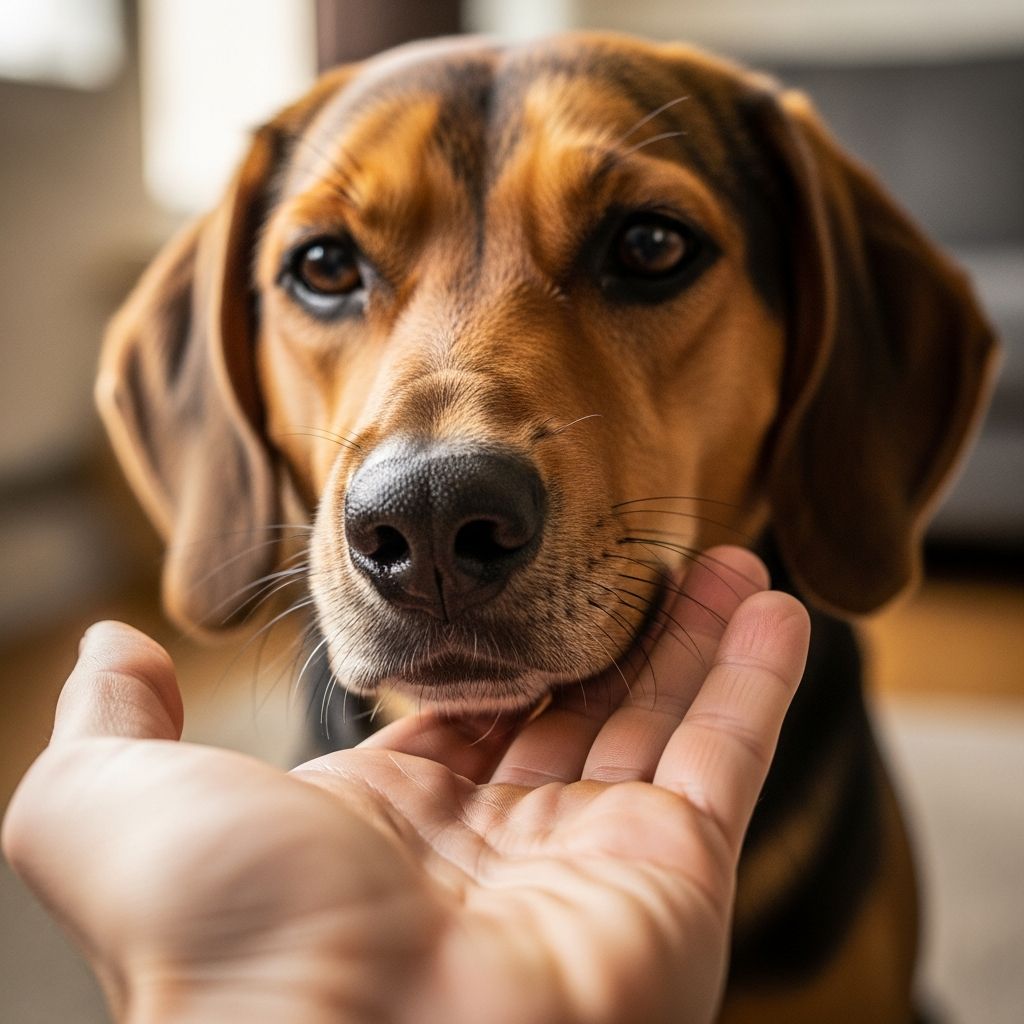
Why Does My Dog Sniff Me So Much?
If you’ve ever wondered why your dog seems obsessed with sniffing you, you’re not alone. Many dog owners find their pets constantly sniffing their hands, face, or clothing, sometimes to the point where it feels intrusive or unusual. But this behavior is completely normal and rooted in your dog’s fascinating biology and evolutionary instincts. Dogs experience the world through their sense of smell in ways we can barely comprehend, and sniffing is their primary way of gathering information, communicating, and understanding their environment—including the humans they share their lives with.
Your dog’s nose is an incredibly sophisticated sensory organ that contains up to 300 million olfactory receptors, compared to the mere 6 million humans possess. This remarkable difference means that dogs don’t just smell; they read the world in scent-based stories. When your dog sniffs you, they’re not simply saying hello—they’re conducting a thorough investigation into your identity, emotional state, recent activities, and overall well-being. Understanding what’s behind this sniffing behavior can deepen your relationship with your pet and give you insight into their personality and needs.
The Science Behind Your Dog’s Sense of Smell
To truly appreciate why your dog sniffs you so much, it’s important to understand just how powerful their sense of smell is. A dog’s olfactory abilities are so discriminating that, according to canine cognition specialists, a dog could detect a teaspoon of sugar in a million gallons of water. This extraordinary sense extends far beyond simply smelling pleasant or unpleasant odors; it allows dogs to perceive a complex world of information that remains completely invisible to humans.
When your dog sniffs you, they’re accessing detailed information about your day, your emotions, and even your health status. They can detect what you had for lunch hours ago, whether you’ve been in contact with other animals, where you’ve been, and what you’ve been doing. Some research suggests that dogs may even be able to detect changes in human physiology related to stress, illness, or other conditions through scent alone. This remarkable ability is why dogs are trained as service animals to alert people to medical emergencies, seizures, and blood sugar changes.
Your Dog Is Simply Saying Hello
One of the most straightforward reasons your dog sniffs you frequently is that they’re using this behavior as a greeting. When you come home from work, visit a friend’s house, or interact with your dog after spending time apart, sniffing is their way of saying hello and reconnecting with you. Instead of asking conventional questions like “How was your day?” or “Where have you been?” your dog uses their nose to gather all this information in seconds.
Dogs find some people more interesting than others from a scent standpoint. Your dog might be drawn to you specifically because you carry scents they find appealing or intriguing. This could be because you smell like other animals your dog loves, because you wear a particular perfume or cologne, or simply because your unique scent is familiar and comforting to them. Just as humans are drawn to certain people based on attractiveness or personality, dogs are drawn to certain people based on their scent profile.
When your dog sniffs you, they’re also maintaining and strengthening the bond between you. This olfactory greeting serves a similar function to how humans might hug or shake hands. It’s a way of acknowledging your presence and reestablishing your relationship. For dogs living in a scent-based world, this sniffing ritual is far more meaningful and information-rich than a simple verbal greeting would be.
Your Dog Is Reading Your Emotions
Dogs possess an remarkable ability to detect human emotions through scent. When you experience strong emotions—whether fear, anxiety, happiness, or stress—your body chemistry changes, and you release different pheromones and compounds through your skin and sweat. Your dog picks up on these chemical signals and can determine your emotional state with impressive accuracy.
If you’ve noticed that your dog sniffs you more intensely during times of stress or anxiety, you’re witnessing this emotional detection in action. Your dog might sniff your hands, your face, or your neck—areas where scent glands are concentrated and where your emotional markers are strongest. Some dogs have a particular knack for approaching the people who are most anxious or fearful in a room. This isn’t coincidence; the dog is reading the chemical signals that fear produces.
This emotional connection through scent is one reason why dogs are so effective as emotional support animals and therapy dogs. They can literally smell when their humans are distressed and respond accordingly. If your dog sniffs you more when you’re upset or worried, they’re not being annoying—they’re attempting to comfort you and show concern for your well-being.
Your Dog Is Gathering Information About Your Lifestyle
The scents clinging to your clothing and skin tell your dog a detailed story about your day and your lifestyle. If you’ve been to a friend’s house with pets, your dog can smell those animals on you. If you’ve stopped at a coffee shop, walked through a park, or visited a veterinary clinic, your dog knows. They can detect if you’ve handled food, what kind of food it was, and even how long ago you touched it.
This information-gathering serves an important purpose in your dog’s mind. By understanding where you’ve been and what you’ve been doing, your dog develops a more complete picture of their environment and social hierarchy. They learn which places are important to you, which animals are part of your world, and what activities occupy your time. This helps them feel more connected to you and more secure in their relationship with you.
Additionally, your dog might be sniffing you to detect any changes in your health or physical condition. Dogs have been known to alert their owners to medical conditions ranging from cancer to diabetes to heart problems—sometimes before medical tests detect these conditions. Your dog’s frequent sniffing of you could be their way of performing a health check, ensuring that nothing has changed with your physical well-being.
Your Dog Might Smell Food or Treats
Sometimes, the answer to why your dog sniffs you is much simpler: food. If you’ve recently eaten something your dog finds appealing, handled treats, or even just have food residue on your hands or clothing, your dog will definitely notice. Your dog’s sense of smell allows them to detect even trace amounts of food particles, and they’re motivated to investigate and potentially obtain these tasty morsels.
This is particularly common if you snack before coming home or if you work in an environment where food is present. Your dog might sniff your hands intensely because they detect the lingering scent of lunch you ate hours ago. While this behavior can sometimes be annoying—especially if your dog is trying to get at your food—it’s completely normal and rooted in your dog’s natural food-seeking instincts.
If you find this behavior problematic, one solution is to wash your hands or change your clothes when you come home before interacting with your dog. However, it’s important to recognize that your dog isn’t being misbehaved or rude; they’re simply responding to scents they find irresistible.
Understanding Scent Marking and Territory
When your dog sniffs you frequently, they’re also engaged in a form of scent communication related to territory and relationships. Dogs naturally mark their territory through urine, feces, and glandular secretions. When your dog sniffs you intensely, particularly around your hands and face, they may be gathering information to contribute to their own scent-marking behavior later.
In a multi-dog household, this sniffing behavior becomes even more significant. Your dog is checking your scent to understand your interactions with other dogs. They’re reading the information other dogs have left on you and incorporating this into their understanding of the household hierarchy and dynamics. This behavior helps dogs navigate complex social structures and establish their role within the pack.
Your dog might also be subtly marking you with their own scent through this sniffing process, claiming you as part of their territory and social group. This is a sign of affection and bonding, indicating that your dog considers you an important member of their family unit.
Stress, Anxiety, and Compulsive Sniffing
While normal sniffing is healthy and expected, it’s worth noting that excessive or compulsive sniffing can sometimes indicate stress, anxiety, or other behavioral issues. If your dog’s sniffing seems obsessive, happens at unusual times, or is accompanied by other signs of distress, it might be worth consulting with a veterinarian or professional dog trainer.
Dogs who are anxious or stressed may sniff excessively as a self-soothing behavior. Similar to how humans might fidget or pace when nervous, dogs might engage in repetitive sniffing to calm themselves. If you notice this pattern, examining your dog’s environment and routine for sources of stress is important. Changes in your home, schedule changes, or new environments can all trigger anxiety-related sniffing.
Additionally, if your dog has always been a normal sniffer but suddenly begins sniffing you excessively, this could indicate a medical issue worth investigating. Sometimes behavioral changes signal underlying health problems, so it’s best to have your veterinarian rule out any physical causes.
How to Respond to Your Dog’s Sniffing
Understanding why your dog sniffs you so much should help you respond more patiently and positively to this behavior. Rather than discouraging sniffing—which is a natural and important part of how your dog experiences the world—you can work with this behavior to strengthen your bond.
When your dog sniffs you as a greeting, acknowledge them warmly. Pet them, speak to them in a friendly tone, and let them know you’re happy to see them too. This reinforces the positive nature of the greeting ritual. If your dog’s sniffing is related to food, simply wash your hands or change your clothes to remove the tempting scents if the behavior is problematic.
You can also use sniffing to your advantage through activities like scent-based games and training. Hide treats around your home and let your dog use their nose to find them. This provides mental stimulation, exercise, and an outlet for their natural sniffing instincts. These “scent walks” and sniffing games are considered crucial for canine well-being and can help prevent behavioral problems.
Frequently Asked Questions
Q: Is it normal for my dog to sniff me constantly?
A: Yes, constant sniffing is completely normal dog behavior. Dogs use their sense of smell to gather information about their environment and the people around them. If the sniffing seems excessive or is accompanied by other behavioral changes, consult your veterinarian.
Q: What can I do if my dog’s sniffing bothers me?
A: You can redirect the behavior by offering alternative activities, teaching commands like “leave it,” or simply washing your hands to remove appealing scents. Remember that sniffing is a natural and important behavior for dogs.
Q: Can dogs really smell emotions?
A: Yes, research suggests that dogs can detect chemical changes in human sweat and other physiological responses related to emotions. This is why they often seem to know when you’re stressed, anxious, or upset.
Q: Does the breed of my dog affect how much they sniff?
A: Certain breeds, particularly scent hounds like Beagles and Bloodhounds, have been bred for superior sniffing abilities and may sniff more than other breeds. However, all dogs rely heavily on their sense of smell.
Q: What should I do if my dog sniffs only certain people?
A: This is normal behavior. Your dog may be attracted to particular scents on certain people, such as other pets, food, or specific perfumes. It could also indicate that your dog finds that person’s emotional state or body language interesting.
References
- Why Do Dogs Sniff Before They Poop? Surprising Reasons — Kinship. 2024. https://www.kinship.com/dog-behavior/why-do-dogs-sniff-before-pooping
- Inside of a Dog: What Dogs See, Smell, and Know — Alexandra Horowitz, Barnard College. 2009. (Reference to canine cognition research on olfactory discrimination)
- Why Does My Dog Sniff Only Certain People? — Vetstreet. https://www.vetstreet.com/our-pet-experts/why-does-my-dog-sniff-only-certain-people
- Why Does My Dog Sniff the Ground Before He Poops? — Vetstreet. https://www.vetstreet.com/our-pet-experts/why-does-my-dog-sniff-the-ground-before-he-poops
- Your Dog’s Sense of Smell & The Importance of Sniffing — Purina UK. 2024. https://www.purina.co.uk/articles/dogs/behaviour/understanding-dogs/dog-sense-of-smell
- Dog Sniffing Benefits: Why ‘Scent Walks’ Are So Important — PetMD. 2024. https://www.petmd.com/dog/behavior/importance-scent-walks-dogs
Similar Articles








Read full bio of medha deb




