

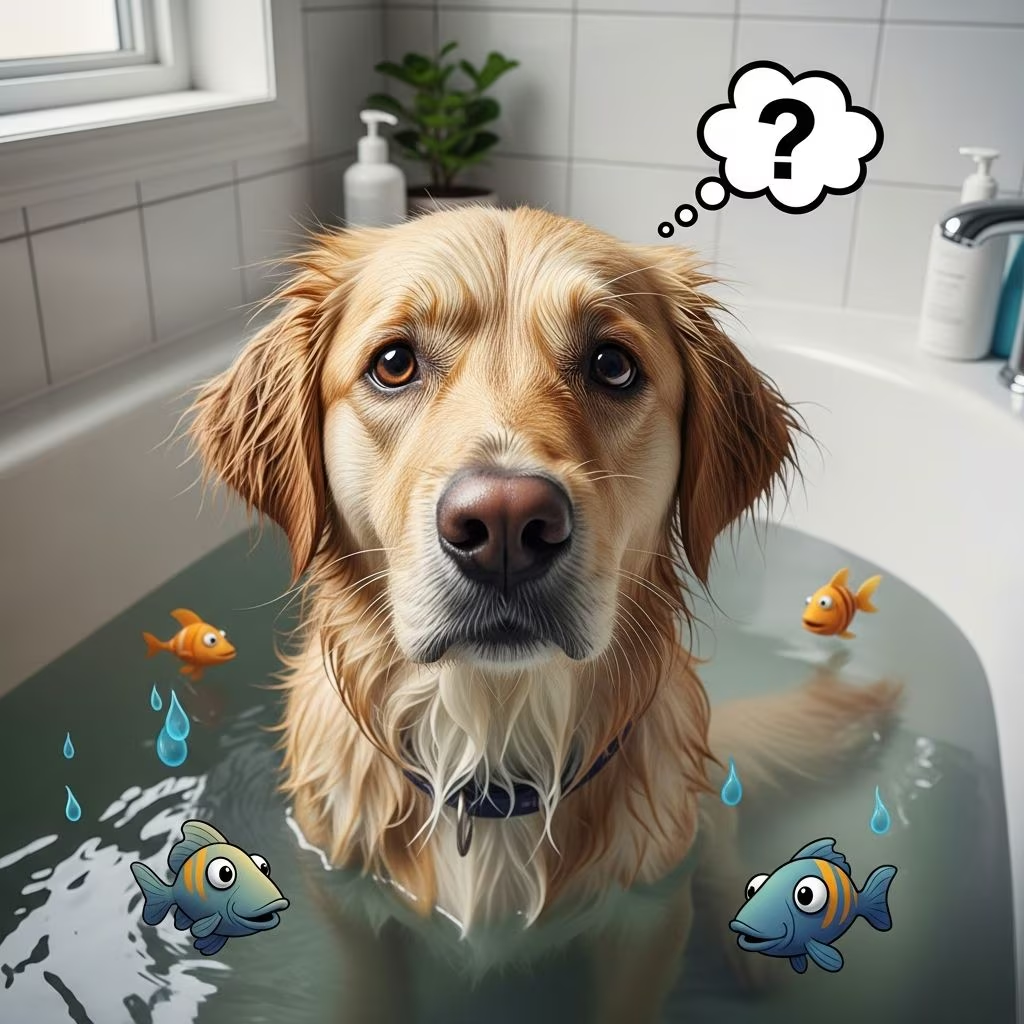
Your dog’s sudden fishy odor can be alarming and unpleasant, but it’s a common issue with identifiable causes. This distinctive smell often signals underlying health problems like impacted anal glands, infections, or dietary factors that require prompt attention to ensure your pet’s comfort and well-being.
Understanding the Fishy Odor: Common Causes
A fishy smell emanating from your dog isn’t just a quirky trait—it’s typically a symptom of specific health concerns. Pinpointing the source, whether from the rear, mouth, ears, or skin, is the first step toward resolution. Here’s a breakdown of the most frequent culprits based on veterinary insights.
Anal Gland Problems: The Top Culprit
Dogs possess two small anal sacs located on either side of the anus that naturally express a pungent, fishy secretion during bowel movements for territorial marking. When these glands become impacted, infected, or fail to empty properly, the odor intensifies and persists. Common signs include scooting the rear across floors or carpets, excessive licking or biting at the hindquarters, tail chasing, difficulty defecating, or visible swelling near the anus.
- Impaction: Buildup of thick secretions due to soft stools, dehydration, or narrow ducts prevents natural emptying.
- Infection or Abscess: Bacterial overgrowth leads to painful inflammation, pus discharge, and a stronger fishy stench.
- Tumors or Chronic Issues: Rare but serious, these may require surgical intervention.
Small breeds like Chihuahuas, Dachshunds, and Poodles are particularly prone due to anatomical factors.
Urinary Tract Infections (UTIs)
UTIs, often bacterial in origin, can produce a fishy urine odor that lingers on your dog’s coat or bedding. Female dogs are more susceptible due to shorter urethras, but males can also be affected. Watch for frequent urination attempts, straining, blood-tinged urine, accidents in the house, or discomfort while eliminating.
In unspayed females, related conditions like vaginitis (vaginal inflammation) or pyometra (uterine infection) may contribute to genital-area fishiness, demanding immediate veterinary care.
Dental and Oral Health Issues
Fishy breath often stems from periodontal disease, tooth root abscesses, or gum infections where bacteria produce volatile compounds mimicking fish. Diets heavy in fish oil supplements or treats can exacerbate this, but persistent odor without dietary explanation warrants a dental exam. Symptoms include drooling, pawing at the mouth, loose teeth, or tartar buildup.
Skin Infections and Allergies
Yeast overgrowth (Malassezia dermatitis), bacterial folliculitis, or allergic dermatitis can yield a musty-fishy smell, especially in skin folds, paws, or ears. Allergies to food, pollen, or fleas trigger greasy coats and secondary infections. Look for redness, itching, hair loss, or oily discharge.
Diet and Digestive Factors
High-fish diets, poor-quality foods, or maldigestion can alter body odor through gas, flatulence, or stool changes impacting anal glands indirectly. Food allergies may also play a role.
Ear Infections
Chronic otitis with yeast or bacteria often smells fishy alongside head shaking, pawing, discharge, or head tilt.
How to Identify the Source of the Smell
Play detective by gently inspecting your dog: Sniff near the mouth, ears, paws, genitals, rear, and skin folds. Note accompanying behaviors like scooting (anal glands), frequent urination (UTI), or head shaking (ears). A whole-body bath won’t resolve the issue if the root cause persists—professional diagnosis is key.
Treatment Options: What to Do Next
Effective treatment targets the underlying cause. While home care offers temporary relief, veterinary intervention is essential for lasting results.
Veterinary Diagnosis and Care
Expect a physical exam, possibly including anal gland expression, urine analysis, skin scrapes, cytology, or imaging. Treatments vary:
| Condition | Treatment |
|---|---|
| Anal Glands | Manual expression, antibiotics/flushing for infection, high-fiber diet, probiotics, or surgery for tumors. |
| UTIs | Antibiotics based on culture, increased water intake. |
| Dental | Professional cleaning, extractions, antibiotics. |
| Skin/Yeast | Medicated shampoos (antifungal/antibacterial), topicals, allergy testing/diet trials. |
Home Remedies for Temporary Relief
While awaiting your vet visit:
- Bathe with vet-recommended anti-yeast/bacterial shampoo (e.g., chlorhexidine or miconazole-based); avoid overbathing to preserve skin oils.
- Brush teeth daily with enzymatic toothpaste and offer dental chews.
- Wipe anal/genital areas with pet-safe medicated wipes.
- Boost fiber (pumpkin puree, 1-2 tsp/day) and probiotics for gland health.
- Ensure constant fresh water.
Never attempt home anal gland expression without training, as it risks injury.
Prevention Strategies for a Fresh-Smelling Dog
Proactive care minimizes recurrence:
- Regular Vet Checkups: Annual exams catch issues early.
- Diet Optimization: High-quality, high-fiber food (25-30g/day for adults); consider vet-formulated for allergies/skin health.
- Grooming Routine: Weekly baths, ear cleaning, nail trims, dental hygiene.
- Exercise and Hydration: Promotes firm stools for natural gland expression.
- Weight Management: Obesity hinders gland emptying.
- Spaying/Neutering: Reduces certain infection risks.
When to See a Vet Urgently
Seek immediate care if your dog shows lethargy, fever, bloody discharge, severe pain, swelling/abscess, or persistent symptoms despite home care. These signal serious conditions like gland rupture or systemic infection.
Frequently Asked Questions (FAQs)
Is a fishy smell from my dog’s breath dangerous?
Yes, it may indicate dental disease or kidney issues; schedule a vet dental exam promptly.
Can I express my dog’s anal glands at home?
Only if trained by a vet; improper technique causes harm. Most owners should leave it to professionals.
How often should anal glands be checked?
Depends on the dog—every 4-6 weeks for prone breeds during grooming/vet visits.
Will diet alone fix the fishy smell?
It helps prevention but not acute infections; combine with vet care.
What if my dog smells fishy after eating fish food?
Switch proteins and monitor; persistent odor suggests other causes.
References
- When Your Dog Smells like Fish: Causes, Solutions, and Prevention — Montgomery Veterinary Associates. 2023. https://mvavets.com/blog/dog-smells-like-fish/
- Why Do My Dogs Smell Like Fish? — PetMD. 2024-01-15. https://www.petmd.com/dog/general-health/why-do-my-dogs-smell-like-fish
- Why Does My Dog Smell Fishy? Understanding the Causes — Berthoud Animal Hospital. 2023. https://berthoudanimalhospital.com/blog/dog-smells-fishy/
- Why Does My Dog Smell Like Fish — Laurel Veterinary Clinic. 2024. https://laurelpets.com/blog/why-does-my-dog-smell-like-fish/
- Why Does My Dog Smell Like Fish in Oak Park, IL? — Companion Animal Hospital. 2023. https://companionop.com/blog/why-does-my-dog-smell-like-fish-in-oak-park-il/



