

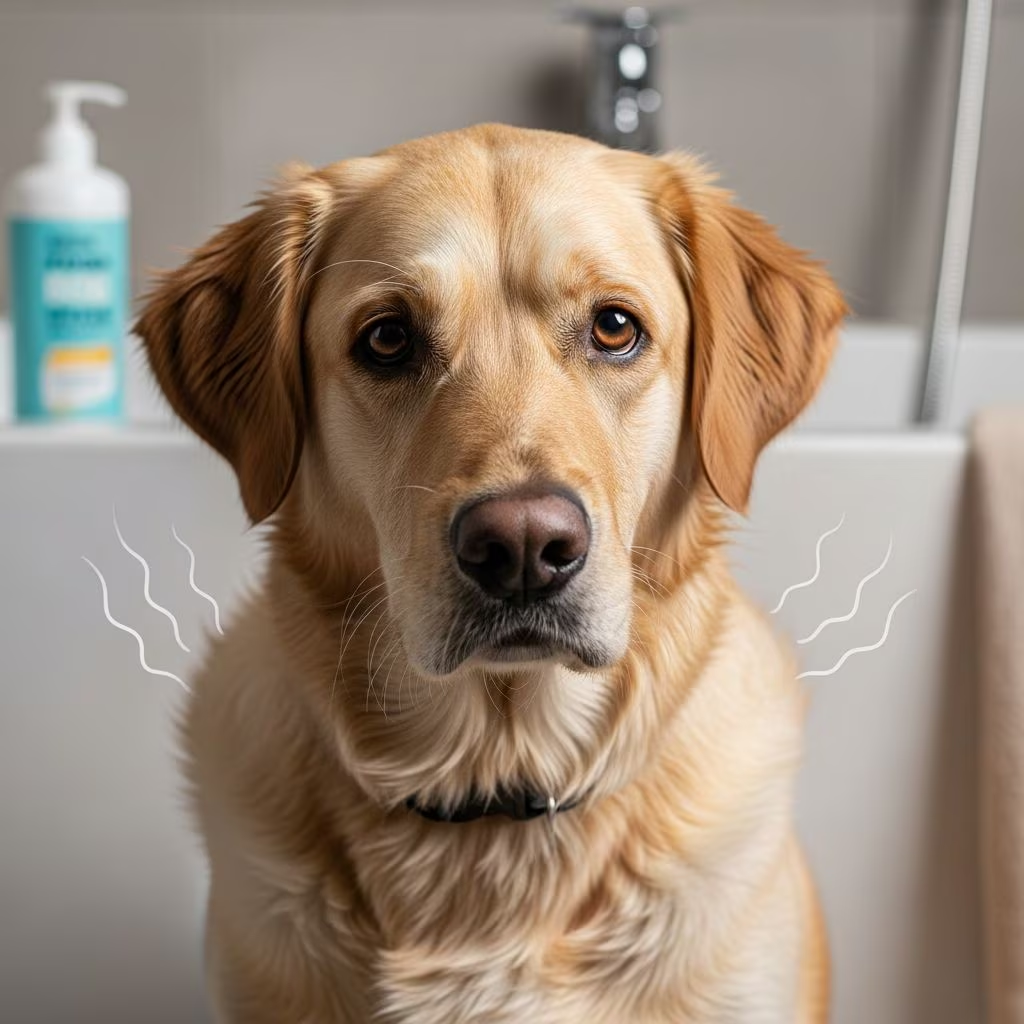
Persistent unpleasant odors from your dog can stem from various sources, ranging from everyday hygiene lapses to underlying health concerns. Addressing these issues promptly improves your pet’s comfort and your home environment. This guide explores diagnostic steps, preventive measures, and detailed care routines based on veterinary recommendations.
Common Culprits Behind Persistent Dog Odors
Dogs develop smells due to natural oils, environmental exposure, or medical conditions. Identifying the source is the first step to resolution.
- Skin and Coat Buildup: Excess oil, dirt, and dead skin accumulate, especially in breeds with dense fur.
- Ear Infections: Moist environments foster yeast or bacterial growth, producing a yeasty or foul scent.
- Dental Problems: Plaque and tartar lead to bad breath that permeates the entire body odor.
- Anal Glands: Impacted glands release a fishy smell when not expressed properly.
- Dietary Factors: Poor nutrition can alter skin secretions, intensifying odors.
Observe patterns: Does the smell worsen after playtime, or is it constant? Location-specific odors, like paws or rear, point to targeted issues.
Essential Daily Grooming Habits for Odor Control
Incorporate these routines to maintain freshness without overdoing it, as excessive washing strips protective oils.
Brushing Routines Tailored to Coat Type
Regular brushing removes debris and distributes natural oils. Short-haired dogs benefit from weekly sessions with a rubber curry brush, while long-haired breeds need daily combing to prevent mats.
- Use slicker brushes for medium coats to detangle without pulling.
- Opt for undercoat rakes on double-coated dogs like Huskies to eliminate loose fur.
- Check skin during brushing for redness, flakes, or parasites.
Nail Trimming and Paw Maintenance
Overgrown nails cause awkward gait, leading to dirt trapping in paws. Trim every 3-4 weeks, avoiding the quick—the pink inner vein.
| Coat Type | Brush Recommendation | Frequency |
|---|---|---|
| Short Hair | Rubber Curry | Weekly |
| Long Hair | Wide-Tooth Comb | Daily |
| Double Coat | Undercoat Rake | 2-3 Times/Week |
Clean paws post-walks with a damp cloth, focusing on toe webbing where bacteria thrive.
Mastering the Art of Dog Bathing
Bathing frequency varies: every 4-6 weeks for most, more for active outdoor dogs. Use lukewarm water and dog-specific, pH-balanced shampoos to avoid dryness.
Step-by-Step Bathing Guide
- Brush thoroughly before wetting to loosen dirt.
- Wet coat from neck down, avoiding head initially.
- Apply shampoo, massaging into a lather from chest outward.
- Rinse completely—residue causes itchiness and smells.
- Use a conditioner for tangled coats, then towel-dry vigorously.
For head cleaning, use a damp washcloth to gently wipe face, steering clear of eyes and ears. Apply vet-recommended eye lubricant if needed for protection.
Drying Techniques to Prevent Moisture Issues
Thorough drying is crucial, especially in skin folds or paw pads. Air-dry in a warm space or use low-heat blow dryers, keeping distance from skin.
- For puppies, introduce dryers gradually with cool settings.
- Wrinkle breeds like Pugs need fold drying to avert infections.
Tackling Hidden Odor Sources: Ears, Teeth, and Glands
Ear Cleaning Protocols
Weekly checks prevent infections. Use a vet-approved solution on cotton balls—never swabs deep into canals.
- Signs of trouble: head shaking, odor, dark discharge.
- Dry ears post-bath with flushing solutions.
Oral Hygiene Essentials
Brush teeth 3+ times weekly with enzymatic dog toothpaste. Dental chews reduce plaque buildup, preventing systemic odors.
Anal Sac Management
Express glands every 4-6 weeks or as vet advises. Diet with fiber aids natural expression.
Environmental and Accessory Hygiene
Your dog’s surroundings contribute significantly to odors. Weekly bedding washes with enzymatic cleaners eliminate allergens and bacteria.
- Wash collars/leashes monthly—dirty ones cause neck hot spots.
- Vacuum floors with HEPA filters; steam clean carpets biannually.
- Spot-clean accidents with enzyme treatments.
Diet and Health Checks for Long-Term Freshness
High-quality, protein-rich food supports skin health. Omega-3 supplements reduce inflammation and odors. Consult vets for allergies manifesting as smells.
Schedule checkups: Skin scrapes detect mites; bloodwork rules out metabolic issues.
Breed-Specific Odor Challenges and Solutions
| Breed Group | Common Issue | Solution |
|---|---|---|
| Water Dogs (Labs) | Wet dog smell | Chlorophyll treats, thorough drying |
| Wrinkle Faces (Pugs) | Fold bacteria | Daily fold wipes |
| Heavy Shedders (Huskies) | Trapped debris | Deshedding tools |
FAQs: Dog Odor Troubleshooting
How often should I bathe my dog?
Every 3 months minimum, more for oily coats or outdoor lifestyles, per ASPCA guidelines.
What shampoo is best for smelly dogs?
Hypoallergenic, medicated if vet-prescribed for infections.
Can diet cause dog smells?
Yes, low-quality foods lead to greasy coats; switch to premium formulas.
When to see a vet for odors?
If smell persists post-grooming, accompanies scratching, or localizes to ears/rectum.
Are human shampoos safe?
No—pH mismatch dries skin, worsening smells.
Advanced Tips for Odor-Free Living
Probiotics balance gut flora, minimizing gas odors. Air purifiers with pet filters capture dander. Train scent games to engage noses naturally.
For multi-dog homes, rotate bedding to prevent cross-contamination. Seasonal adjustments: more baths in summer, focus on drying in winter.
References
- Dog Bathing & Hygiene: Essential Care for Your Canine Companion — Love Vet. Accessed 2026. https://love.vet/dog-bathing-hygiene-dog-bathing-hygiene-for-optimal-health/
- 4 Essential Dog Hygiene Tips for Pet Owners — FitBark. Accessed 2026. https://www.fitbark.com/blog/4-essential-dog-hygiene-tips-for-pet-owners/
- Dog Grooming Tips — ASPCA. Accessed 2026. https://www.aspca.org/pet-care/dog-care/dog-grooming-tips
- Grooming and hygiene tips for your new puppy — Royal Canin. Accessed 2026. https://www.royalcanin.com/us/dogs/puppy/grooming-and-hygiene-tips-for-your-new-puppy
- Guide To Dog Cleaning And Grooming — RSPCA Pet Insurance. Accessed 2026. https://www.rspcapetinsurance.org.au/pet-care/dog-care/dog-grooming-guide
- 10 Pet Hygiene Tips You Should Be Following — PetMD. Accessed 2026. https://www.petmd.com/dog/slideshows/10-pet-hygiene-tips-you-should-be-following



