

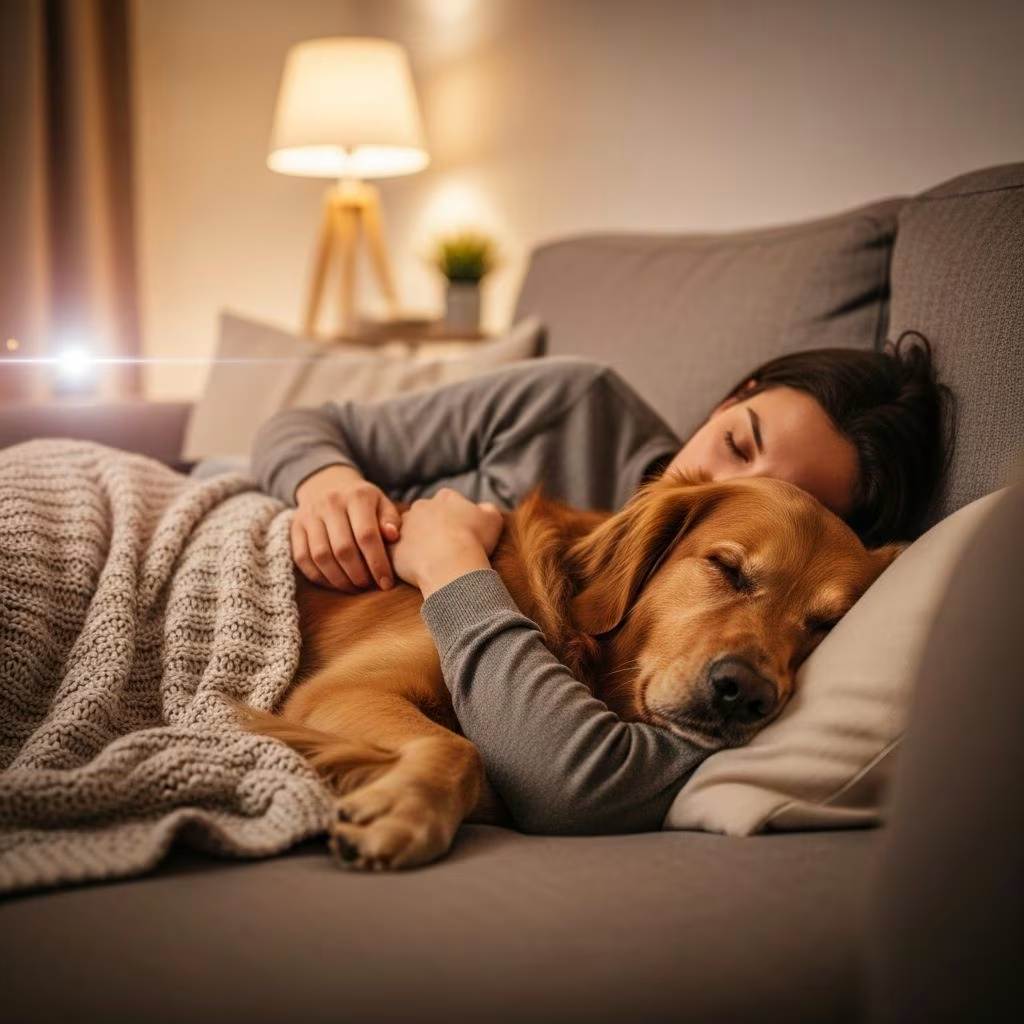
Your dog curling up against you at bedtime is more than just a quest for warmth—it’s a profound expression of instinct, trust, and love. This behavior stems from their wild ancestors’ pack dynamics, where sleeping close provided safety and security. Modern dogs view you as their pack leader, seeking the same comfort and protection through physical closeness during vulnerable sleep hours.
The Instinctual Reasons Your Dog Sleeps Against You
Dogs are descendants of wolves, who sleep huddled together in dens for warmth, protection from predators, and mutual vigilance. This **pack mentality** persists in domestic dogs, making you the center of their pack. When your dog presses against you, they’re instinctively ensuring the group’s safety, with your presence offering the security they crave during sleep—a time of high vulnerability.
Beyond survival, this closeness signifies deep **trust and affection**. Dogs are defenseless while asleep, so choosing to sleep against you means they feel completely safe in your care. It’s their way of saying, “I love you and rely on you”. Studies on canine behavior confirm that physical proximity during rest strengthens emotional bonds, mimicking how puppies pile together for reassurance.
Key Signs Your Dog Trusts You Completely
- Relaxed body language, like side-sleeping or belly exposure, indicating safety.
- Direct eye contact during the day and calm demeanor when you leave.
- Responding well to training and showing confidence around you.
This bonding isn’t one-sided. Sleeping against you fosters **oxytocin release**—the ‘love hormone’—in both dogs and humans, enhancing your mutual attachment and emotional well-being. Your dog also positions themselves as your protector, ready to spring into action if needed, turning bedtime into a shared guardianship ritual.
Common Dog Sleeping Positions and What They Mean
Dogs communicate volumes through how they sleep. Understanding these positions helps decode their comfort level and feelings toward you.
| Position | Description | Meaning |
|---|---|---|
| Side Sleeper | Lying flat on their side, legs extended | Feels safe, relaxed, and at ease in the environment. |
| Donut (Curled Up) | Tightly curled into a ball | Conserving heat, self-protecting vital organs, or feeling chilly. |
| Superman | On belly with legs stretched forward | Tired but poised for play; high energy even in rest. |
| Lion’s Pose | Sitting with paws tucked under, head up | Resting but alert and ready to act. |
| Bum Facing You | Backside toward you, nose away | Ultimate trust—vulnerable rear exposed; also protects you by scanning the room. |
| Burrower | Under blankets or against you | Seeking maximum security, warmth, and comfort. |
If your dog favors positions exposing their belly or facing away (bum toward you), it’s a clear vote of confidence. They wouldn’t show vulnerable areas unless they trust you implicitly. However, consistent donut curling might signal discomfort from cold or stress.
The Health Benefits of Dogs Sleeping Against You
Far from mere habit, these cuddles offer tangible perks. For dog owners, the rhythmic breathing acts as a natural sleep aid, promoting deeper rest and reducing insomnia. Physical contact lowers cortisol (stress hormone) and blood pressure, providing emotional support akin to therapy.
- Improved Sleep Quality: Studies show co-sleeping with pets enhances REM cycles for humans.
- Lower Blood Pressure: Petting and closeness release endorphins, benefiting heart health.
- Reduced Anxiety: Dogs sense and mirror your calm, easing mutual stress.
- Stronger Immune Response: Oxytocin boosts from bonding supports overall wellness.
For dogs, your body heat provides coziness, especially in cooler months, while the security combats loneliness. Puppies particularly thrive on this, accelerating emotional development through constant reassurance.
When Cuddling Signals a Problem: Separation Anxiety and Resource Guarding
Not all snuggles are purely affectionate. Excessive clinging, especially at night, can indicate **separation anxiety**—a condition affecting up to 20% of dogs, per veterinary reports. Symptoms include shadowing you everywhere, whining when alone, and desperate bedtime pressing. This stems from fear of abandonment, amplified in rescues or during routine changes.
**Resource guarding** is another red flag. If your dog growls, snaps, or stiffens when you move during sleep, they may view you as ‘theirs’ to protect from perceived threats. This possessive behavior requires gentle intervention to prevent escalation.
Signs of Separation Anxiety
- Panicked following and refusal to be alone, even briefly.
- Destructive chewing or pacing when you’re out of sight.
- Excessive barking, drooling, or trembling at bedtime separation.
How to Address Problematic Cuddling
- Gradual Alone Time: Start with short separations, rewarding calm behavior.
- Comfort Items: Provide a worn shirt for your scent in their bed.
- Exercise Routine: Daily vigorous activity tires them mentally and physically.
- Professional Help: Consult a vet for anxiety meds or behaviorist if severe.
- Consistent Bedtime: Establish a routine to build security.
Early intervention prevents worsening; most cases improve with positive reinforcement.
Tips for Encouraging Healthy Sleeping Habits
To balance bonding with independence:
- Create a cozy, dedicated dog bed in your room—proximity satisfies instincts without bed-sharing.
- Maintain a pre-bed routine: walk, play, then settle.
- Use calming aids like pheromone diffusers if anxiety lurks.
- Avoid reinforcing clinginess by always allowing bed access.
For hot sleepers, cooling mats prevent overheating in cuddle positions.
Frequently Asked Questions (FAQs)
Is it okay for my dog to sleep against me every night?
Yes, if both are comfortable and no allergies/snoring issues arise. It boosts bonding but ensure your dog can self-soothe too.
Why does my dog sleep with their bum facing me?
This shows peak trust—exposing the vulnerable rear while positioning to guard you. It’s common and affectionate.
What if my dog suddenly wants to sleep closer?
Check for changes like stress, illness, or cold weather. Monitor for anxiety signs and consult a vet if persistent.
Does sleeping with my dog affect my sleep?
It can improve it via comfort but may disrupt if they move a lot. Experiment with boundaries for best rest.
Can puppies sleep against me?
Absolutely—it’s vital for security. Transition to their bed as they grow, around 12 weeks.
Embracing your dog’s sleep cuddles deepens your relationship, revealing their unwavering loyalty. By understanding these behaviors, you nurture a happier, healthier companion.
References
- Uncovering the Cause of Canine Cuddles: Why Your Dog Sleeps Against You — Creative Science. 2023. https://creative.science/education/uncovering-the-cause-of-canine-cuddles-why-your-dog-sleeps-against-you
- Why Does My Dog Sleep Against Me? — Better Sleep Council. 2023. https://bettersleep.org/blog/why-does-my-dog-sleep-against-me/
- Why Do Dogs Sleep with Their Bums Facing You? — Scenthound. 2023. https://www.scenthound.com/dogblog/why-do-dogs-sleep-with-their-bums-facing-you
- Why Does My Dog Lay On Top of Me? Behavior Explained — PetLab Co. 2023. https://thepetlabco.com/learn/dog/behavior/why-does-my-dog-lay-on-top-of-me



